
Most homeowners think cleaning is just cleaning, grab a vacuum, wipe down the counters, call it done. But there’s a meaningful difference between keeping up with the mess and actually addressing the grime that builds up over time. Regular cleaning handles the visible dirt and clutter on your floors and surfaces. Deep cleaning tackles what’s hiding behind appliances, inside grout lines, and on top of ceiling fans. Understanding the distinction helps you maintain a home that’s not just tidy, but genuinely clean, and knowing when to do each keeps you from burning out on endless scrubbing or living with months of accumulated dust.
Table of Contents
ToggleKey Takeaways
- Regular cleaning is weekly maintenance that keeps surfaces tidy and sanitary, while deep cleaning tackles hidden grime and allergens that accumulate over time and should be done seasonally.
- Deep cleaning vs regular cleaning differs in scope, frequency, and effort—regular cleaning takes 1–3 hours weekly, whereas deep cleaning requires 6–12+ hours and specialized tools like degreasers and steam cleaners.
- Create a balanced cleaning schedule by listing tasks, assigning daily/weekly/monthly/seasonal frequencies, blocking dedicated time, and using a checklist to prevent overwhelming buildup.
- Schedule deep cleaning before major events, during seasonal transitions (spring and fall), when moving in or out, or when you notice visible buildup like grout stains or dust under furniture.
- Essential deep cleaning tools include microfiber cloths, grout brushes, steam cleaners, extension dusters, and quality degreasers, plus pro tips like working high to low and letting products dwell before scrubbing.
- Both regular and deep cleaning are necessary—consistency with light weekly cleaning and occasional deep sessions beats striving for perfection and prevents the cycle of chaos alternating with spotless homes.
What Is Regular Cleaning?
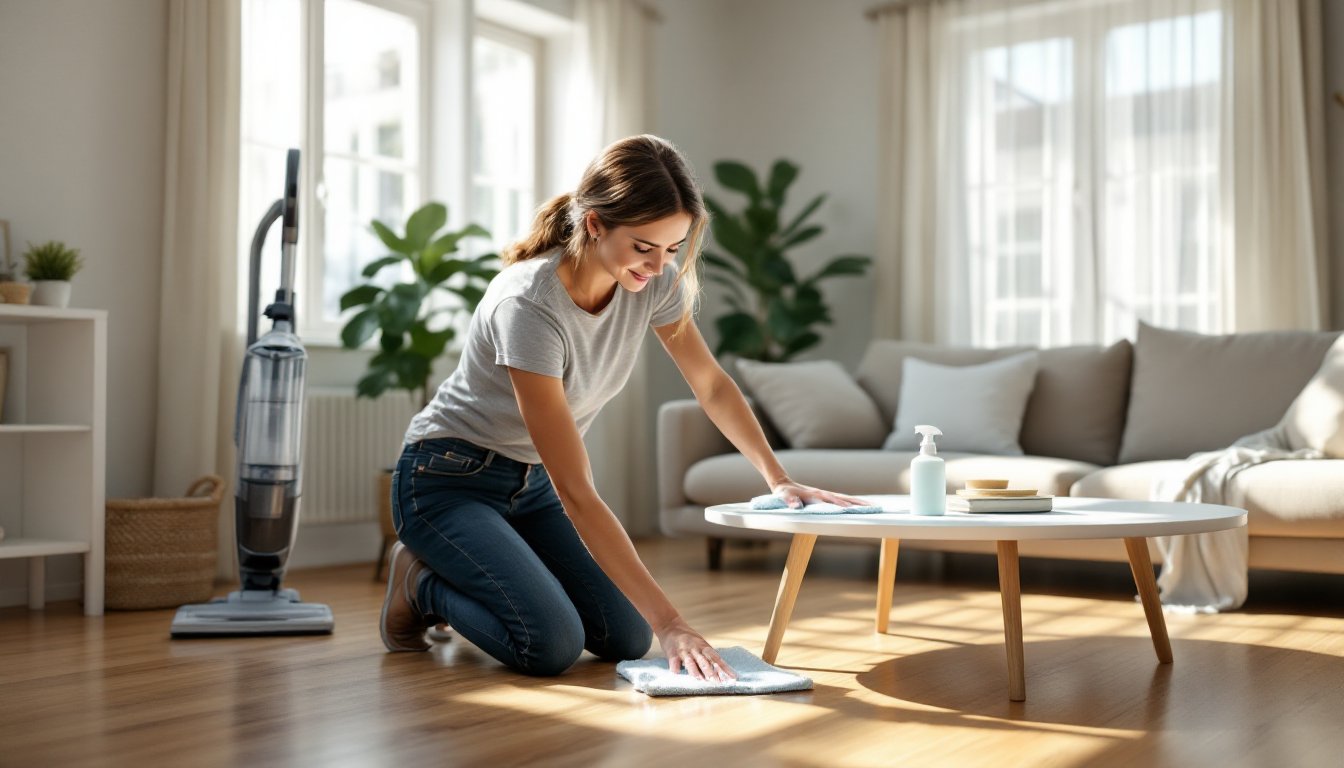
Regular cleaning is the maintenance work that keeps a home functional and presentable on a day-to-day or week-to-week basis. It’s the stuff most people do without thinking much about it, sweeping floors, wiping counters, vacuuming high-traffic areas, and cleaning bathrooms.
Typical regular cleaning tasks include:
• Vacuuming or sweeping floors and rugs
• Mopping hard floors in kitchens and bathrooms
• Wiping down kitchen counters, stovetops, and sinks
• Cleaning toilets, sinks, and mirrors in bathrooms
• Taking out trash and replacing liners
• Dusting visible surfaces like tables, shelves, and electronics
• Making beds and tidying living spaces
• Spot-cleaning spills as they happen
Regular cleaning addresses surface-level dirt and prevents clutter from piling up. It doesn’t involve moving furniture, scrubbing baseboards, or getting into the corners of cabinets. The goal is to keep the home sanitary and organized without spending hours on any single task.
Most homeowners handle regular cleaning weekly, though high-traffic homes with kids or pets might need certain tasks, like vacuuming or mopping, done more frequently. The key is consistency. When regular cleaning becomes routine, it prevents the kind of buildup that turns into a serious project later.
What Is Deep Cleaning?
Deep cleaning goes beyond the surface to address the dirt, grime, and allergens that accumulate in less visible areas over time. It’s the cleaning you do when you move furniture, pull out appliances, and scrub things you forgot existed.
Deep cleaning tasks typically include:
• Washing walls, baseboards, and door frames to remove scuff marks and dust
• Cleaning inside appliances, oven interiors, refrigerator coils, dishwasher filters, and washing machine drums
• Scrubbing grout lines in tile floors and showers
• Wiping down light fixtures, ceiling fans, and vents to remove dust buildup
• Vacuuming or washing curtains, blinds, and upholstery
• Moving furniture to vacuum or mop underneath
• Descaling faucets and showerheads to remove mineral deposits
• Cleaning inside cabinets and drawers, wiping down shelves
• Washing windows inside and out, including tracks and sills
• Dusting or vacuuming air vents and replacing HVAC filters
Deep cleaning isn’t something most people can knock out in an afternoon. Depending on the size of the home and how long it’s been since the last deep clean, it can take a full day or even a weekend. Some homeowners tackle one room at a time over several weeks to make it more manageable.
Unlike regular cleaning, which maintains order, deep cleaning resets the baseline. It improves indoor air quality, extends the life of appliances and finishes, and makes the home feel genuinely fresh.
Key Differences Between Deep Cleaning and Regular Cleaning
The difference comes down to scope, frequency, and effort. Regular cleaning is maintenance: deep cleaning is restoration.
Frequency: Regular cleaning happens weekly or even daily in some areas. Deep cleaning is typically done seasonally, most homes benefit from a full deep clean two to four times a year.
Time investment: A regular cleaning session for an average home might take one to three hours. A deep clean can take six to twelve hours or more, depending on the home’s size and condition.
Tools and products: Regular cleaning usually requires basic supplies, an all-purpose cleaner, microfiber cloths, a vacuum, and a mop. Deep cleaning often calls for specialized products like degreasers, descalers, grout brushes, and steam cleaners. You might also need a step ladder to reach high areas or a hand vac for tight spots.
Focus areas: Regular cleaning hits the obvious spots: floors, counters, bathrooms. Deep cleaning addresses neglected areas, behind the stove, inside the oven, under the bed, on top of cabinets.
Physical demand: Deep cleaning is more labor-intensive. Scrubbing grout, moving appliances, and washing walls all require more elbow grease than running a vacuum. If you’re not used to this kind of work, expect sore muscles the next day.
Both types of cleaning are necessary. Regular cleaning prevents chaos: deep cleaning prevents long-term grime and degradation.
When to Schedule Regular Cleaning vs Deep Cleaning
Regular cleaning should happen on a set schedule, weekly for most households, with some tasks (like wiping kitchen counters or doing dishes) done daily. High-traffic homes with kids, pets, or frequent guests may need to vacuum and mop more often, while single-occupant homes might stretch cleaning to every ten days.
Deep cleaning works best when tied to the calendar or specific events:
• Seasonal deep cleans: Many homeowners deep clean in spring and fall, aligning with seasonal transitions and yard work. Spring cleaning tackles winter dust and prepares the home for open windows and entertaining. Fall cleaning gets the home ready for the holiday season and addresses summer wear.
• Before or after major events: Hosting Thanksgiving? Deep clean the kitchen and guest bathroom beforehand. After a home renovation or construction project, a deep clean removes dust and debris.
• When moving in or out: Always deep clean before moving into a new home, even if it looks clean. You don’t know what’s lurking behind appliances or in the HVAC system. Similarly, deep clean before moving out to ensure you get your deposit back or leave the home in good condition for buyers.
• When you notice buildup: If you see grime in grout lines, dust bunnies under furniture, or a film on light fixtures, it’s time for a deep clean, don’t wait for the calendar.
Some homeowners prefer to deep clean one room per month rather than tackling the entire house at once. This approach spreads out the workload and ensures every area gets attention at least twice a year.
How to Create a Balanced Cleaning Schedule for Your Home
A balanced cleaning schedule combines regular maintenance with periodic deep cleaning, so nothing gets overwhelming.
Step 1: List your tasks. Write down everything that needs cleaning in your home, then categorize tasks as daily, weekly, monthly, or seasonal.
Step 2: Assign frequency. Daily tasks might include washing dishes, wiping counters, and quick floor sweeps. Weekly tasks cover vacuuming, mopping, bathroom cleaning, and laundry. Monthly tasks might include washing windows, dusting blinds, or cleaning out the fridge. Seasonal tasks are your deep cleaning items.
Step 3: Block time. Set aside a specific day or time each week for regular cleaning. For deep cleaning, choose one weekend per quarter or dedicate one room per month. Building small daily habits like making the bed and wiping down surfaces can reduce how often deep cleaning becomes urgent.
Step 4: Use a checklist. Whether it’s a printable chart, a notes app, or a whiteboard, a checklist keeps you accountable and ensures nothing gets skipped. It also makes it easier to delegate tasks if you have roommates or family members helping.
Step 5: Be realistic. If you work full-time and have kids, a weekly deep clean isn’t happening. Adjust your schedule to fit your life, not an ideal. Some people hire a cleaning service for quarterly deep cleans and handle regular maintenance themselves, that’s a valid approach if it fits the budget.
Consistency beats perfection. A home that gets regular light cleaning and occasional deep cleaning will always feel better than one that swings between spotless and chaotic.
DIY Deep Cleaning Tips and Tools Every Homeowner Should Know
Deep cleaning doesn’t require a truck full of gadgets, but a few key tools and techniques make the job faster and more effective.
Essential tools:
• Microfiber cloths: Better than paper towels for dusting and wiping. They trap dirt instead of spreading it.
• Grout brush or old toothbrush: For scrubbing tile grout, faucet crevices, and tight corners.
• Steam cleaner (optional but useful): Great for tile floors, grout, upholstery, and sealed hard surfaces. Cuts through grime without chemicals.
• Extension duster or vacuum attachment: For ceiling fans, vents, and high shelves.
• Degreaser and descaler: Commercial degreasers work well in kitchens: white vinegar or citric acid handles mineral buildup in bathrooms.
• Scraper or putty knife: For removing stuck-on residue from stovetops or counters. Use plastic scrapers on delicate surfaces.
Pro tips:
Start high, work low. Dust falls, so clean ceiling fans and light fixtures before you vacuum floors.
Let products dwell. Spray cleaner on a surface and let it sit for five to ten minutes before scrubbing. The chemicals do half the work for you.
Use the right cleaner for the material. Don’t use acidic cleaners (like vinegar) on natural stone countertops, it etches the surface. Check manufacturer recommendations if you’re unsure.
Don’t forget ventilation. Open windows when using heavy-duty cleaners or working in small spaces like bathrooms. Wear gloves when handling degreasers or bleach-based products.
Check your vacuum filter. A clogged filter reduces suction and spreads dust back into the air. Replace or clean it before a deep clean session.
For more home organization strategies and guidance on maintaining cleanliness between deep sessions, many homeowners find that integrating decluttering into their routine makes both regular and deep cleaning faster. Sites like The Spruce offer room-by-room guides that break down deep cleaning tasks by surface type and material.
Safety note: If you’re cleaning mold, lead paint, or asbestos-containing materials in older homes, stop and consult a professional. Some cleaning tasks cross into hazardous material territory and require specialized handling.
Conclusion
Regular cleaning keeps a home livable: deep cleaning keeps it healthy. Both have a place in a well-maintained home, and neither replaces the other. Build a routine that fits your schedule, invest in a few quality tools, and don’t let perfect be the enemy of good. A home that’s consistently maintained beats a spotless house that only happens twice a year.