
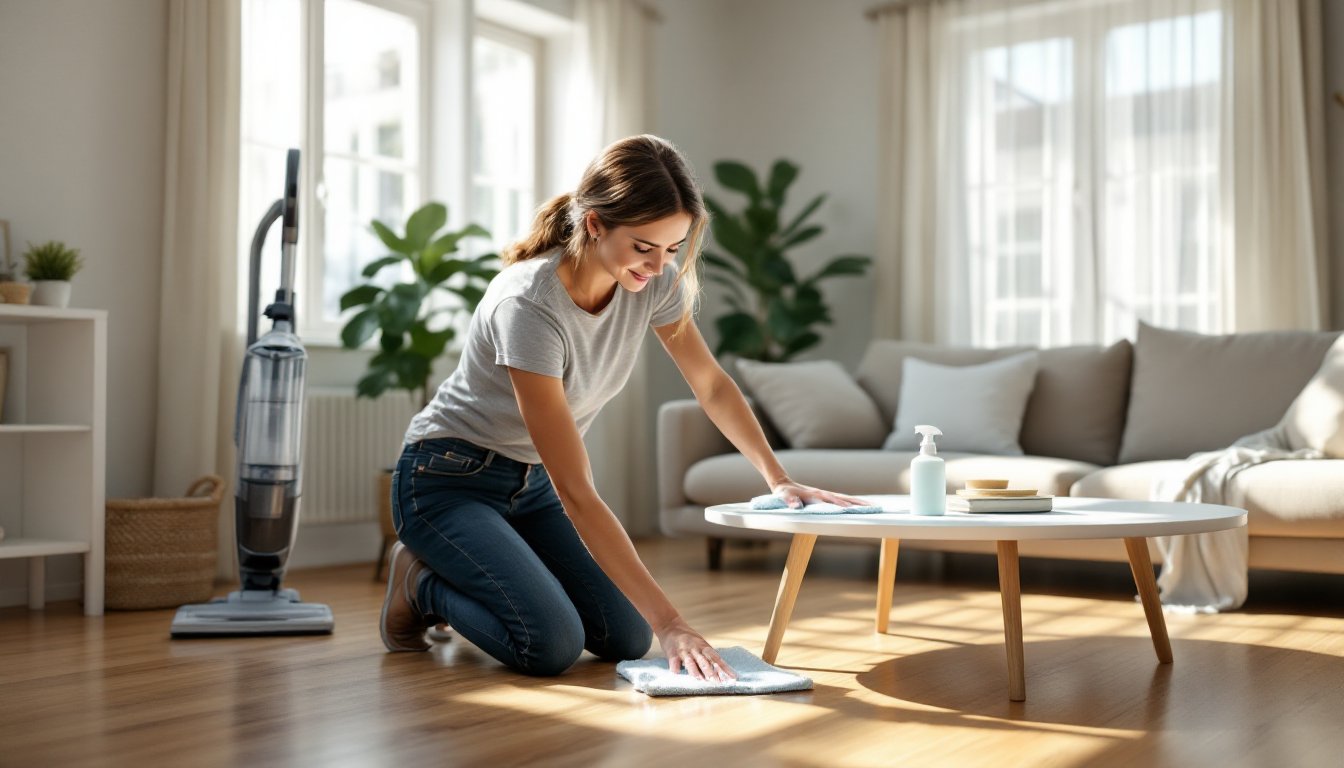
Most homeowners don’t have time for daily deep cleaning, and they don’t need to. A bi-weekly house cleaning schedule hits the sweet spot between maintaining a sanitary living space and avoiding burnout from constant housework. It’s a rhythm that keeps grime from building up without demanding hours of elbow grease every Saturday. This guide walks through exactly what bi-weekly cleaning involves, which tasks to prioritize, and whether to DIY or call in pros. No fluff, no vague motivational talk, just the practical breakdown needed to keep a home clean on a realistic schedule.
Table of Contents
ToggleKey Takeaways
- Bi-weekly house cleaning balances maintenance and manageability by targeting areas where grime accumulates over 14 days, making it ideal for couples, small families, and individuals who keep up with basic daily tidying.
- A structured bi-weekly cleaning schedule prevents bacteria and mold buildup, extends the life of home finishes, and creates predictable routines that eliminate the overwhelm of sporadic deep cleaning.
- Focus bi-weekly efforts on high-priority zones like kitchen appliances, bathroom disinfection, and hard floors; include detailed tasks such as degreasing stovetops, scrubbing grout, and vacuuming refrigerator coils to maximize results.
- A typical bi-weekly house cleaning takes 3–6 hours depending on home size; using a customized checklist prevents missed tasks and keeps cleaning sessions efficient and organized.
- Professional cleaning services cost $100–$250 per bi-weekly visit but save time and physical effort; consider hiring for specialty finishes or combine DIY weekly basics with professional bi-weekly deep cleaning for cost balance.
What Is Bi-Weekly House Cleaning and Is It Right for You?
Bi-weekly cleaning means tackling deeper household tasks every two weeks, not twice per week (that’s semi-weekly). This schedule sits between light weekly maintenance and monthly deep cleans, targeting areas that accumulate dirt, grease, and dust over 14 days.
It works best for households with moderate traffic: couples, small families, or individuals who keep up with basic daily tidying like dishes and countertop wipes. High-traffic homes with kids, pets, or multiple occupants might need weekly attention in kitchens and bathrooms, while bi-weekly cleaning handles the rest. Single occupants or those working long hours often find bi-weekly coverage sufficient across the board.
This approach isn’t right for everyone. Allergy sufferers may need weekly vacuuming and dusting to control particulates. Homes with pets that shed heavily require more frequent floor care. Conversely, vacation properties or rarely used spaces can stretch to monthly cleaning without issue. Assess traffic patterns, lifestyle, and tolerance for visible dirt before committing to any schedule.
The Benefits of Adopting a Bi-Weekly Cleaning Schedule
A bi-weekly cadence prevents the overwhelm that comes with letting cleaning slide for a month while avoiding the time drain of weekly deep scrubs. It keeps bacteria, mold, and allergen levels manageable, bathrooms don’t develop hard water stains that require harsh chemicals, and kitchen grease doesn’t bake onto surfaces.
From a maintenance standpoint, regular cleaning extends the life of finishes and fixtures. Grout that’s scrubbed every two weeks resists mildew better than grout cleaned sporadically. Hardwood floors maintain their finish when dust and grit are removed before they act as abrasives underfoot. Appliances like ovens and refrigerators run more efficiently when coils and seals stay clean.
Bi-weekly cleaning also creates predictability. Blocking off the same weekend every two weeks, say, the first and third Saturday, turns cleaning into a routine rather than a crisis response. It’s easier to budget time, gather supplies, and even coordinate with family members when everyone knows the schedule. Many professional cleaning services operate on this interval, so switching between DIY and hired help becomes seamless if needed.
Essential Tasks to Include in Your Bi-Weekly Cleaning Routine
A solid bi-weekly routine focuses on areas where grime accumulates fastest and hygiene matters most. These aren’t daily wipe-downs, they’re deliberate, thorough cleaning sessions that reset each space.
Kitchen and Bathroom Deep Cleaning
Kitchens demand attention to food contact surfaces and grease-prone zones. Start by cleaning the interior of the microwave with a vinegar-water solution (1:1 ratio) and wiping down all cabinet fronts, especially around handles where oils transfer from hands. Pull out the refrigerator to vacuum the condenser coils if accessible, dust buildup reduces efficiency by up to 25%.
Scrub the sink basin and faucet with a non-abrasive cleaner, then tackle the stovetop and backsplash with a degreaser. For gas ranges, remove grates and burner caps to soak in hot, soapy water while you wipe down the cooktop surface. Don’t skip the hood filter, grease accumulation is a fire hazard. Most mesh filters can run through the dishwasher on a hot cycle.
Bathrooms require disinfecting and descaling. Spray toilet bowls with a cleaner containing at least 0.5% sodium hypochlorite (bleach) or a comparable disinfectant, letting it sit for 10 minutes before scrubbing. Clean the exterior, seat, and base, urine salts accumulate where porcelain meets tile.
Scrub shower walls and tubs with a mild abrasive or acidic cleaner (like diluted vinegar) to remove soap scum and hard water deposits. For tile grout, a stiff brush and oxygenated bleach work better than chlorine bleach, which can degrade grout over time. Wipe down mirrors, faucets, and vanity surfaces. Empty and wipe out bathroom trash cans, they’re often overlooked.
Living Spaces and Bedrooms
Vacuum all floors, including under furniture you can easily move, chairs, side tables, and area rugs. Use the crevice tool along baseboards where dust settles. For homes with hardwood or tile, follow vacuuming with damp mopping using a cleaner suited to the floor type. Avoid oversaturating wood: excess water warps boards and damages finishes.
Dust ceiling fans, light fixtures, and vents. A microfiber cloth on an extension pole reaches fan blades without a ladder. Wipe down windowsills and frames, which collect condensation, pollen, and insect debris.
In bedrooms, strip and wash all bedding, sheets, pillowcases, and duvet covers. Mattress protectors should be washed monthly, so alternate between bi-weekly sessions if you’re on schedule. Vacuum mattresses to remove dust mites and skin cells. Dust nightstands, dressers, and any shelving.
Living rooms and common areas benefit from furniture care. Vacuum upholstery using the brush attachment, paying attention to crevices where crumbs and pet hair hide. Wipe down remote controls, light switches, and door handles with disinfectant wipes, these high-touch surfaces harbor bacteria. Clean glass tabletops and TV screens with a microfiber cloth and appropriate cleaner (never ammonia-based products on modern screens).
Creating Your Custom Bi-Weekly Cleaning Checklist
A checklist prevents missed tasks and keeps sessions efficient. Start by listing every room, then break down tasks by surface type and frequency. Distinguishing between bi-weekly, weekly, and monthly tasks helps prioritize effort.
Sample checklist format:
- Kitchen: Clean microwave interior, degrease stovetop and backsplash, scrub sink, wipe cabinet fronts, vacuum refrigerator coils, mop floor
- Bathrooms: Disinfect toilets, scrub tub/shower and grout, clean mirrors and vanities, empty trash cans, mop floors
- Bedrooms: Change bedding, vacuum floors and mattress, dust furniture and ceiling fans
- Living areas: Vacuum carpets/rugs and upholstery, mop hard floors, dust surfaces and electronics, wipe high-touch points
- Laundry/utility: Wipe down washer/dryer exteriors, clean lint trap housing, sweep/mop floors
Add time estimates next to each task based on your home’s size. A 1,500-square-foot, three-bedroom house typically requires 3–4 hours for a full bi-weekly clean with one person working. Larger homes or those with multiple bathrooms may push that to 5–6 hours.
Adjust the checklist seasonally. Spring and fall might add tasks like washing windows or wiping down baseboards, while winter could include checking and cleaning humidifiers. Print the checklist or use a simple app, crossing off tasks provides tangible progress and prevents backtracking.
DIY Bi-Weekly Cleaning vs. Hiring Professional Services
Doing it yourself saves money but demands time and physical effort. Most homeowners spend $50–$100 per session on cleaning supplies over a year, multi-surface cleaners, disinfectants, microfiber cloths, vacuum bags or filters, and mop heads. Equipment costs vary: a quality upright vacuum runs $150–$400, and a steam mop adds another $80–$150. Supplies like gloves, sponges, and brushes need regular replacement.
DIY cleaning offers control over products and methods, which matters for households avoiding harsh chemicals or managing allergies. It also allows flexibility, cleaning can happen Saturday morning or split across evenings. The downside is the labor. Scrubbing grout, moving furniture, and hauling a vacuum up stairs is physically taxing, especially after a long work week.
Professional services charge $100–$250 per bi-weekly visit for a typical home, depending on region, square footage, and service depth. Crews bring their own supplies and equipment, often finishing in 2–3 hours what takes a homeowner twice as long. They’re trained on proper product use and efficient techniques, professional-grade tools like backpack vacuums and commercial-strength cleaners deliver results faster.
Hiring out makes sense for time-strapped professionals, families with young children, or anyone with mobility limitations. It’s also worth considering for homes with complex finishes, natural stone countertops, specialty flooring, or high ceilings, where improper cleaning damages expensive materials. Many services offer customizable schedules that combine bi-weekly basics with occasional deep tasks like oven cleaning or window washing.
A hybrid approach works for some: handle light weekly tasks like vacuuming and bathroom wipes, then bring in pros bi-weekly for deeper work. This reduces costs while maintaining consistency. Before hiring, verify insurance and bonding, ask about product ingredients if you have sensitivities, and confirm whether the service brings supplies or expects you to provide them. Get clear on what’s included, some companies exclude tasks like interior windows, inside ovens, or laundering linens.