
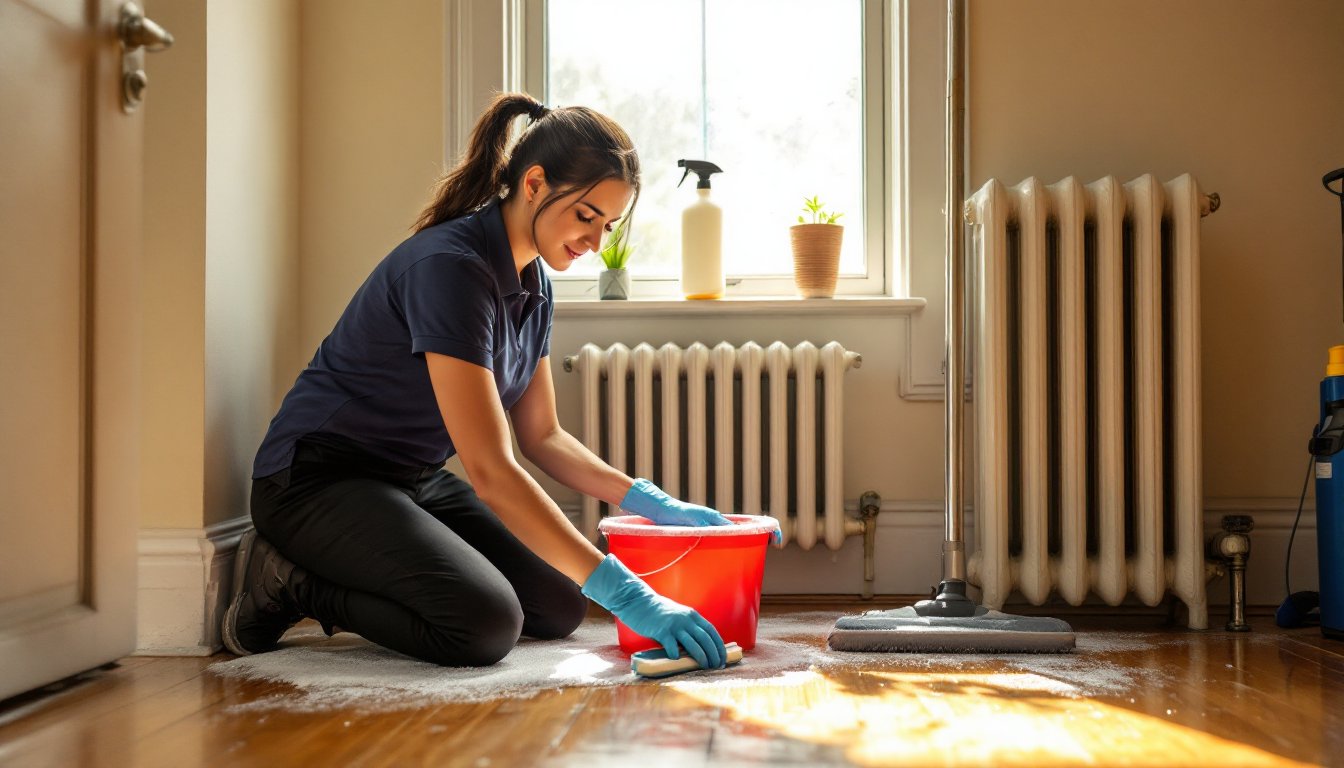
Boston homes face unique cleaning challenges that go beyond standard housekeeping. Old radiators collect dust, triple-deckers trap allergens across multiple floors, and the city’s coastal humidity creates bathroom mildew faster than in drier climates. Whether someone owns a Back Bay brownstone or rents in Jamaica Plain, understanding how Boston’s architecture and weather patterns affect dirt accumulation makes the difference between surface cleaning and actually maintaining a home. This guide breaks down effective strategies tailored to the city’s specific conditions.
Table of Contents
ToggleKey Takeaways
- Boston house cleaning requires specialized strategies that address old architectural features like cast-iron radiators, hardwood floor gaps, and salt air corrosion unique to the city’s climate and housing stock.
- Spring and summer demand active mold prevention through dehumidifiers, regular ventilation, squeegee use after showers, and quarterly vent cover cleaning to combat coastal humidity and pollen accumulation.
- Essential Boston house cleaning supplies include a HEPA-filter vacuum, white vinegar, microfiber cloths, and a radiator brush—avoiding heavy fragrances that irritate respiratory systems in older homes with limited ventilation.
- Winter preparation should prioritize absorbent entry mats, daily salt residue spot-cleaning, and weekly window condensation management to prevent damage to hardwood floors and tiles from road salt tracked indoors.
- Hire professional services for duct cleaning (if 5+ years overdue), deep carpet cleaning, multi-story window washing, and mold remediation exceeding 10 square feet, while handling routine maintenance yourself to balance cost and effectiveness.
Why Boston Homes Need Special Cleaning Attention
Boston’s housing stock skews older than most American cities. Many homes date from the 1800s or early 1900s, featuring cast-iron radiators, plaster walls, hardwood floors with gaps, and single-pane windows. These architectural elements collect and distribute dust differently than modern construction.
The city’s four-season climate adds another layer. Winter brings road salt tracked indoors on boots, creating gritty residue that scratches floors if not cleaned promptly. Spring pollen counts spike dramatically, particularly from oak, birch, and maple trees common throughout the metro area, coating windowsills and triggering respiratory issues. Summer humidity, often above 70%, encourages mold growth in basements and bathrooms without proper ventilation. Fall leaf debris clogs gutters and gets dragged inside.
Proximity to the harbor means salt air accelerates corrosion on metal fixtures and leaves a film on windows. Homes near busy streets like Mass Ave or Comm Ave deal with elevated particulate matter from traffic. Triple-decker apartments, a Boston staple, require coordinated cleaning between floors to prevent dust and odors from migrating through shared wall cavities and ductwork. Most cleaning techniques developed for suburban ranch homes don’t address these specific conditions.
Room-by-Room Cleaning Strategy for Boston Homes
Different rooms accumulate different types of dirt based on use patterns and building characteristics. A systematic approach prevents overlooking problem areas.
Tackling Kitchen Grime and Bathroom Buildup
Boston kitchens in older buildings often have limited ventilation, causing grease to settle on cabinet faces and ceiling corners. Start by removing everything from countertops. Mix ¼ cup white vinegar with 2 cups warm water in a spray bottle for general degreasing, it cuts through oil without harsh fumes in tight spaces.
For stubborn stovetop residue, sprinkle baking soda directly on cooled burners, spray with the vinegar solution, and let it fizz for 5 minutes before scrubbing with a non-scratch scouring pad. Check behind the refrigerator, older homes lack dedicated appliance spaces, so pulling it out reveals decades of accumulated dust that restricts airflow and increases energy costs.
Bathrooms require mold prevention, not just mold removal. The key cleaning tactics mentioned in Real Simple emphasize ventilation and regular surface treatment. After every shower, squeegee tile walls to remove standing water. For grout that’s already discolored, apply oxygen bleach (not chlorine bleach, which damages grout over time) and scrub with a stiff nylon brush. If the bathroom has an exterior wall, common in older construction, check for condensation between storm windows and interior sashes during winter. Wipe this moisture weekly to prevent mold.
Run the exhaust fan during showers and for 20 minutes after. If the home lacks bathroom ventilation (not uncommon in pre-1950 buildings), crack a window even in winter or consider installing a low-profile exhaust fan rated at 50-80 CFM for typical bathroom sizes.
Managing Dust and Allergens in Living Spaces
Hardwood floors with gaps between boards act as dust reservoirs. Vacuuming alone won’t extract particles settled below the surface. Use a vacuum with a HEPA filter first, then damp-mop with a microfiber pad wrung nearly dry, excess water can seep into gaps and damage subflooring.
Radiator heating distributes dust through convection currents. Before heating season starts, vacuum radiator fins with a crevice tool attachment, then wipe accessible surfaces with a damp cloth. For cast-iron radiators with decorative details, a radiator brush (a long, thin brush designed to reach between fins) makes the job easier.
Curtains and upholstery absorb street dust in urban settings. Vacuum fabric surfaces monthly using the upholstery attachment. For washable curtains, launder them twice yearly, once after pollen season ends in June, once after heating season begins in November.
Don’t overlook HVAC registers. Pop off vent covers quarterly and wash them in warm, soapy water. Wipe the first few inches of ductwork you can reach. If the home has forced-air heating, replace furnace filters every 30-90 days depending on filter type (check the MERV rating, higher numbers trap smaller particles but restrict airflow more, so verify compatibility with the system).
Essential Cleaning Supplies Every Boston Homeowner Should Own
Skip the marketing gimmicks. Effective home cleaning requires about a dozen versatile products, not specialized formulas for every surface.
Basic supplies:
- White vinegar (gallon jug): Degreaser, deodorizer, mild disinfectant
- Baking soda (multiple boxes): Abrasive cleaner, odor absorber
- Oxygen bleach powder: Grout, tile, mold treatment without harsh fumes
- Liquid dish soap (unscented): General-purpose cleaner for most surfaces
- Microfiber cloths (at least 12): Reusable, lint-free, more effective than paper towels
- Spray bottles (3-4): For homemade cleaning solutions
- HEPA-filter vacuum: Critical for old homes with dust issues
- Squeegee: Bathroom tiles, windows
- Stiff nylon brushes (various sizes): Grout, baseboards, textured surfaces
- Mop with washable microfiber pads: Hardwood-safe when wrung dry
- Rubber gloves: Protect hands, improve grip on wet surfaces
- Bucket (5-gallon): Mixing solutions, soaking brushes
For Boston-specific challenges, add:
- Dehumidifier (30-50 pint capacity): Basements and bathrooms in humid months
- HEPA air purifier: Bedrooms during high pollen season
- Radiator brush: Cleaning cast-iron heating elements
- Floor mats (interior and exterior): Trap road salt and grit before it spreads
Avoid heavily scented products in older homes with limited ventilation, they don’t clean better, and fragrances can trigger headaches or respiratory irritation. The comprehensive reviews published by Good Housekeeping test product effectiveness across various conditions. If someone prefers ready-made cleaners, choose concentrated formulas that dilute with water to reduce plastic waste and cost per use.
Seasonal Cleaning Tips for Boston’s Climate
Boston’s dramatic seasonal shifts demand different cleaning priorities throughout the year.
Spring (April-May): After heating season ends, vacuum and wipe down all radiators and baseboards. Pollen settles on horizontal surfaces daily, wipe windowsills, ceiling fan blades, and mantels at least twice weekly during peak pollen weeks (typically late April through mid-May). Wash windows inside and out once the risk of freezing rain passes. This is the ideal time to shampoo carpets or hire professional duct cleaning if the home has forced-air systems.
Summer (June-August): High humidity requires vigilance against mold. Run dehumidifiers in basements to keep relative humidity below 50%. Clean air conditioner filters monthly if running daily. Check behind furniture against exterior walls for condensation or musty odors. Window AC units should be removed and cleaned before reinstallation each season, mold grows in drip pans over winter if units aren’t stored properly.
Fall (September-November): Before heating season, test smoke detectors and carbon monoxide alarms, heating equipment failures cause most winter CO incidents. Clean gutters after leaves drop but before freezing weather makes ladder work dangerous. Vacuum refrigerator coils (usually behind or beneath the unit) to improve efficiency heading into months of heavy use. The seasonal home guides at The Spruce cover maintenance tasks that prevent bigger issues.
Winter (December-March): Place absorbent mats at every entrance, road salt is corrosive and abrasive. Sweep or vacuum entryways daily during snowy periods. Keep a spray bottle of diluted vinegar near doors to spot-clean salt residue on hardwood or tile before it etches the finish. Wipe down interior window condensation weekly to prevent mold on sills and frames. If ice dams form, address the attic insulation issue causing them, no amount of cleaning fixes poor building envelope performance.
DIY Deep Cleaning vs. Hiring Professional Services
Most routine cleaning falls well within DIY capability, but certain tasks justify professional help.
Good DIY candidates:
- Weekly surface cleaning (counters, floors, bathrooms)
- Window washing (single or double-hung windows on lower floors)
- Carpet spot treatment and regular vacuuming
- Grout scrubbing and tile maintenance
- Radiator and baseboard cleaning
- Refrigerator coil cleaning
When to hire professionals:
-
Duct cleaning: If the home has forced-air heating/cooling and ducts haven’t been cleaned in 5+ years, professionals have equipment (rotary brushes, negative air machines) that DIY methods can’t replicate. Expect to pay $400-800 for a typical single-family home, more for multi-unit buildings.
-
Carpet deep cleaning: Consumer-grade steam cleaners lack the suction power of truck-mounted systems. Professional cleaning every 12-18 months extends carpet life significantly. Cost typically runs $0.25-0.50 per square foot.
-
Exterior window washing: For multi-story homes or buildings with storm windows requiring ladder work, the safety risk outweighs cost savings. Professional window cleaners carry liability insurance and proper fall protection equipment.
-
Mold remediation: If mold covers more than 10 square feet or appears after flooding, DIY cleaning can spread spores. Professionals contain work areas with negative air pressure and use antimicrobial treatments beyond consumer products.
-
Post-renovation cleaning: Construction dust is fine and pervasive. After major work (kitchen remodels, floor refinishing), a professional cleaning team with commercial vacuums and dust extraction prevents months of residual dust.
For move-in/move-out situations, professional cleaners typically charge $200-400 for a standard 2-3 bedroom apartment in Boston, depending on condition and included services. The investment makes sense when competing with other tasks during a move.
Be realistic about time. Deep cleaning a typical Boston triple-decker apartment (1,200-1,500 square feet per unit) takes 6-8 hours with two people working steadily. If that time could earn more than professional cleaners charge, or if physical limitations make certain tasks difficult, hiring help isn’t an indulgence, it’s practical resource allocation.