Atlanta homeowners face unique cleaning challenges that go beyond typical household maintenance. Between the red clay dust that clings to everything, high humidity that breeds mold, and pollen levels that coat surfaces like snowfall, keeping an Atlanta home truly clean requires a strategic approach. This guide cuts through the fluff and delivers practical room-by-room cleaning tactics, climate-specific strategies, and time-saving hacks tailored specifically to Atlanta homes. Whether you’re tackling a weekend deep clean or establishing a maintenance routine, these methods will help you combat the dirt and allergens that Georgia’s climate throws your way.
Table of Contents
ToggleKey Takeaways
- Atlanta house cleaning requires climate-specific strategies to combat high humidity, red clay dust, and pollen levels that exceed national averages.
- Replace HVAC filters every 60 days during pollen season (March–May and September–November) and clean vents monthly to reduce allergen buildup.
- Use a baking soda and hydrogen peroxide paste for grout and a diluted bleach solution for mold in bathrooms, where humidity accelerates growth.
- Damp-mop hardwood floors weekly with a microfiber mop to prevent warping, and avoid oil-based cleaners that attract clay dust.
- Implement daily 10-minute resets like wiping counters and quick floor sweeps to prevent Atlanta clay dust from settling into finishes.
- Clean refrigerator coils every six months and schedule furnace maintenance before winter to reduce energy costs and prevent dust circulation.
Why Atlanta Homes Need Special Cleaning Attention
Atlanta’s climate isn’t just uncomfortable, it’s actively working against your cleaning efforts. High humidity (averaging 65–75% year-round) creates ideal conditions for mold, mildew, and dust mites. Bathrooms and basements are especially vulnerable, requiring more frequent attention than in drier climates.
Red clay soil is Georgia’s calling card, and it tracks into homes on shoes, pet paws, and through window screens. Unlike regular dirt, clay contains iron oxide that stains grout, carpet, and unsealed concrete. Once it dries, it becomes fine dust that settles on every horizontal surface.
Pollen counts in Atlanta rank among the highest in the nation, peaking in spring (tree pollen) and fall (ragweed). The Asthma and Allergy Foundation consistently rates Atlanta in the top five most challenging cities for allergy sufferers. This means window sills, HVAC filters, and entry points need aggressive, regular cleaning to prevent allergen buildup indoors.
Older homes, and Atlanta has plenty built before 1980, often lack modern HVAC filtration and weatherstripping, allowing more outdoor contaminants inside. Newer construction in sprawling subdivisions means homes sit closer to construction sites, adding concrete dust and debris to the mix. Both scenarios demand more frequent dusting, vacuuming, and filter changes than the national average.
Room-by-Room House Cleaning Checklist for Atlanta Homeowners
Kitchen and Bathroom Deep Cleaning
Start with the kitchen exhaust fan and range hood. Atlanta’s humidity means grease doesn’t just sit, it traps moisture and dust, creating a sticky film. Remove the filter (most snap out), soak it in hot water with degreasing dish soap for 15 minutes, then scrub with a stiff brush. Replace or clean filters monthly if you cook daily.
Grout cleaning is non-negotiable in Georgia bathrooms. Mix a paste of baking soda and hydrogen peroxide (3:1 ratio), apply with an old toothbrush, let it sit for 10 minutes, then scrub. For stubborn mold in tile joints, use a diluted bleach solution (1 part bleach to 10 parts water) with proper ventilation, crack a window and run the exhaust fan. Wear nitrile gloves and eye protection: bleach splatter burns.
Don’t ignore under-sink cabinets. Atlanta’s humidity accelerates pipe condensation, leading to mildew on cabinet floors. Pull everything out quarterly, wipe down with a vinegar solution (1:1 with water), and check for leaks. A small drip can turn into a mold problem fast in this climate.
Clean refrigerator coils every six months. Dust buildup forces the compressor to work harder in hot, humid weather, shortening appliance life. Unplug the unit, locate coils (usually behind a kick plate at the bottom or on the back), and vacuum with a brush attachment. This simple task can cut energy costs by 5–10%.
Living Areas and Bedrooms
HVAC vents and returns collect more than dust in Atlanta, they trap pollen, pet dander, and clay particles. Remove vent covers monthly, wash them in the sink with dish soap, and vacuum the ductwork opening as far as your vacuum hose reaches. Replace MERV 11 or higher filters every 60 days during pollen season (March–May, September–November), not the standard 90-day interval.
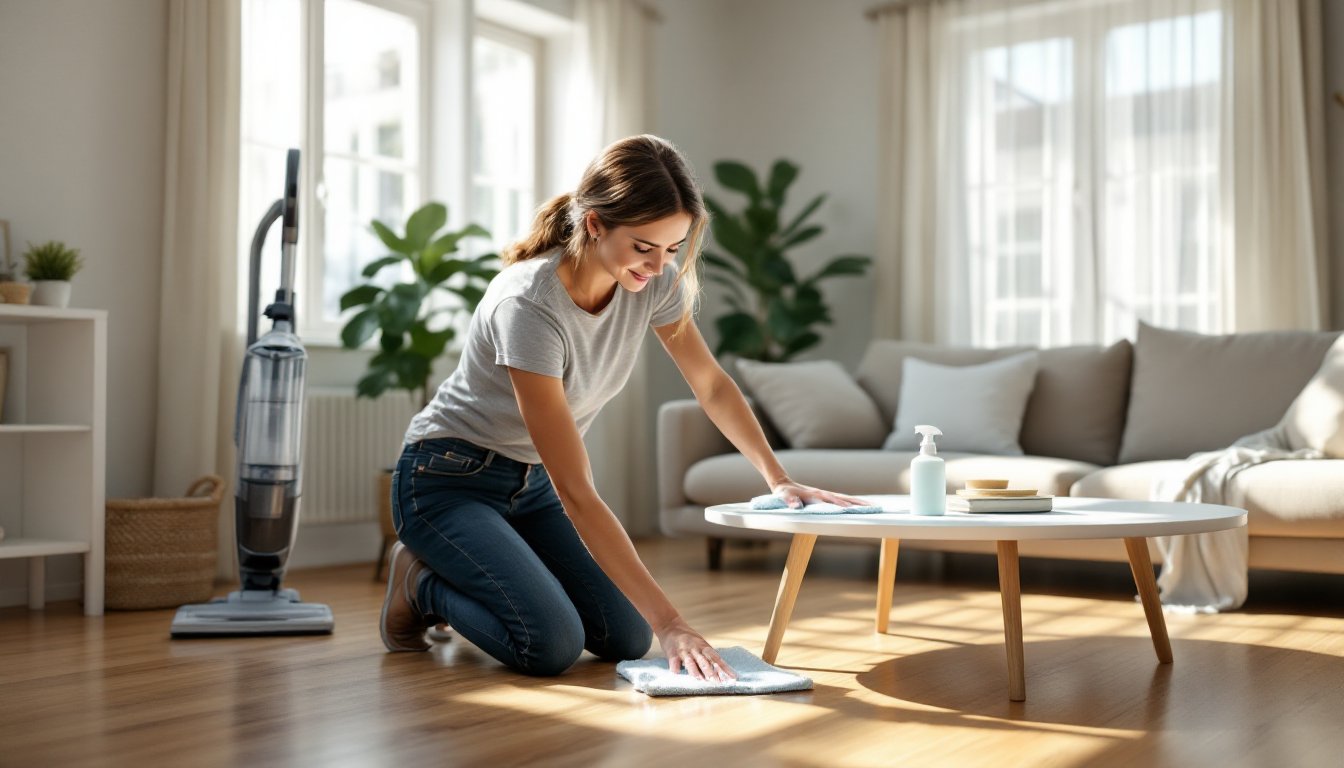
For hardwood and laminate floors, damp-mop weekly with a microfiber mop. Atlanta’s humidity can warp floors if you use too much water, the mop should be damp, not dripping. Avoid oil-based cleaners that leave residue: they attract more clay dust.
Upholstered furniture harbors dust mites in humid climates. Vacuum with an upholstery attachment weekly, and steam-clean annually. A handheld garment steamer works for spot treatment between deep cleans. Let cushions dry completely before reassembling to prevent mildew, point a box fan at them for faster drying.
Window tracks and sills turn into pollen collection troughs in Atlanta. Use a vacuum crevice tool first to remove loose debris, then scrub tracks with an old toothbrush dipped in all-purpose cleaner. Wipe sills with a damp microfiber cloth weekly during peak pollen season. Professionals often recommend top-rated house cleaning services in Atlanta for homes struggling with persistent allergen issues.
Ceiling fans need attention every month. Dust buildup on blades becomes airborne when the fan runs, redistributing allergens you just cleaned. Slide an old pillowcase over each blade, then pull back, dust falls into the pillowcase instead of onto furniture below.
Seasonal Cleaning Tips for Atlanta’s Climate
Spring (March–May): Pollen season hits hard. Pressure-wash siding, decks, and walkways to remove the yellow-green film. Use a 25-degree nozzle at 1,500–2,000 PSI for vinyl siding (higher pressure can force water behind siding). Rinse outdoor furniture and cushions: let them dry fully in the sun to prevent mildew.
Replace all HVAC filters at the start of spring, even if they’re not at the recommended change interval. Check the exterior condenser unit, pull any debris from the fins with gloved hands, then rinse gently with a garden hose (not a pressure washer, which can bend fins).
Summer (June–August): High humidity fuels mold growth. Run dehumidifiers in basements and crawl spaces, targeting 30–50% relative humidity. Empty collection buckets daily or route drainage to a sump pump. Inspect window AC units for mold around seals: clean with a vinegar solution.
Clean gutters and downspouts before summer storms. Atlanta’s afternoon thunderstorms dump water fast, clogged gutters overflow onto siding and foundations, creating moisture problems inside. Wear work gloves: decomposing leaves can harbor sharp debris.
Fall (September–November): Ragweed pollen arrives. Deep-clean carpets with a rented hot water extractor (available at home centers for $30–40/day). These machines pull more allergens from carpet backing than standard vacuums. Let carpet dry 6–8 hours with fans running and windows open.
Service the furnace before first use. Change filters, vacuum around the blower compartment, and test the ignition. A neglected furnace kicks up months of accumulated dust on startup.
Winter (December–February): Atlanta’s mild winters still see occasional freezing. Check weatherstripping around doors and windows. Cold air leaks pull warm indoor air out, causing condensation on cold surfaces, a mold trigger. Replace worn foam or V-strip weatherstripping: it’s a 15-minute job per door.
Clean dryer vents thoroughly. Lint buildup plus increased indoor drying (humidity from wet clothes) creates fire risk. Disconnect the vent duct, clean with a dryer vent brush kit, and vacuum the exterior vent hood. This task prevents roughly 4,000 home fires annually nationwide according to appliance safety data.
DIY Cleaning Solutions vs. Store-Bought Products
DIY all-purpose cleaner works for most Atlanta homes: 1 cup white vinegar, 1 cup water, 10 drops tea tree oil (natural antifungal). Mix in a spray bottle. Use on counters, sinks, and tile, skip natural stone like marble or granite (vinegar etches the surface). Cost: about $0.30 per batch vs. $3–5 for commercial cleaners.
Baking soda paste (baking soda plus just enough water to form a paste) tackles soap scum and grout without scratching. Apply, let sit 10 minutes, scrub, rinse. It won’t disinfect, but it removes buildup effectively. For disinfection in bathrooms, follow up with hydrogen peroxide spray (let sit 5 minutes, then wipe).
Store-bought advantages: Commercial disinfectants with quaternary ammonium compounds or bleach kill mold spores and bacteria that DIY solutions can’t. In Atlanta’s mold-prone bathrooms, that matters. Look for EPA-registered disinfectants when dealing with visible mold. Tested product recommendations from household cleaning experts often highlight formulations that balance effectiveness and safety.
Enzymatic cleaners outperform DIY solutions for pet accidents. Enzymes break down urine proteins that cause odors, baking soda just masks smells. Worth the $10–15 investment if you have pets.
When to skip DIY: Hardwood floor cleaners. Commercial pH-balanced products protect finishes better than vinegar-water mixes, which can dull polyurethane over time. Also skip homemade oven cleaners, commercial formulations with sodium hydroxide work faster and safer (even though harsh ingredients, they’re designed for the application: DIY lye solutions are harder to control).
Safety note: Never mix vinegar and bleach (produces toxic chlorine gas), or ammonia and bleach (same hazard). Store DIY solutions in labeled bottles, out of reach of kids and pets.
Time-Saving Cleaning Hacks for Busy Atlanta Households
Daily 10-minute reset: Wipe kitchen counters, load dishwasher, and do a quick sweep of high-traffic areas. Prevents Atlanta clay dust from grinding into floor finishes. Keep a microfiber cloth and spray bottle in each bathroom for after-shower wipe-downs, stops mildew before it starts.
Roomba or robot vacuum: Runs while you’re at work, handling daily dust and pollen. Models with HEPA filters (necessary for Atlanta allergen loads) start around $250. Empty the bin daily during pollen season or it loses suction fast.
Two-bucket mopping system: One bucket with cleaning solution, one with rinse water. Prevents spreading dirty water across floors, critical when dealing with clay dust. Microfiber mop heads are machine-washable: toss them in the laundry weekly.
Shower spray: After every shower, spray tile and glass doors with a daily shower cleaner (or DIY: 1 part vinegar to 1 part water with a drop of dish soap). No scrubbing required, just spray and walk away. Cuts deep-cleaning frequency from weekly to monthly.
Laundry hamper in every room: Reduces clutter and makes laundry runs more efficient. Atlanta’s humidity means damp towels and gym clothes can mildew in 24 hours, immediate hamper placement prevents that.
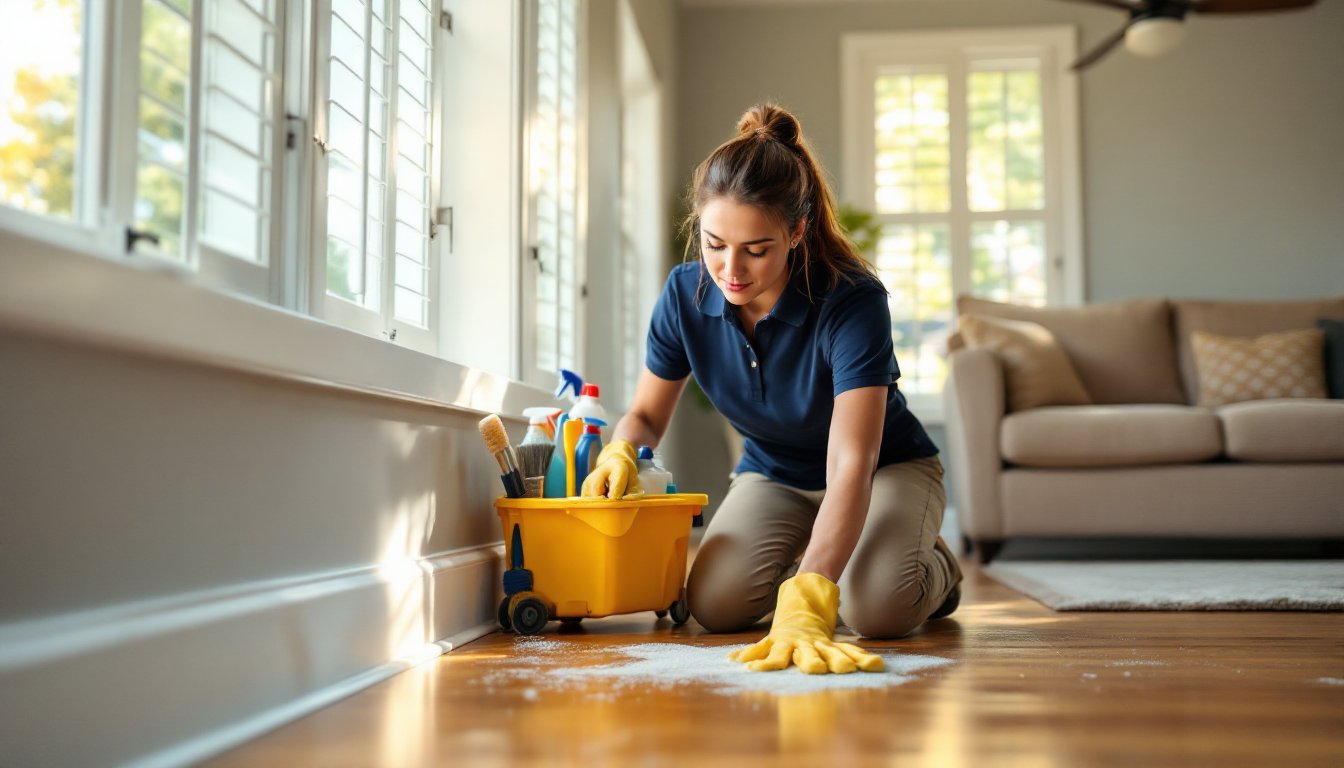
Cleaning caddy: Stock one with your most-used supplies (all-purpose cleaner, glass cleaner, microfiber cloths, scrub brush, gloves). Carry it room to room instead of making multiple trips to fetch products. Saves 15–20 minutes per cleaning session.
Prioritize high-touch surfaces: Door handles, light switches, remote controls, and faucet handles. Hit these with disinfectant wipes twice weekly, takes five minutes and reduces household illness spread.
Batch tasks by tool: Vacuum the whole house in one session rather than room by room on different days. Same with dusting. Reduces setup time and ensures even coverage.
Atlanta homes demand more frequent cleaning than national averages, but smart routines and climate-specific tactics keep maintenance manageable. Focus on moisture control, allergen removal, and regular HVAC attention, the three pillars of a clean Atlanta home.