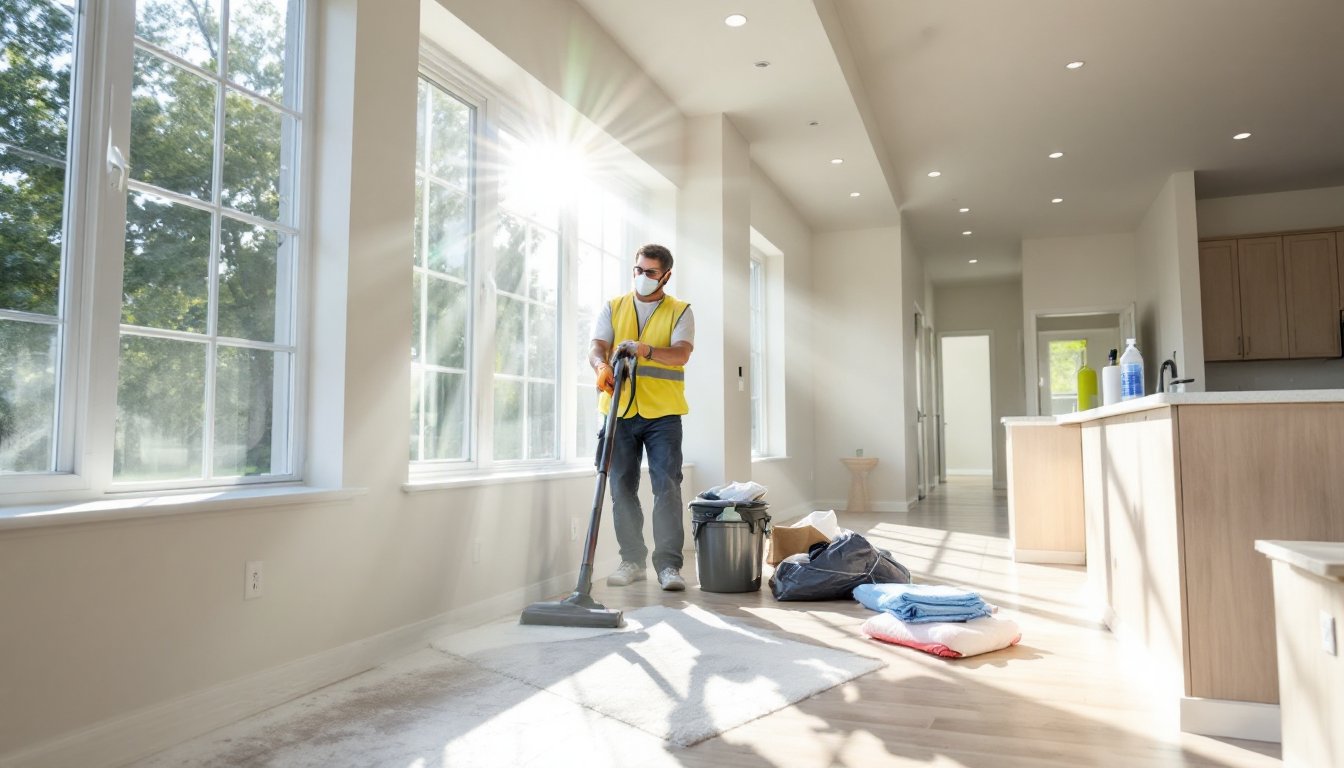
Walking into a brand-new home feels like stepping into possibility, until the sunlight hits those windows and reveals a layer of construction dust on every surface. New construction cleaning isn’t just about making things sparkle: it’s about removing drywall dust, adhesive residue, protective film, and jobsite debris that accumulates during the build. This isn’t the same as a deep clean of a lived-in house. The materials are different, the mess is different, and the approach needs to be different. Whether the homeowner plans to tackle it themselves or hire a crew, understanding the scope of post-construction cleaning helps set realistic expectations and ensures the home is truly move-in ready.
Table of Contents
ToggleKey Takeaways
- New construction house cleaning requires a specialized approach because construction dust, drywall residue, and adhesive differ from regular household dirt and demand dry removal before wet cleaning.
- Schedule post-construction cleaning after all trades complete but before move-in, ideally with a rough clean after drywall work and a detail clean after all fixtures and flooring are installed.
- Essential equipment includes a HEPA-filter shop vacuum, microfiber cloths, grout haze removers, and safety gear like N95 masks, as drywall dust is electrostatically charged and poses respiratory risks.
- Use a systematic top-to-bottom, room-by-room approach starting with debris removal, then vacuuming ceilings and walls, dry-dusting surfaces, and cleaning floors last to prevent re-contamination.
- Professional post-construction cleaners typically cost $400–$1,000 for a 2,000-square-foot home but offer expertise with specialty finishes, liability insurance, and commercial equipment that DIY methods may lack.
- Handle protective films, paint overspray, and specialty finishes carefully using appropriate tools like single-edge razor scrapers for glass and material-specific cleaners to avoid damaging new surfaces.
Why New Construction Cleaning Is Different from Regular Cleaning
Construction sites generate an astonishing volume of fine particulate matter. Drywall dust, in particular, is insidious, it’s talc-fine, electrostatically charged, and settles into every crevice, outlet cover, window track, and HVAC register. Unlike everyday household dirt, construction debris includes sawdust, joint compound residue, grout haze, paint overspray, caulk smears, and adhesive from protective films on appliances and fixtures.
Standard household cleaners often aren’t formulated for these materials. Drywall dust turns into a gummy paste when wet, so it requires dry removal first. Grout haze needs an acidic cleaner, not an all-purpose spray. Paint overspray on windows demands a razor scraper, and caulk smears require solvents or careful scraping to avoid scratching finishes.
There’s also the sheer volume. A typical post-construction clean involves multiple passes: rough clean (removing large debris and heavy dust), detail clean (windows, fixtures, surfaces), and final touch-up. This phased approach is critical because disturbing dust in one area (say, removing outlet covers) will re-contaminate adjacent spaces. Many cleaning professionals recommend working top-to-bottom and room-by-room to contain the mess.
Another key difference: new construction often involves materials that need gentle handling during their first cleaning. Luxury vinyl plank (LVP) flooring, for instance, can be dulled by abrasive scrubbing. New granite or quartz countertops may still have fabrication dust in seams. Hardwood floors might have a curing finish that shouldn’t be exposed to harsh chemicals for the first 30 days. The homeowner should confirm material-specific care instructions with the builder or subcontractors before starting.
When to Schedule Your Post-Construction Cleaning
Timing matters. Ideally, post-construction cleaning happens after all trades have completed their work but before final walkthrough and move-in. Rushing in too early means the cleaning crew (or homeowner) will just have to redo surfaces after the HVAC techs, electricians, or punch-list contractors finish up.
A realistic timeline includes a rough clean once drywall is finished, taped, and sanded but before cabinets and flooring go in. This removes the bulk of drywall dust and makes the space safer for finish carpenters and installers. The detail clean comes after all fixtures, appliances, and flooring are installed, but before furniture arrives. This is when windows get scraped, hardware gets polished, and every surface is wiped down.
Some builders include a basic post-construction clean as part of the contract, but “basic” often means a quick vacuum and wipe-down, not the thorough detail work needed to make a home truly livable. Homeowners should clarify what’s included and plan for additional cleaning time or professional help if the builder’s scope is minimal.
Weather also plays a role. If the home is in a region with high humidity, moisture can cause drywall dust to clump or even promote mold growth if left sitting. In dry climates, dust becomes more airborne and spreads further, requiring HEPA-filter vacuuming and multiple passes to capture. Scheduling cleaning during mild, dry weather makes the process easier and more effective.
Essential Supplies and Tools You’ll Need
Post-construction cleaning demands more than a bottle of all-purpose cleaner and a roll of paper towels. Here’s what to have on hand:
Cleaning Supplies:
- Microfiber cloths (at least two dozen, they’ll get filthy fast)
- Heavy-duty contractor trash bags (3-mil thickness or higher)
- Drywall dust sponges or tack cloths for dry-dusting
- All-purpose cleaner (pH-neutral for most surfaces)
- Grout haze remover (acidic, specifically for tile)
- Glass cleaner and razor scraper with fresh blades
- Degreaser for adhesive residue and labels
- Bucket, mop, and clean water (change frequently)
Tools and Equipment:
- HEPA-filter shop vacuum (standard vacuums will clog and blow fine dust back into the air)
- Extension wands and crevice tools for vents, baseboards, and window tracks
- Step ladder or 6-foot folding ladder
- Rubber gloves, safety glasses, and N95 or KN95 masks (drywall dust is a respiratory irritant)
- Knee pads if working on hard floors
- Handheld scrub brush and non-abrasive scouring pads
If the home has hardwood or engineered flooring, confirm the manufacturer’s recommended cleaner before using anything acidic or oil-based. For tile, especially porcelain or natural stone, avoid vinegar or lemon-based products that can etch or dull the surface. When in doubt, test any cleaner on an inconspicuous spot first.
Many homeowners underestimate the volume of waste. A typical single-family new construction clean can generate 4–6 contractor bags of debris, so plan for disposal. Some municipalities require construction waste to go to specific facilities, not regular curbside pickup.
Step-by-Step Cleaning Process for New Construction Homes
A methodical approach prevents re-contamination and saves time. Work from the top down and from the farthest room toward the exit. Here’s the sequence:
- Remove all jobsite debris: Scrap lumber, drywall offcuts, packaging, and leftover materials. Clear floors and counters completely.
- Vacuum ceilings, walls, and corners using the HEPA shop vac with a brush attachment. Don’t skip ceiling fans, light fixtures, or crown molding.
- Dry-dust all horizontal surfaces with tack cloths or microfiber. This includes window sills, shelves, baseboards, and door frames. Wet-cleaning drywall dust first will create a gummy mess.
- Wipe down cabinetry inside and out. Remove protective film from appliances and hardware. Use degreaser for adhesive residue.
- Vacuum HVAC registers and return vents. If filters were in place during construction (they should have been), replace them immediately, they’re likely clogged.
- Clean floors last, starting with vacuuming, then damp mopping. Change mop water frequently. For tile, follow up with grout haze remover if needed.
Removing Dust and Debris from Surfaces
Drywall dust is the main enemy. Start with a dry pass using a microfiber cloth or tack cloth to lift dust without smearing it. Work systematically: one wall at a time, one room at a time. Pay special attention to window and door casings, where dust accumulates in routed edges and seams.
For textured surfaces like knockdown or orange-peel drywall, a soft-bristle brush attachment on the shop vac works better than wiping. Wiping can leave streaks or push dust into the texture.
Outlet and switch plate covers should be removed, wiped individually, and the boxes behind them vacuumed. This is tedious but necessary, dust inside electrical boxes can create fire hazards and will otherwise blow out into the room over time.
Baseboards and trim often have caulk smears or paint drips. A damp cloth with a bit of all-purpose cleaner usually handles fresh latex paint. For dried paint, a plastic putty knife or fingernail works without scratching. Avoid metal scrapers on finished wood or MDF trim.
Cleaning Windows, Fixtures, and Hardware
New windows typically have protective film, stickers, and sometimes paint overspray. Peel film slowly to avoid leaving adhesive residue. If residue remains, use a citrus-based degreaser or Goo Gone, then follow with glass cleaner.
For paint overspray or drywall mud on glass, a single-edge razor scraper is the most effective tool. Hold the blade at a 45-degree angle and push gently, don’t scrape back and forth, which can scratch. Keep the glass wet while scraping to reduce friction. Experts at home improvement outlets often recommend this method for post-construction window cleanup.
Faucets, cabinet pulls, hinges, and door hardware often arrive wrapped in plastic. Remove all protective materials, then wipe with a damp microfiber cloth. For brushed nickel, matte black, or oil-rubbed bronze finishes, avoid abrasive cleaners that can alter the texture. Stick to mild soap and water.
Light fixtures and ceiling fans accumulate dust during installation. Wipe globes, blades, and canopies carefully. If fixtures are still in boxes, clean them before installation to save time.
Shower doors and enclosures may have grout haze, silicone smears, or hard water spots from testing plumbing. Use a grout haze remover for tile, a razor scraper for glass, and a non-abrasive scrub pad for acrylic or fiberglass bases.
DIY vs. Hiring Professional Post-Construction Cleaners
For homeowners comfortable with elbow grease and a weekend to spare, DIY post-construction cleaning is entirely doable. The main investment is time and the right equipment, especially a quality HEPA shop vacuum, which runs $100–$250 but is useful for future projects. Cleaning supplies will cost another $50–$100, depending on the size of the home and the finishes involved.
Expect the process to take 12–20 hours for a 1,500–2,000 square-foot home with standard finishes. Larger homes, homes with high ceilings, or those with intricate tile work or custom cabinetry will take longer. Having a second person speeds things up significantly, especially for windows and high surfaces.
Professional post-construction cleaners bring experience, commercial-grade equipment, and efficiency. Most charge $0.20–$0.50 per square foot, so a 2,000-square-foot home might cost $400–$1,000, depending on the region, level of detail, and condition of the home. High-end finishes, excessive dust, or homes requiring multiple cleaning passes will be on the upper end of that range.
Pros also carry liability insurance, which matters if something gets scratched, broken, or damaged during cleaning. They’re familiar with the quirks of new construction, things like not using acidic cleaners on natural stone, avoiding certain solvents on LVP, and knowing which protective films need heat guns versus peeling by hand. Resources like home organization guides can help homeowners prepare for either approach.
If budget allows, a hybrid approach works well: the homeowner handles the rough clean (debris removal, vacuuming, gross dust), then hires professionals for the detail work (windows, fixtures, final polish). This reduces cost while ensuring a high-quality finish.
One final consideration: if the homeowner is managing the build themselves or acting as their own general contractor, post-construction cleaning is often the last task before final inspection and occupancy permit. Skipping it or doing a rush job can lead to callbacks, complaints, or even delayed closing if buyers are involved. It’s worth doing right.