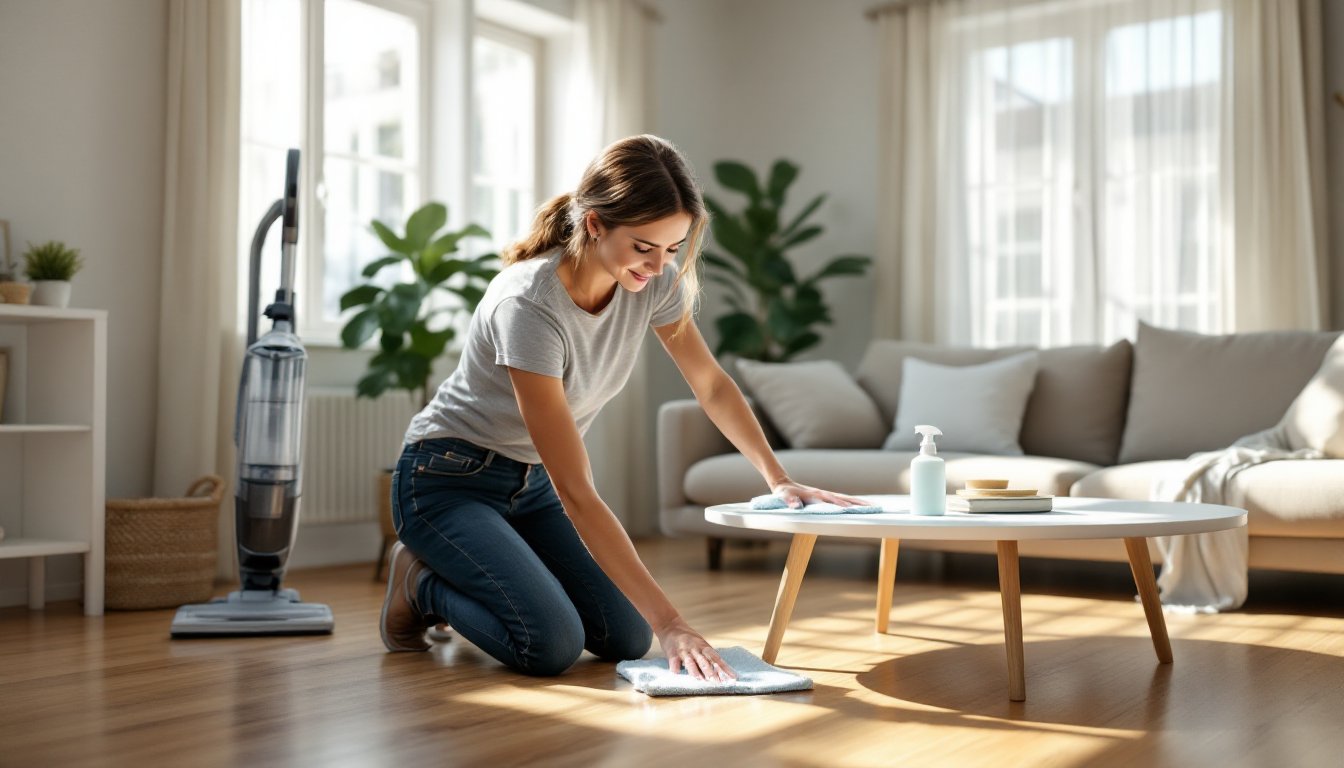
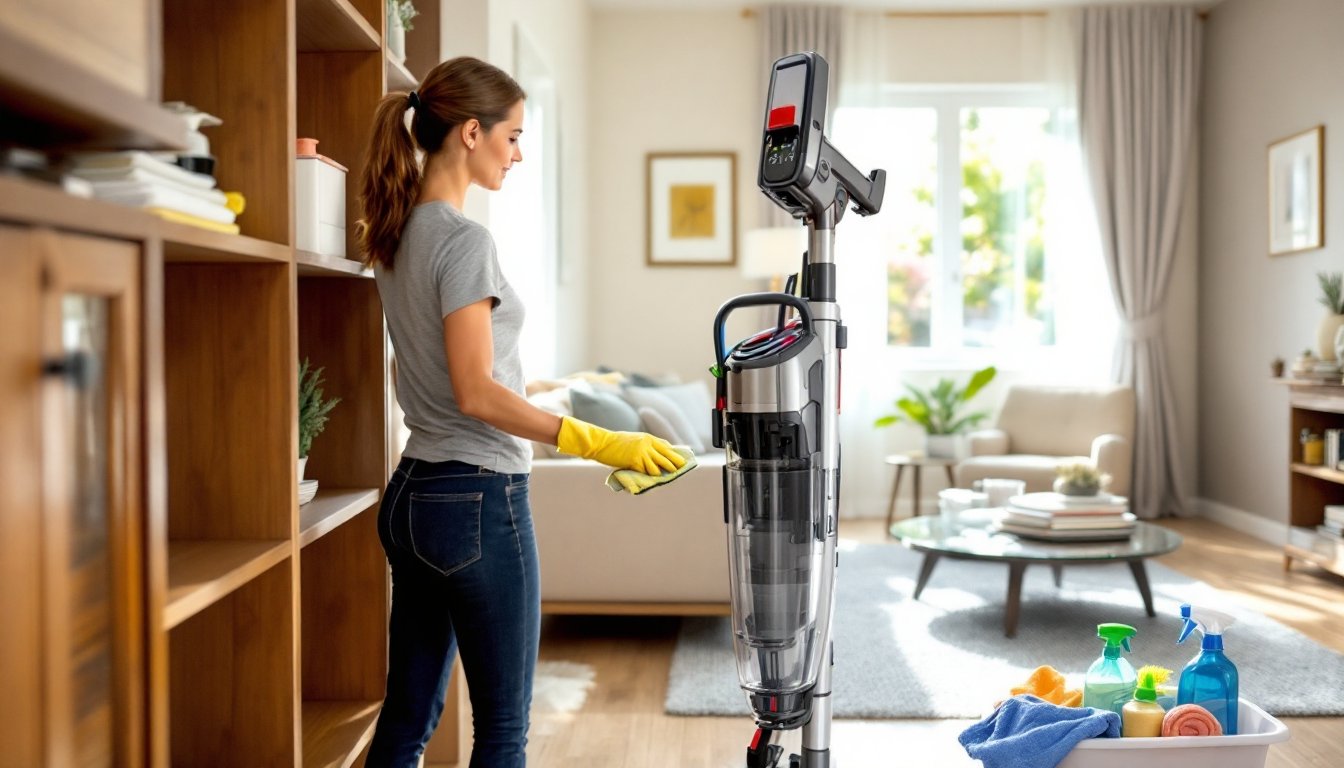
A clean house doesn’t require a full Saturday spent scrubbing. It requires a plan. Most homeowners waste time bouncing between rooms, re-cleaning the same surfaces, or using the wrong products for the job. The result? Hours lost and half-finished work. This guide breaks house cleaning into a logical, room-by-room system that gets the job done faster and more thoroughly. Whether you’re preparing for guests, doing a monthly deep clean, or just need to reset after a busy week, this approach cuts through the chaos and delivers results.
Table of Contents
ToggleKey Takeaways
- A logical room-by-room cleaning strategy saves hours by preventing wasted motion, re-cleaning, and product misuse—prioritize kitchens and bathrooms first for maximum visual impact.
- Invest in essential cleaning supplies like microfiber cloths, appropriate cleaners (all-purpose, degreaser, bathroom cleaner), and quality tools to dramatically reduce cleaning time and effectiveness.
- Work top-to-bottom and left-to-right within each room, set timers for urgency, and let chemical cleaners sit for 3-5 minutes to break down grime without excessive scrubbing.
- Cleaning as you go—wiping counters immediately, squeegeeing shower walls, and using cleaning caddies in each bathroom—prevents major buildup and cuts future deep cleaning time in half.
- Break cleaning your house into zones and assign age-appropriate tasks to family members to maintain momentum and prevent burnout from all-day projects.
- Clean hardwood and laminate floors differently than tile by vacuuming first to remove grit, then damp-mopping with a wrung-out mop to prevent water damage.
Create a Cleaning Strategy That Works for Your Schedule
Before touching a sponge, decide what kind of clean the house needs. A maintenance clean (dusting, vacuuming, wiping counters) takes 1-2 hours for most homes. A deep clean (baseboards, grout, inside appliances) can take 4-6 hours or more, depending on square footage.
Break the work into zones if time is tight. Clean the kitchen and one bathroom today, living areas tomorrow. This prevents burnout and keeps progress visible. For families, assign age-appropriate tasks: kids can handle trash duty and toy pickup, while adults tackle surfaces and floors.
Set a timer for each room. Most kitchens can be cleaned in 20-25 minutes if you’re not scrubbing baked-on grease from a month ago. Bathrooms average 15-20 minutes each. Living rooms and bedrooms run 10-15 minutes unless clutter is excessive. Timers create urgency and prevent perfectionism from derailing momentum.
Work top to bottom, left to right. Dust falls, so ceiling fans and shelves get cleaned before floors. Moving in one direction around a room ensures nothing gets missed. It sounds basic, but wandering randomly between tasks adds time and causes re-work.
Essential Cleaning Supplies and Tools Every Homeowner Needs
The right tools make every job faster. Here’s what belongs in a cleaning caddy:
Cleaning Solutions:
- All-purpose cleaner for counters, sinks, and most hard surfaces
- Glass cleaner for mirrors and windows
- Bathroom cleaner with mild acid (citric or lactic) for soap scum and hard water
- Degreaser for kitchen surfaces and stovetops
- Floor cleaner appropriate to surface type (wood, tile, vinyl)
Tools:
- Microfiber cloths (at least 6-8), they trap dust better than cotton rags and don’t leave lint
- Scrub brush with stiff bristles for grout and textured surfaces
- Squeegee for shower doors and large windows
- Vacuum with attachments (crevice tool, upholstery brush, hard floor setting)
- Mop, flat microfiber models work well for quick jobs: traditional string mops hold more water for deep cleaning
- Extendable duster for ceiling fans and high corners
Safety Gear:
- Nitrile gloves to protect hands from chemicals and grime
- Safety goggles if using spray cleaners overhead or mixing concentrated products
Skip the single-use wipes when possible. They’re expensive per clean and create waste. Microfiber and reusable spray bottles save money over time.
Start With High-Traffic Areas: Kitchen and Bathrooms
Kitchens and bathrooms get dirty fastest and have the biggest visual impact when clean. Tackle them first.
Kitchen
- Clear counters and load the dishwasher. Wipe down countertops with all-purpose cleaner or a degreaser if there’s cooking residue.
- Clean the sink. Scrub with bathroom cleaner (it cuts grease better than all-purpose) and rinse thoroughly. Wipe down the faucet and handles.
- Wipe appliance fronts, refrigerator, dishwasher, stove. Use glass cleaner on stainless steel to avoid streaks.
- Clean the stovetop. For gas ranges, remove grates and burner caps: soak in hot, soapy water while you wipe the surface. For electric or induction, use a degreaser and a non-scratch scrub pad.
- Sweep or vacuum, then mop the floor. Work from the far corner toward the exit so you don’t walk on wet floors.
Bathrooms
- Spray the shower or tub with bathroom cleaner and let it sit while you clean other surfaces. This dwell time breaks down soap scum without scrubbing.
- Wipe down the vanity, sink, and faucet. Clear off toiletries first, don’t clean around them.
- Clean the toilet. Apply bowl cleaner inside, let it sit, then scrub with a toilet brush. Wipe the exterior (seat, lid, base) with disinfectant.
- Return to the shower. Scrub tile, grout, and fixtures. Use a squeegee on glass doors to prevent water spots.
- Wipe mirrors with glass cleaner. Buff with a dry microfiber cloth for a streak-free finish.
- Sweep and mop the floor, paying attention to corners and around the toilet base.
Many cleaning tips and product reviews emphasize the importance of letting chemical cleaners sit for 3-5 minutes before wiping, it’s not laziness, it’s chemistry.
Tackle Living Spaces and Bedrooms Systematically
Living rooms and bedrooms collect dust, clutter, and pet hair but don’t require the same chemical cleaning as kitchens and baths.
Living Room
- Pick up clutter and return items to their proper rooms. Don’t organize them now, just get them out.
- Dust from top to bottom. Start with ceiling fans (turn them off first), then shelves, picture frames, and TV screens. Use a microfiber cloth, dampen it slightly for stubborn dust.
- Vacuum upholstery using the brush attachment. Get into crevices where crumbs and pet hair accumulate.
- Vacuum or sweep floors, including under furniture if accessible. Move light chairs and side tables: skip heavy sofas unless it’s a deep clean.
Bedrooms
- Strip and remake beds. Wash sheets weekly in hot water (at least 130°F) to kill dust mites.
- Clear nightstands and dressers, then dust them. Don’t forget lamp bases and alarm clocks.
- Vacuum or dust baseboards if they’re visibly dirty. This doesn’t need to happen every week.
- Vacuum floors, working from the far corner toward the door. Use the crevice tool along baseboards and in corners.
If you have hardwood or laminate floors, vacuum first to remove grit, then damp-mop with a product designed for that surface. Too much water warps wood: always wring the mop thoroughly. Comprehensive home improvement guides often stress that wood floors need different care than tile, residue from tile cleaners can dull wood finishes over time.
Don’t Forget the Details: Floors, Windows, and Surfaces
Details separate a quick clean from a thorough one. These tasks don’t need to happen weekly, but they matter.
Floors: Vacuum high-traffic areas (entryways, hallways, kitchen) twice a week. Mop hard floors weekly or as needed. For tile with grout, use a grout brush and a mixture of baking soda and water every few months to prevent discoloration. Avoid steam cleaners on grout unless it’s sealed, steam can erode unsealed grout over time.
Windows: Clean interior windows monthly, exteriors seasonally. Spray glass cleaner in a light mist, then wipe with a microfiber cloth in a Z-pattern to avoid streaks. For large windows or second-story exteriors, a squeegee and a bucket of soapy water work better than spray bottles. Wipe the squeegee blade after each pass.
Baseboards and Trim: Wipe with a damp microfiber cloth every 4-6 weeks. Use a small brush (an old toothbrush works) to clean corners and detailed trim. If baseboards are painted, avoid harsh chemicals that can dull the finish.
Light Fixtures and Ceiling Fans: Dust monthly. Turn off power at the switch (not just the wall switch, fan pull chains can be bumped). Wipe blades with a damp cloth, starting from the center and working outward. For glass light fixtures, remove and wash in warm, soapy water.
Vents and Registers: Vacuum floor vents and return air grilles monthly. Remove and wash register covers twice a year.
Time-Saving Cleaning Hacks for Maintaining a Tidy Home
Efficiency isn’t about working harder, it’s about eliminating wasted motion and preventing messes in the first place.
Clean as you go. Wipe the counter while coffee brews. Squeegee the shower walls after each use to prevent soap scum buildup. This takes 30 seconds and eliminates a 15-minute scrub job later.
Use the right dilution ratios. Concentrated cleaners often work better and cost less per use, but only if you dilute them correctly. Read the label. More product doesn’t mean more clean, it just leaves residue that attracts dirt.
Keep a cleaning caddy in each bathroom. Store a bottle of cleaner, a cloth, and a scrub brush under the sink. A quick 2-minute wipe-down prevents grime buildup that requires serious elbow grease later.
Declutter before cleaning. You can’t clean a surface covered in mail, toys, or random items. Spend 5 minutes clearing each room before you start. Research from cleaning and organizing experts shows that clutter nearly doubles cleaning time by forcing you to move objects repeatedly.
Batch similar tasks. Dust every room in one pass, then vacuum every room. Switching tools mid-task wastes time.
Invest in quality tools. A cheap vacuum that clogs or loses suction turns a 10-minute job into 30 minutes of frustration. Same with mops that shed fibers or spray bottles that clog. Buy mid-grade or better, and maintain them.
Conclusion
A clean home doesn’t require perfection or an entire weekend. It requires a repeatable system, the right tools, and the discipline to tackle high-impact areas first. Most cleaning failures come from skipping prep work, using the wrong products, or trying to do too much at once. Start with kitchens and bathrooms, work systematically through living spaces, and maintain the details on a rotating schedule. The result is a house that stays clean with less effort, and more time for the projects that actually improve it.