Home organization strategies separate chaotic spaces from functional ones. Most people own 300,000 items in their homes, according to the Los Angeles Times. That’s a lot of stuff competing for limited square footage. The good news? A few proven methods can transform any cluttered room into an organized space that actually stays that way.
This guide covers practical home organization strategies that deliver real results. From decluttering basics to room-specific approaches, smart storage solutions, and habit-building techniques, these methods work for apartments, houses, and everything in between.
Table of Contents
ToggleKey Takeaways
- Effective home organization strategies start with decluttering—use the one-year rule and four-box method to eliminate items that no longer serve a purpose.
- Organize rooms based on function: store kitchen items where they’re used, arrange closets by clothing type and color, and keep bathroom counters clear.
- Maximize vertical space with floating shelves, pegboards, and tall storage units to unlock hidden storage potential throughout your home.
- Adopt the “one in, one out” rule to prevent clutter from returning after you’ve organized a space.
- Build a 10-minute nightly reset habit to maintain your home organization strategies without weekend cleaning marathons.
- Assign a specific home for every item so putting things away becomes automatic and decision-free.
Decluttering as the Foundation
Every effective home organization strategy starts with decluttering. It’s impossible to organize clutter, you can only move it around. The first step involves removing items that no longer serve a purpose.
The One-Year Rule
If something hasn’t been used in 12 months, it probably won’t be used in the next 12. This rule applies to clothing, kitchen gadgets, hobby supplies, and decorative items. Exceptions exist for seasonal items, sentimental pieces, and emergency supplies.
Category-Based Decluttering
The KonMari method popularized category-based decluttering for good reason. Instead of organizing room by room, this approach tackles items by type: all clothing at once, all books at once, all paperwork at once. This method reveals duplicate items and forces decisions about what truly belongs in the home.
The Four-Box Method
Grab four boxes or bins labeled: Keep, Donate, Trash, and Relocate. Every item gets placed in one box. No “maybe” pile allowed. This home organization strategy forces quick decisions and prevents the endless sorting that leads nowhere.
Decluttering isn’t a one-time event. Schedule quarterly purges to prevent accumulation. The average American household receives 41 pounds of junk mail yearly, paper alone can overwhelm any space without regular attention.
Room-by-Room Organization Approaches
Different rooms require different home organization strategies. A kitchen functions differently than a bedroom, and each space has unique challenges.
Kitchen Organization
Kitchens see the most daily traffic. Store items where they’re used: pots near the stove, cutting boards near prep areas, coffee supplies near the coffee maker. Group similar items together in cabinets. Use drawer dividers for utensils and vertical dividers for baking sheets and cutting boards.
The refrigerator deserves special attention. Designate zones: dairy on one shelf, produce in drawers, leftovers at eye level where they won’t be forgotten. Clear containers let everyone see what’s available.
Bedroom and Closet Systems
Closet organization makes or breaks morning routines. Arrange clothing by type, then by color within each category. This simple home organization strategy cuts decision fatigue and speeds up outfit selection.
Use the “one in, one out” rule for clothing. Every new purchase means one item leaves. This prevents closet overflow and maintains the system long-term.
Bathroom Efficiency
Bathrooms typically have limited storage but house numerous products. Use tiered shelves under sinks to maximize vertical space. Install over-the-door organizers for hair tools and styling products. Keep counters clear except for daily-use items.
Living Areas and Entryways
Entryways set the tone for the entire home. A designated spot for keys, mail, and bags prevents the “where did I put it” panic. Living rooms benefit from hidden storage: ottomans with compartments, coffee tables with drawers, and console tables with baskets.
Smart Storage Solutions for Every Space
The right storage solutions multiply available space. Effective home organization strategies match storage products to specific needs.
Vertical Space Utilization
Walls offer untapped storage potential. Floating shelves display items while freeing floor space. Pegboards in garages, offices, and craft rooms keep tools visible and accessible. Over-door organizers work in closets, pantries, and bathrooms.
Tall bookcases and storage units draw the eye upward and use space that would otherwise sit empty. Step stools make high storage practical for everyday items.
Container Systems
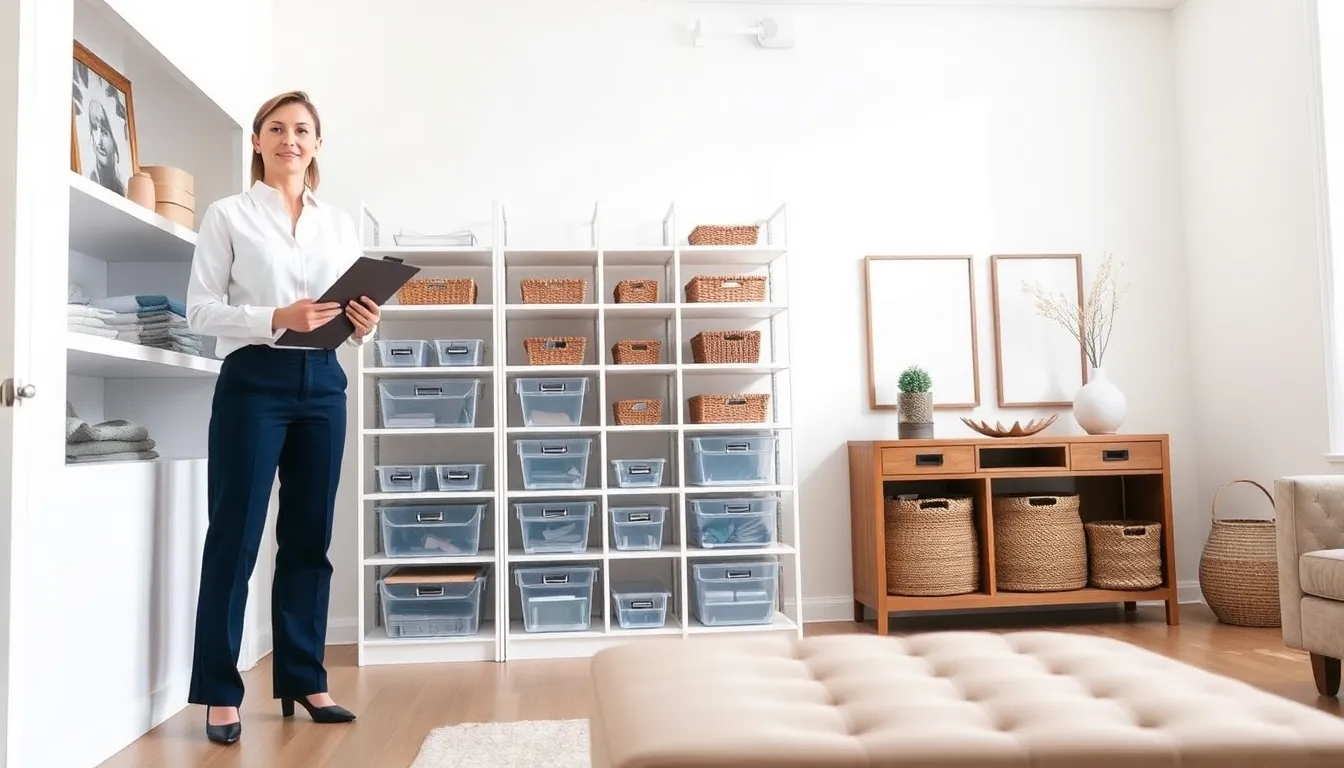
Matching containers create visual calm. Clear bins let contents stay visible without opening each one. Label everything, future you will appreciate it. Stackable containers maximize shelf space in pantries and closets.
For small items, divided organizers prevent the “junk drawer” phenomenon from spreading. Desk organizers, jewelry trays, and tool caddies keep tiny items sorted and findable.
Furniture with Built-In Storage
Storage furniture serves double duty. Beds with drawers underneath eliminate the need for separate dressers in small bedrooms. Benches with lift-top seats store shoes, blankets, or seasonal items. Storage ottomans hide toys, remotes, and magazines.
Underutilized Spaces
Look for forgotten zones: under stairs, above doors, inside cabinet doors, and behind doors. These spots can house cleaning supplies, gift wrap, or seasonal decorations. Tension rods under sinks create instant shelf space for spray bottles.
Building Sustainable Organization Habits
Home organization strategies fail without supporting habits. Systems only work when maintained.
Daily Reset Routines
A 10-minute nightly reset keeps spaces organized. This means returning items to their designated homes, clearing surfaces, and handling any new items that entered the home. Small daily efforts prevent weekend-long cleaning marathons.
The “Touch It Once” Principle
When picking something up, deal with it immediately rather than setting it down “for now.” Mail gets opened, sorted, and filed or recycled. Clean laundry gets folded and put away. This principle stops clutter from accumulating in temporary piles.
Assign Homes for Everything
Every item needs a specific location. Keys go in the bowl by the door. Scissors live in the desk drawer. Remote controls stay in the basket on the coffee table. When everything has a home, putting things away requires zero decision-making.
Regular Maintenance Schedules
Set calendar reminders for organization tasks:
- Weekly: Quick declutter of surfaces and high-traffic areas
- Monthly: Deep organization of one room or category
- Quarterly: Seasonal item rotation and donation runs
- Annually: Full home assessment and major purge
These scheduled check-ins prevent small messes from becoming overwhelming projects. Home organization strategies succeed through consistency, not perfection.