
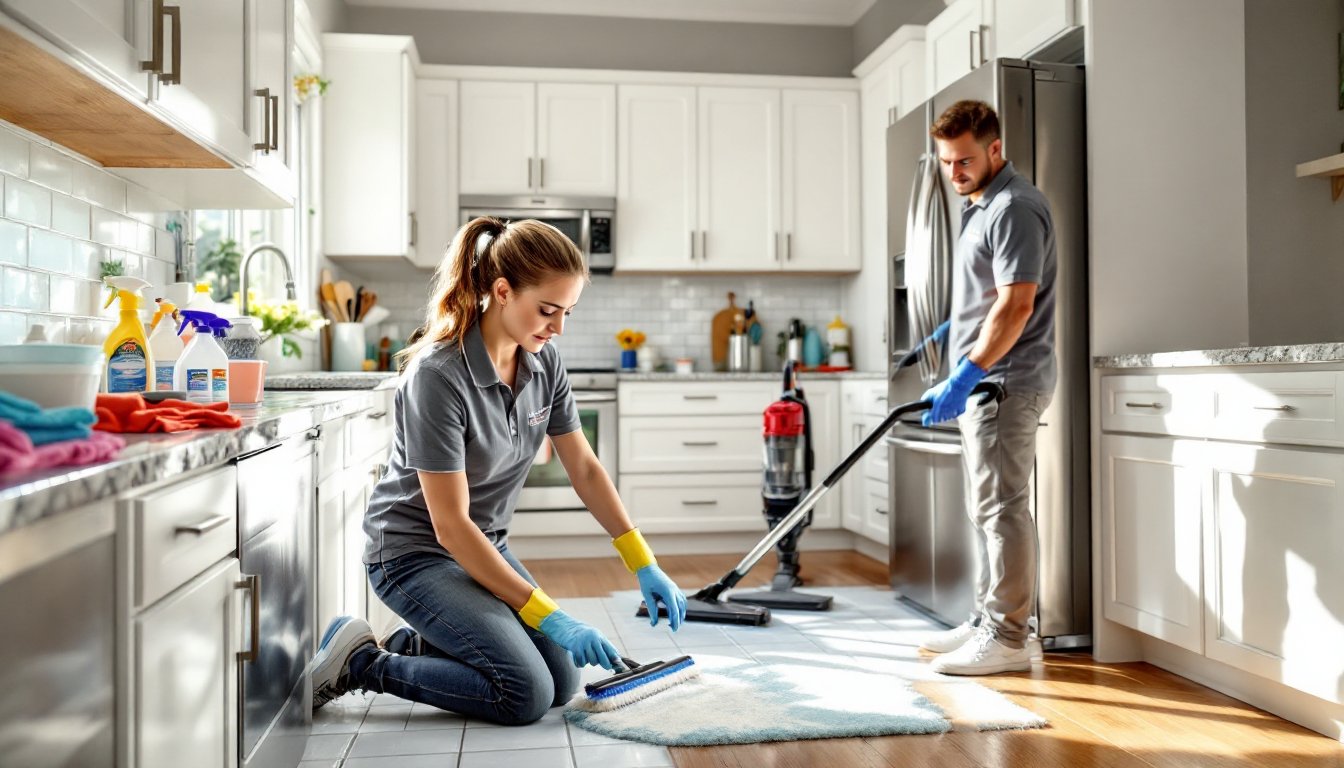
Moving into a new home, preparing for a major event, or simply losing the battle against accumulated grime? A deep house cleaning service tackles the dirt, grease, and buildup that regular weekly cleaning misses. Unlike a quick surface wipe-down, deep cleaning targets baseboards, grout lines, behind appliances, and inside cabinets, the zones that harbor dust, allergens, and gunk over months or years. For homeowners juggling renovation projects or managing rental properties, hiring professional cleaners can reset a space to near-move-in condition without spending an entire weekend on hands and knees with a scrub brush.
Table of Contents
ToggleKey Takeaways
- A deep house cleaning service goes far beyond regular vacuuming and countertop wiping, targeting hidden zones like baseboards, grout lines, behind appliances, and cabinet interiors that accumulate dust and allergens over months or years.
- Professional deep cleaning typically takes four to eight hours for an average single-family home and uses commercial-grade equipment like HEPA-filter vacuums, steam cleaners, and EPA-registered disinfectants that standard grocery-store products cannot match.
- Schedule a deep house cleaning service before major life events such as move-in/move-out, post-renovation cleanup, seasonal transitions, or pre-listing preparation to reset your home to near-move-in condition.
- Deep cleaning costs between $200–$400 for a 1,200–1,500 sq ft home in average condition as of 2026, with pricing influenced by home size, regional labor rates, and additional services like carpet shampooing or window cleaning.
- Choose a reputable cleaning company by verifying insurance coverage, checking reviews across multiple platforms, confirming the use of EPA Safer Choice or Green Seal–certified products, and requesting detailed written estimates that specify what services are included.
What Is a Deep House Cleaning Service?
A deep house cleaning service is a comprehensive, detail-oriented cleaning that goes far beyond vacuuming floors and wiping counters. Standard maintenance cleaning hits high-traffic surfaces weekly or biweekly. Deep cleaning digs into neglected areas: scrubbing tile grout with a stiff brush, degreasing range hood filters, vacuuming refrigerator coils, washing window tracks, and wiping down light fixtures and ceiling fans.
Professional crews typically spend four to eight hours on an average single-family home, depending on square footage and condition. They bring commercial-grade equipment, HEPA-filter vacuums, steam cleaners, extension poles for high dusting, and EPA-registered disinfectants that cut through biofilm and soap scum more effectively than grocery-store sprays.
The difference between regular and deep cleaning becomes obvious in kitchens and bathrooms, where mineral deposits, grease, and mildew accumulate in crevices. Deep cleaning restores surfaces to a baseline that makes ongoing maintenance easier. Think of it as the difference between sweeping a deck and pressure-washing it, same goal, very different intensity.
When Should You Hire a Deep Cleaning Service?
Timing matters. Homeowners typically schedule deep cleans during specific life events or seasonal transitions, not as a replacement for regular upkeep.
Move-in or move-out: Landlords and new buyers often hire crews before occupancy to eliminate the previous tenant’s grime, pet dander, and mystery stains. This is especially critical if the property sat vacant or underwent renovation, construction dust embeds itself in HVAC vents, window sills, and cabinet interiors.
Post-renovation cleanup: Drywall dust, paint overspray, and adhesive residue require more than a shop vacuum. Professional cleaners know to wipe down walls with tack cloths, vacuum HVAC registers, and clean inside electrical outlet covers (with power off) to remove fine particulate.
Seasonal resets: Spring and fall deep cleans address pollen buildup, winter salt residue, or summer humidity that encourages mold in grout lines. If baseboards show a visible dust layer or the microwave interior has baked-on splatters, it’s time.
Health triggers: Allergies, asthma, or immune-compromised household members benefit from removing dust mites, pet dander, and mold spores that settle in upholstery, carpets, and behind furniture. HEPA filtration and allergen-reducing detergents make a measurable difference in indoor air quality.
Pre-listing prep: Real estate agents recommend deep cleaning before listing photos and showings. Clean grout, streak-free windows, and odor-free carpets photograph better and signal to buyers that the home has been maintained.
What’s Included in a Professional Deep Clean?
Service checklists vary by company, but most deep cleans follow a room-by-room approach that hits hidden zones standard cleaning skips. Expect crews to move small furniture and appliances to access trapped dust and debris.
Kitchen and Bathroom Deep Cleaning
Kitchens demand the most labor. Crews degrease cabinet fronts, wipe down cabinet interiors (removing shelf liners if needed), scrub backsplash grout with a pH-neutral cleaner and stiff nylon brush, and descale faucet aerators clogged with mineral deposits. Range hoods get disassembled, filters soaked in degreaser, fan blades wiped, and interior surfaces scrubbed. Ovens receive a caustic cleaner application or steam treatment to dissolve carbonized spills. Refrigerators get pulled out so crews can vacuum condenser coils and mop the floor underneath, improving appliance efficiency and eliminating odors.
Bathrooms involve scrubbing tile and grout with mildew removers, descaling showerheads and faucets with vinegar or citric acid solutions, and cleaning exhaust fan covers. Crews address caulk lines around tubs and sinks, if caulk shows mold staining, it may need replacement (a maintenance item, not typically included in cleaning). Toilet bases get detached and re-caulked only if specified: otherwise, crews clean around the caulk line as best they can.
Living Spaces and Bedrooms
Living areas receive high dusting, crown molding, ceiling fan blades, light fixtures, picture frames, and door frames. Baseboards get wiped with a damp microfiber cloth to remove dust and scuff marks. Window sills and tracks are vacuumed and scrubbed: interior glass gets streak-free treatment with a squeegee or microfiber. Upholstered furniture is vacuumed with a brush attachment: some services offer steam cleaning for an additional fee.
Bedrooms include dusting furniture surfaces, vacuuming under beds and dressers, and cleaning closet floors (but not organizing contents, that’s the homeowner’s job). Air vents and return grilles get vacuumed or wiped to reduce dust recirculation.
Carpets and hard floors receive thorough vacuuming with edge brushes, followed by mopping with appropriate cleaners, pH-neutral for hardwood, alkaline degreasers for tile, and manufacturer-recommended products for luxury vinyl plank. Carpet shampooing or steam cleaning typically costs extra and requires 24–48 hours drying time, so plan accordingly if you’re staging a home.
How to Choose the Right Deep Cleaning Company
Vetting a cleaning service requires more diligence than hiring a lawn crew. You’re granting access to your home and trusting strangers with valuables and potentially hazardous cleaning chemicals.
Start with licensing and insurance. Reputable companies carry general liability insurance (minimum $1 million coverage) and workers’ compensation for employees. This protects you if a crew member is injured on your property or damages a fixture. Ask for proof of insurance and verify the policy is current.
Check reviews on multiple platforms, Google, Yelp, and local Facebook groups. Look for patterns: do customers mention punctuality, thoroughness, and communication? Red flags include complaints about missing items, incomplete work, or crews rushing through jobs.
Ask whether the company employs W-2 workers or independent contractors. W-2 employees typically receive training, background checks, and supervision, reducing liability and inconsistency. Independent contractors may charge less but offer less accountability.
Request a detailed written estimate after a walkthrough or phone consultation. Flat-rate pricing (e.g., $300 for a 1,500 sq ft home) is common, but some companies charge hourly ($25–$50 per cleaner). Clarify what’s included: are window interiors, oven cleaning, and refrigerator deep cleaning standard, or do they cost extra?
Inquire about cleaning products. If you have pets, kids, or chemical sensitivities, confirm whether the crew uses EPA Safer Choice or Green Seal–certified products. Many cleaning guides recommend non-toxic alternatives that perform as well as conventional cleaners.
Finally, ask about equipment. Professional-grade HEPA vacuums, microfiber cloths (not cotton rags), and extension poles for high dusting signal a serious operation. If a crew shows up with a household vacuum and a bottle of all-purpose spray, they’re not equipped for deep work.
Deep Cleaning Cost: What to Expect in 2026
Pricing hinges on home size, condition, and regional labor rates. As of 2026, expect to pay $200–$400 for a standard deep clean of a 1,200–1,500 sq ft home in average condition. Larger homes (2,500+ sq ft) or properties requiring heavy-duty degreasing, mold remediation, or post-construction cleanup can run $500–$800 or more.
Most companies charge per square foot ($0.10–$0.30/sq ft) or per hour per cleaner. A typical crew of two cleaners working four hours at $35/hour each totals $280, not including add-ons like carpet shampooing ($0.25–$0.50/sq ft), window cleaning (exterior), or appliance interiors.
Geography affects rates. Urban markets with higher wages, New York, San Francisco, Seattle, command premium pricing. Rural areas may offer lower base rates but fewer companies, limiting options.
Condition surcharges apply if the home hasn’t been deep cleaned in years or has pet stains, nicotine residue, or hoarding cleanup needs. Crews may quote a higher rate or require a deposit after an initial walkthrough.
Seasonal demand spikes pricing in spring (March–May) and around holidays (November–December). Book off-season, summer or early fall, for better availability and potential discounts.
Bundling services can reduce per-visit costs. Some companies offer maintenance plans: a quarterly deep clean plus monthly light cleaning at a discounted rate. For landlords managing multiple properties, negotiating a bulk rate makes financial sense.
Compare quotes from at least three companies, but don’t default to the cheapest bid. A $150 deep clean might mean a solo cleaner rushing through in two hours, skipping grout scrubbing and high dusting. Quality crews invest time in prep work and detail, pay for thoroughness, not speed.
For home organization projects or pre-listing prep, factor deep cleaning into the budget alongside painting, minor repairs, and staging. A professionally cleaned home shows better and often recoups the cost in faster sales and higher offers.