House cleaning work isn’t glamorous, but it’s steady, flexible, and often pays better than people expect. For those looking to earn on their own schedule, whether as a side hustle or full-time gig, cleaning jobs offer low barriers to entry and genuine demand. No college degree required, no franchise fees to get started solo, and clients who need the work done every week. This guide walks through what cleaning house jobs actually entail, how to land them, and what it takes to do the work well enough that customers call back.
Table of Contents
ToggleKey Takeaways
- Cleaning house jobs offer low barriers to entry with flexible scheduling and earning potential of $25–$50+ per hour as an independent contractor, making them accessible for stay-at-home parents, students, and retirees.
- Successful cleaning house jobs require three core skills: time management for accurate estimates, attention to detail to ensure quality work, and physical stamina to complete tasks efficiently.
- Starting independent cleaning work involves obtaining liability insurance ($300–$600 annually), securing business licensing, setting competitive rates through market research, and creating written service agreements to prevent misunderstandings.
- Multiple revenue opportunities exist beyond residential cleaning, including deep cleans, move-in/move-out services, commercial office cleaning, and specialized niches like Airbnb turnovers and post-construction cleaning that command higher rates.
- Online platforms (Care.com, TaskRabbit, Handy) accelerate client acquisition but charge 15–30% commissions, while word-of-mouth referrals and local community networks become the primary sustainable lead source once established.
- Essential tools—vacuum, microfiber cloths, mop, scrub brushes, and appropriate cleaning products—represent manageable startup costs, and offering eco-friendly options can become a competitive differentiator in the market.
What Are Cleaning House Jobs and Who Are They For?
Cleaning house jobs involve maintaining residential or commercial spaces through regular or deep cleaning tasks. The work ranges from vacuuming and mopping to scrubbing bathrooms, dusting surfaces, and sanitizing kitchens. Some positions are employee roles with set hours and benefits: others are independent contractor gigs where workers set their own rates and schedules.
This line of work suits several types of people. Stay-at-home parents often appreciate the flexible hours that fit around school drop-offs. College students can book cleaning appointments between classes. Retirees looking for supplemental income find it less physically demanding than construction or landscaping, though it’s still active work. Anyone comfortable working independently, managing their own bookings, and maintaining quality without direct supervision tends to thrive.
The barrier to entry is low. Most clients care more about reliability and thoroughness than formal certifications. That said, bonding and insurance become important once someone starts taking on multiple regular clients, it protects both the cleaner and the homeowner if something gets damaged or goes missing.
Types of Cleaning House Jobs Available
Residential Cleaning Positions
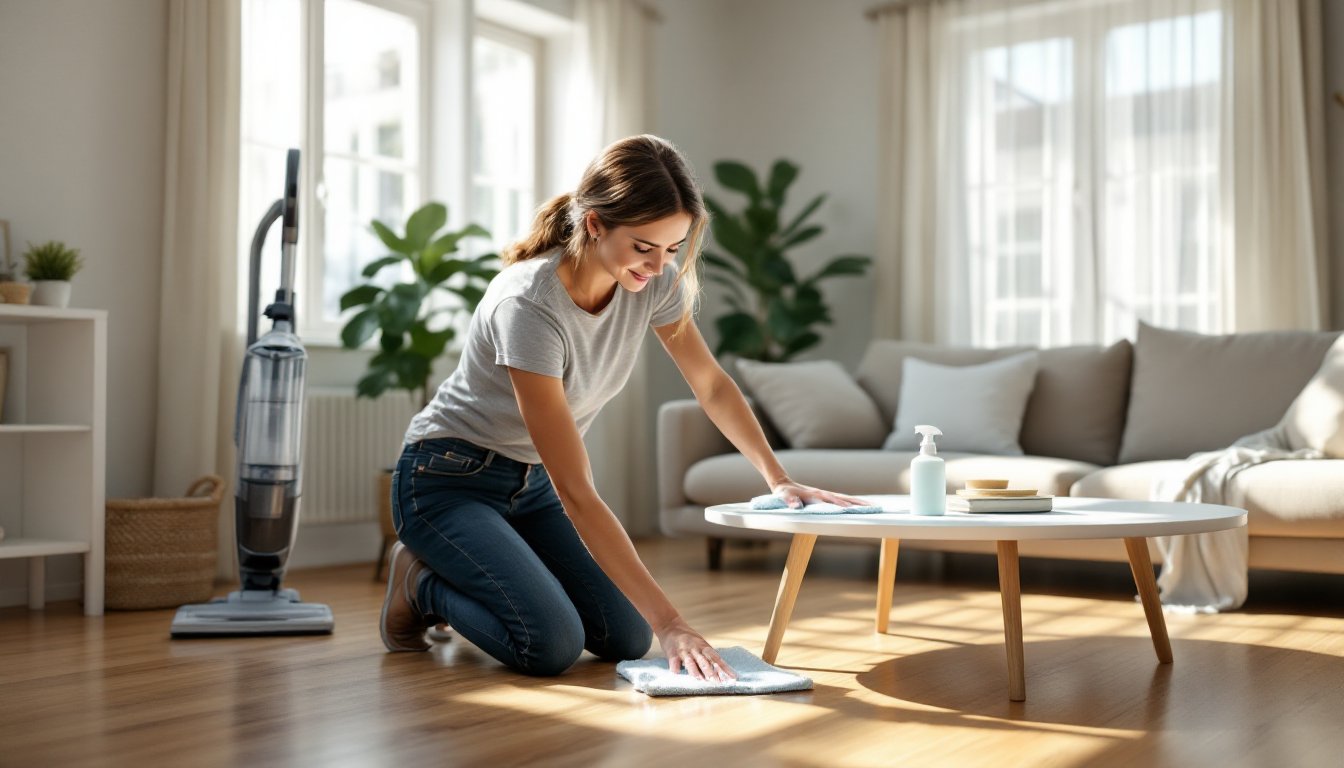
Residential cleaning makes up the bulk of available jobs. Standard recurring cleanings, weekly, biweekly, or monthly visits, form the foundation of most cleaning businesses. Clients usually want the same cleaner each time, which builds routine and trust. Tasks typically include vacuuming all floors, mopping hard surfaces, wiping down countertops and appliances, cleaning bathrooms (tubs, sinks, toilets, mirrors), dusting furniture and baseboards, and emptying trash.
Deep cleaning jobs pay more but require more time and effort. These involve scrubbing grout, washing inside cabinets, cleaning oven interiors, wiping down window sills and blinds, and tackling spaces that don’t get touched during regular visits. Deep cleans often happen before a move-in, after a move-out, or once or twice a year as a reset. Many organizing and decluttering projects pair well with deep cleaning, since homeowners often tackle both at the same time.
Move-in/move-out cleanings are another niche. Property managers and landlords hire cleaners to prepare units for new tenants. These jobs are time-sensitive and require attention to detail since security deposits often hinge on cleanliness. The work includes scrubbing appliances, cleaning inside closets, and removing any residue left behind.
Some cleaners also offer specialized services like post-construction cleaning (removing drywall dust, paint splatters, and adhesive residue), window washing, or carpet shampooing. These usually require additional equipment and training but command higher rates.
Commercial and Specialized Cleaning Roles
Commercial cleaning differs from residential work in scale and schedule. Office cleaning typically happens after business hours, evenings or early mornings, so it doesn’t disrupt employees. Tasks include emptying trash and recycling bins, vacuuming carpets, mopping floors, wiping desks and shared surfaces, and restocking restrooms. Office jobs often come through contracts with building management companies rather than individual clients.
Medical and dental office cleaning requires strict adherence to sanitation standards. Cleaners must understand protocols for handling biohazard waste, disinfecting exam rooms, and using hospital-grade cleaners. These positions usually require background checks and sometimes certifications in bloodborne pathogen handling.
Retail and restaurant cleaning involves high-traffic areas that accumulate dirt quickly. Restrooms need frequent attention, and kitchens in restaurants must meet health department standards. Some of these gigs are part-time employee roles with set shifts: others are contractor positions.
Specialty cleaning niches include Airbnb turnovers (quick cleans between guest stays), event venue cleaning, and senior living facilities. Each has unique requirements, Airbnb hosts need same-day turnarounds, venues need floor care after events, and senior facilities require compassionate interaction with residents.
How to Get Started in House Cleaning Work
Start by deciding whether to work independently or join an established cleaning company. Working for a company means steady assignments, supplied equipment, and sometimes benefits, but hourly pay is typically lower, $12 to $18 per hour depending on region and experience. The company handles marketing, scheduling, and customer acquisition.
Going independent offers higher earning potential, $25 to $50 per hour or more, but requires hustle upfront. Cleaners need to find their own clients, supply their own tools and products, and manage bookings. Many people start by cleaning for friends, family, and neighbors, then expand through word-of-mouth referrals.
Next, handle the legal and insurance basics. Sole proprietors should check local business licensing requirements, some cities require a general business license even for solo cleaners. Liability insurance is non-negotiable once working in clients’ homes. Policies typically cost $300 to $600 annually and cover accidental damage to property. Bonding (a type of insurance that protects clients if the cleaner steals something) adds credibility, especially when marketing to higher-end clients.
Set clear pricing from the start. Some cleaners charge by the hour: others price by the job based on square footage and scope. Hourly rates work well when job complexity varies. Flat-rate pricing appeals to clients who want predictable costs. Research local competitors to find the going rate, undercutting too much signals inexperience, while overpricing without a track record scares off prospects.
Create a simple service agreement or checklist. It doesn’t need to be a formal contract, but a written list of what’s included (and what’s not) prevents misunderstandings. For example, specify whether you clean inside the refrigerator, wash dishes, or handle laundry. Clients appreciate clarity upfront.
Essential Skills and Tools You’ll Need
Time management tops the skills list. Cleaners must estimate how long jobs take and stay on schedule. Underestimating a job eats into profit: running late annoys clients. Most residential cleans take 2 to 4 hours depending on home size and condition. Deep cleans can run 5 to 8 hours. Track time on early jobs to build accurate estimates.
Attention to detail separates great cleaners from mediocre ones. Clients notice streaky mirrors, dusty ceiling fan blades, and missed corners. Some of the most satisfying cleaning tasks involve tackling neglected spots that show immediate results, scrubbing grout, polishing faucets, or wiping down baseboards. Developing a consistent routine for each room ensures nothing gets skipped.
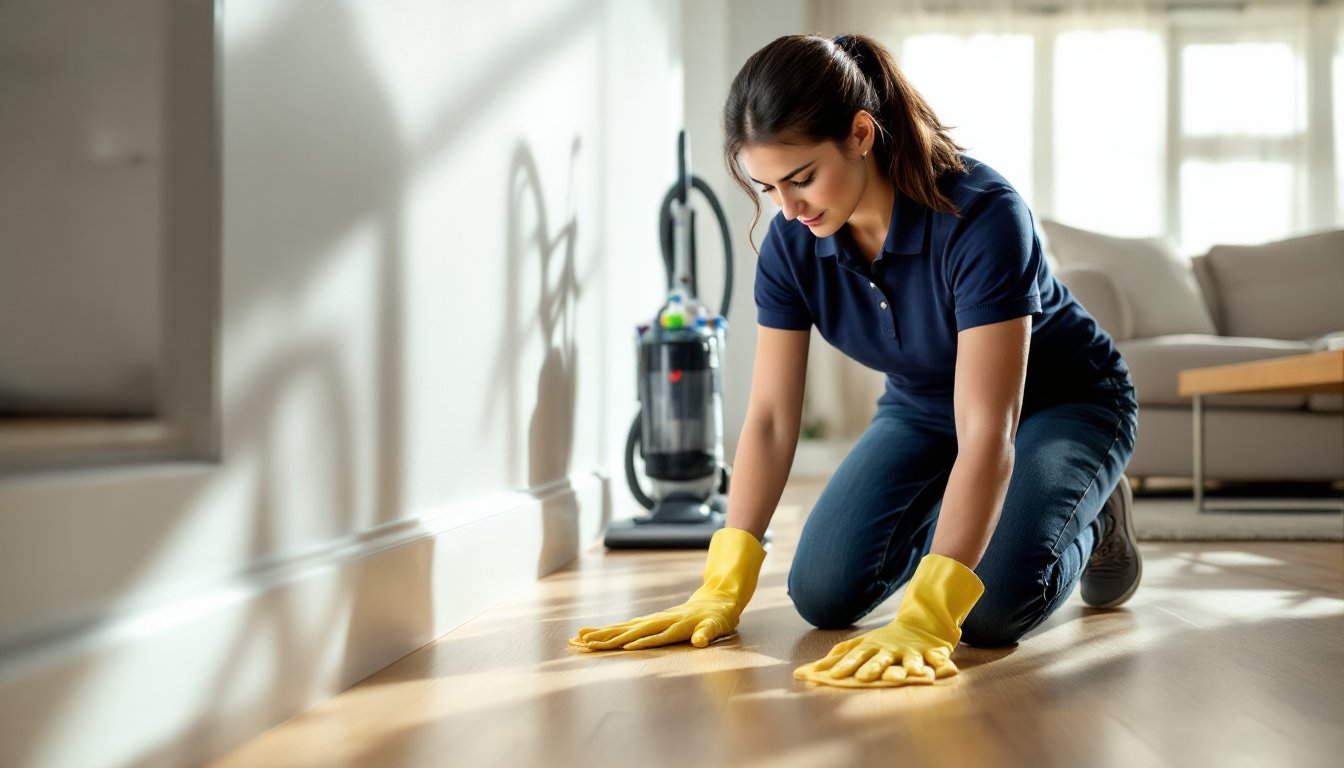
Physical stamina matters. Cleaning involves bending, lifting, scrubbing, and staying on your feet for hours. Knee pads help when scrubbing tubs or baseboards. Comfortable, slip-resistant shoes prevent fatigue and injuries.
For tools, start with the basics and expand as needed. A starter kit includes:
- Vacuum cleaner (upright or canister with attachments for corners and upholstery)
- Microfiber cloths (at least a dozen, they’re reusable and more effective than paper towels)
- Mop and bucket (or a spray mop for quick jobs)
- Scrub brushes (various sizes for grout, tubs, and tight spaces)
- Squeegee for windows and glass shower doors
- Caddy or tote to carry supplies room to room
- Extension duster for ceiling fans and high shelves
For cleaning products, many professionals bring their own to ensure consistency. Stock:
- All-purpose cleaner (works on most surfaces)
- Glass cleaner
- Bathroom disinfectant (something with bleach or a comparable sanitizer for toilets and tubs)
- Floor cleaner appropriate for tile, laminate, or hardwood
- Degreaser for kitchens
Some clients prefer green or non-toxic products. Offering eco-friendly options can be a selling point. Vinegar, baking soda, and castile soap handle many tasks, though they require more elbow grease than commercial formulas.
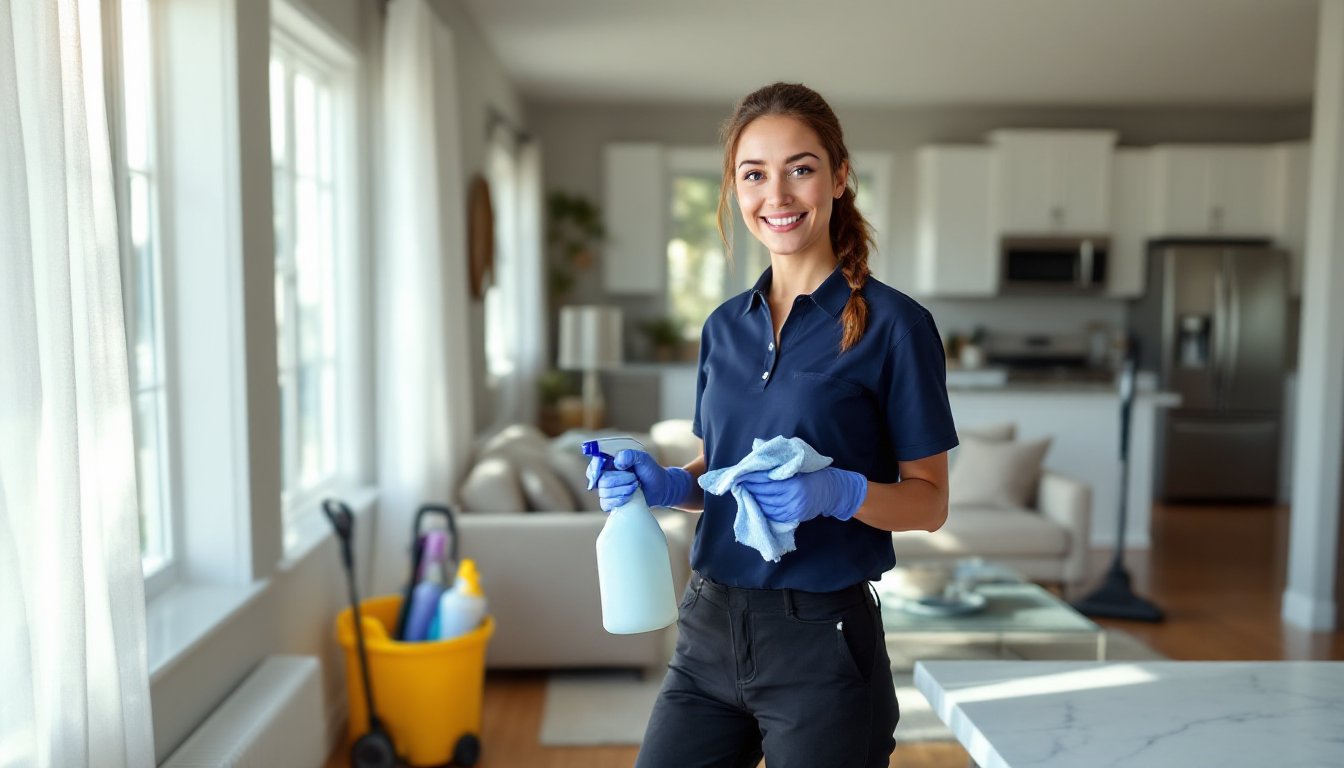
Safety gear isn’t optional. Wear nitrile gloves to protect hands from chemicals and germs. Use safety glasses when working with spray cleaners overhead. A dust mask or respirator is smart during deep cleans involving heavy dust or mold.
Finding Cleaning Jobs: Where to Look and How to Apply
Online platforms have made finding cleaning work easier. Care.com, Handy, and TaskRabbit connect cleaners with clients looking for help. These platforms handle payment processing and provide some client vetting, but they take a percentage of earnings, often 15% to 30%. They’re useful for building a client base quickly, especially when starting out.
Local Facebook groups and Nextdoor are goldmines for independent cleaners. Many neighborhoods have “buy/sell/trade” or “recommendations” groups where people post requests for cleaning help. Respond promptly and professionally. A simple reply like, “I’m available and have references, happy to discuss your needs” often leads to a booking.
Craigslist still works in many markets, both for finding job postings and advertising services. Post in the “services offered” section with clear pricing, availability, and contact info. Refresh posts weekly to stay visible.
Word-of-mouth referrals become the primary lead source once established. Deliver excellent work, show up on time, and treat clients’ homes with respect, those clients will recommend you to friends and neighbors. Offering a referral discount (like $20 off the next clean for every new client referred) accelerates growth.
For those seeking employee positions rather than contract work, check Indeed, ZipRecruiter, and local staffing agencies. Cleaning companies often hire seasonally or when expanding. Employee roles provide more stability and sometimes benefits, though hourly pay is lower than independent rates.
When applying or pitching services, keep it straightforward. Highlight reliability, experience (even informal experience counts, “I’ve been maintaining my own home and helping family members for years”), and availability. If you have references, mention them. Avoid overpromising: it’s better to underpromise and overdeliver.
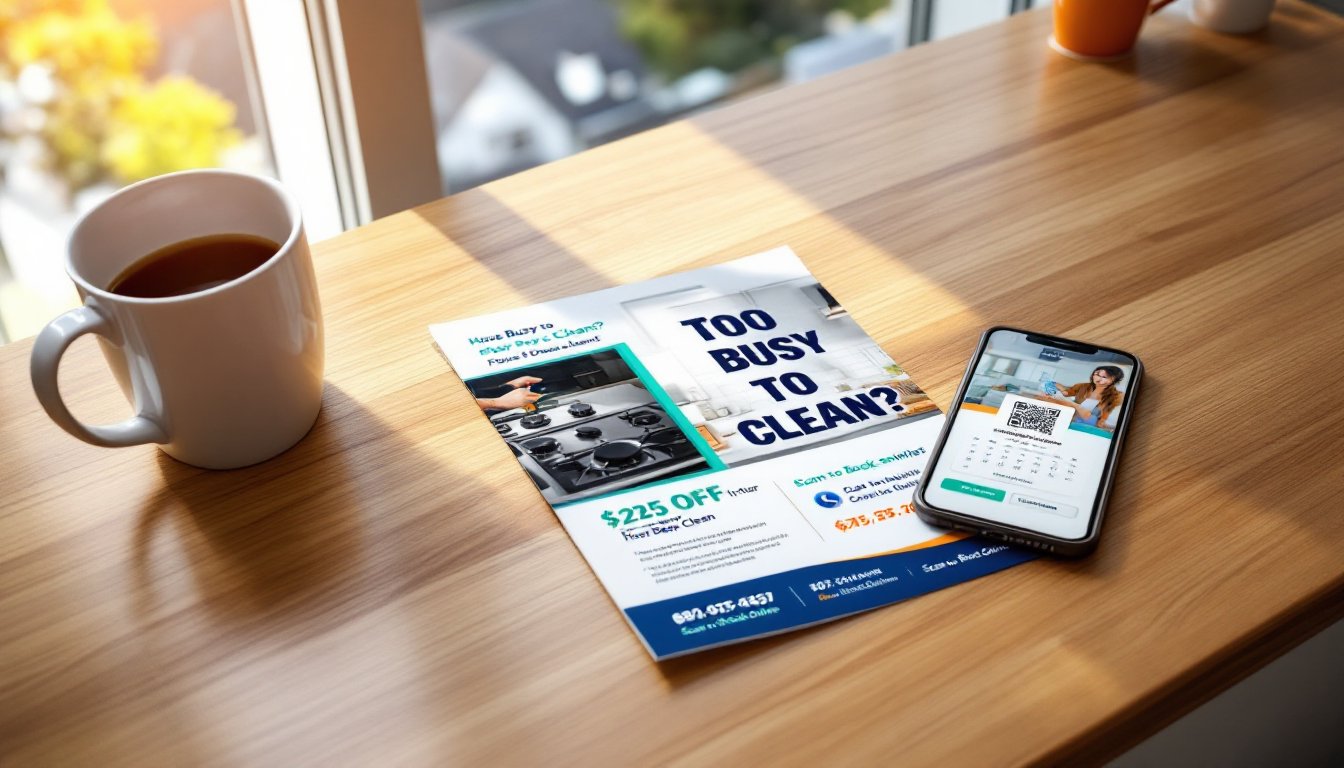
Business cards or simple flyers left at community centers, coffee shops, or apartment complexes can generate leads. Include name, services offered, contact info, and one differentiator (“Eco-friendly products” or “Same cleaner every visit”). For broader home care advice and cleaning techniques, many cleaners stay sharp by following trusted resources that cover everything from stain removal to seasonal deep-cleaning schedules.
Once inquiries come in, respond quickly, often the first cleaner to reply gets the job. Ask a few questions: How many bedrooms and bathrooms? Any specific areas needing extra attention? Pets? That info helps provide an accurate quote and shows professionalism. Schedule a walkthrough for larger jobs or first-time clients to assess the space and set expectations.
Building a sustainable cleaning business, or even just a dependable side income, comes down to consistency, communication, and quality work. The demand is there, the entry barriers are manageable, and the earning potential grows as reputation builds.