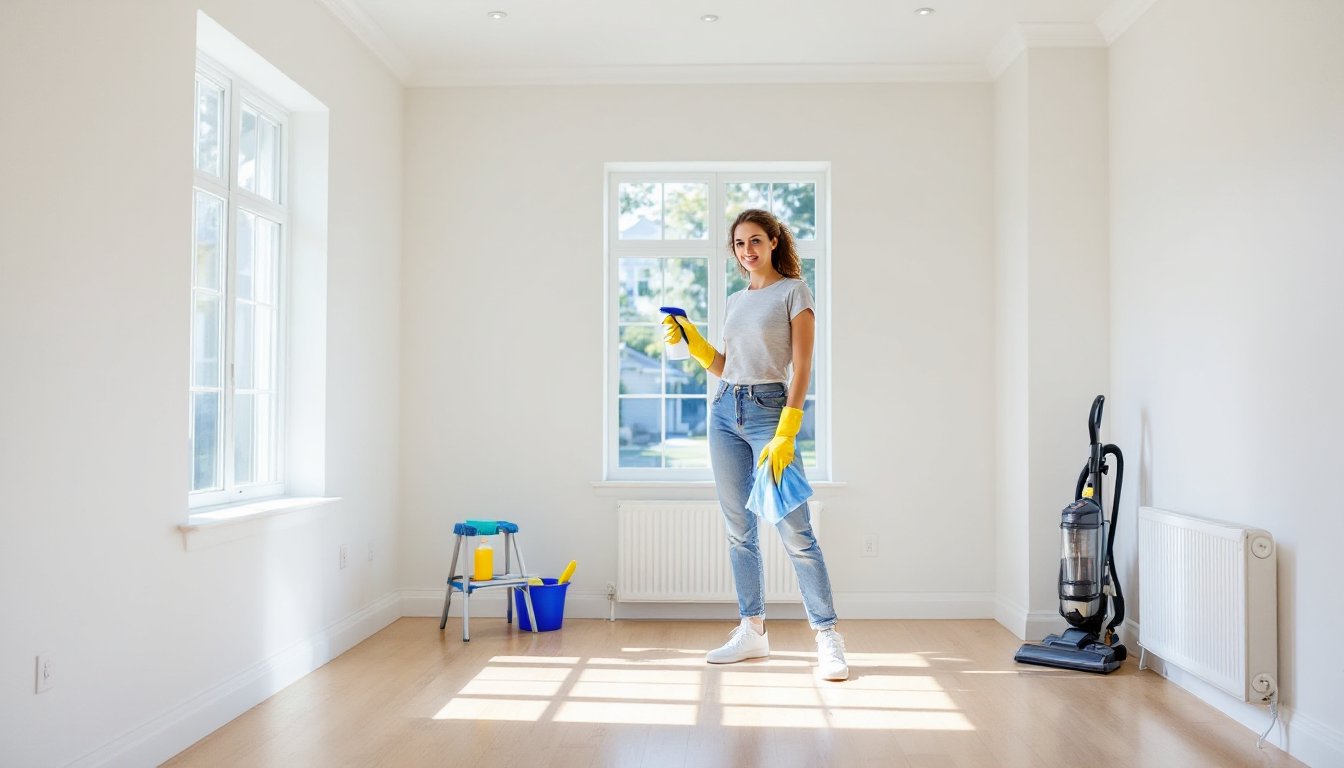
Before that first box lands on the floor, the new house deserves a thorough cleaning. Previous owners might’ve left it looking acceptable, but a deep clean before moving furniture in is the only chance to sanitize surfaces, tackle every corner, and start fresh. This isn’t about dusting baseboards for aesthetics, it’s about removing allergens, grime, and bacteria left behind by strangers. With everything empty, access is easier, and the work goes faster than it ever will again. Here’s the complete move-in cleaning checklist that covers every surface, tool, and often-missed detail.
Table of Contents
ToggleKey Takeaways
- Deep cleaning your new house before moving in removes allergens, bacteria, and hidden mold that a standard walkthrough misses, creating a healthier living environment from day one.
- Empty rooms provide the only opportunity to reach baseboards, vents, and tight corners without moving furniture—making new house cleaning faster and more thorough than it will ever be again.
- A HEPA-filtered vacuum, disinfectant sprays, and room-specific cleaners like degreaser and tile scrub are essential tools for tackling kitchens and bathrooms, which require the most sanitation attention.
- Often-overlooked areas like HVAC vents, door frames, appliance interiors, and dryer exhaust should be prioritized to prevent air quality issues and fire hazards.
- Address water stains, mold, and pest evidence during new house cleaning to identify problems before they’re covered by furniture, preventing costly repairs later.
- Renting a carpet cleaner and replacing HVAC filters immediately are cost-effective steps that significantly improve air quality and remove years of accumulated dust and debris.
Why Deep Cleaning Your New House Before Moving In Matters
A house that looks clean isn’t necessarily sanitary. Previous occupants leave behind dust mites, pet dander, mold spores, and bacteria in places that don’t get touched during a standard walkthrough. Cabinets, baseboards, HVAC vents, and appliance interiors all harbor buildup that affects indoor air quality.
Cleaning before furniture arrives saves time and effort. Once a couch is against a wall or a refrigerator is in place, those surfaces become nearly impossible to reach. With empty rooms, every baseboard, vent, and corner is accessible without moving anything.
This is also the time to identify any hidden issues, water stains, mold, or pest evidence, that need professional attention before they’re covered up. Addressing these now prevents bigger problems later. For families with allergies or young children, a proper deep clean reduces exposure to irritants and creates a healthier living environment from day one.
Essential Cleaning Supplies and Tools You’ll Need
Gather supplies before starting to avoid mid-project runs to the hardware store. Efficiency matters when working against a move-in deadline.
Cleaning Solutions:
- All-purpose cleaner for counters, walls, and general surfaces
- Disinfectant spray or wipes (EPA-registered) for bathrooms, kitchens, and high-touch areas
- Glass cleaner for windows, mirrors, and glass cabinet doors
- Degreaser for kitchen appliances and range hoods
- Floor cleaner specific to surface type (tile, hardwood, vinyl, or laminate)
- Toilet bowl cleaner and tub/tile scrub with mildew-fighting formulas
- White vinegar and baking soda for hard water stains and odor removal
Tools and Equipment:
- Vacuum with HEPA filter (reduces airborne dust and allergens)
- Microfiber cloths (at least a dozen, they’re reusable and won’t scratch)
- Mop with washable pads or traditional mop and bucket
- Scrub brushes in multiple sizes for grout, corners, and tight spots
- Extension pole for reaching ceiling fans, vents, and high corners
- Bucket for mixing solutions and rinsing cloths
- Rubber gloves to protect hands from harsh chemicals and grime
- Safety goggles if working with strong degreasers or cleaning overhead areas
Consider renting a carpet cleaner if the house has wall-to-wall carpeting. Rental units from hardware stores cost $30–$50 per day and extract dirt that vacuuming alone won’t touch. For homes with central HVAC, replace the air filter immediately, previous owners may have neglected it, and a clogged filter circulates dust through the entire house.
Room-by-Room Deep Cleaning Guide for Your New Home
Kitchen and Bathroom: High-Priority Sanitation Areas
Kitchens and bathrooms require the most attention due to food residue, moisture, and bacteria. Start here while energy is high.
Kitchen Cleaning Steps:
- Empty and wipe all cabinets and drawers inside and out. Use all-purpose cleaner, paying attention to corners where crumbs collect. Line shelves with fresh liner if desired.
- Degrease the range and hood. Apply degreaser liberally, let it sit for 5–10 minutes, then scrub with a nylon brush. Check the hood filter, it’s often removable and dishwasher-safe.
- Clean the oven interior. If it’s self-cleaning, run a cycle (ensure the house is ventilated). Otherwise, use oven cleaner and follow manufacturer instructions. Wear gloves and goggles.
- Sanitize the refrigerator and dishwasher. Remove shelves and drawers, wash with warm soapy water, and wipe interiors with disinfectant. Run the dishwasher empty with a cup of white vinegar on the top rack to remove odors.
- Scrub countertops, backsplash, and sink. For stubborn hard water stains around faucets, soak a cloth in vinegar and wrap it around the fixture for 15 minutes, then scrub.
- Wipe down all appliances, including the microwave interior, toaster slots, and small appliance surfaces.
Bathroom Cleaning Steps:
- Disinfect all surfaces. Spray toilet, sink, tub, and shower with disinfectant. Let it sit for the contact time listed on the label (usually 3–5 minutes) to kill germs effectively.
- Scrub grout and tile. Use a grout brush and tile cleaner, or make a paste with baking soda and water. For mildew stains, a bleach-based cleaner works, but ventilate well and wear gloves.
- Clean the toilet thoroughly, including under the rim, the base, and behind the tank where dust collects.
- Wipe mirrors and glass surfaces with glass cleaner and a microfiber cloth for streak-free results.
- Check and clean exhaust fans. Remove the cover (usually clips in place), vacuum the fan blades, and wipe the cover. A dirty fan reduces ventilation and promotes mold growth.
According to product reviews for home cleaning tools, HEPA-filtered vacuums significantly reduce allergens in kitchens and baths where dust mixes with moisture.
Bedrooms, Living Areas, and Floors
These spaces are simpler but cover more square footage. Work systematically to avoid missing spots.
Walls and Ceilings:
- Dust walls from top to bottom using a microfiber cloth on an extension pole. Pay attention to corners where cobwebs gather.
- Wipe down light switches, outlet covers, and door handles with disinfectant wipes.
- Clean ceiling fans and light fixtures. Remove glass shades, wash in warm soapy water, and dry completely before reinstalling.
Windows and Baseboards:
- Wash windows inside and out with glass cleaner. Use a squeegee for large panes to avoid streaks.
- Vacuum window tracks and sills, then wipe with a damp cloth.
- Wipe baseboards with all-purpose cleaner. For scuff marks, a Magic Eraser or similar melamine foam works without damaging paint.
Closets and Storage:
- Vacuum and wipe shelves and hanging rods.
- Check for signs of pests (droppings, chew marks). If found, call a pest control professional before moving belongings in.
Floors:
- Hardwood: Vacuum or sweep, then mop with a hardwood-safe cleaner. Avoid excess water, which can warp boards.
- Tile or vinyl: Sweep, then mop with a pH-neutral cleaner. Scrub grout lines with a brush if stained.
- Carpet: Vacuum thoroughly, then steam clean with a rented or purchased carpet cleaner. For home organization tips that include maintaining clean carpets long-term, proper cleaning before move-in sets the foundation.
Floors are often the dirtiest surface in an empty house due to foot traffic during showings and move-outs. Don’t skip this step.
Often-Overlooked Spots That Need Attention
Even thorough cleaners miss these areas. Add them to the checklist.
HVAC Vents and Returns:
Remove vent covers, vacuum inside the ducts as far as the hose reaches, and wash covers in soapy water. Dirty vents circulate dust every time the system runs. Replace the furnace filter with a new MERV 8 or higher filter for better air quality.
Door Frames and Top Edges:
Dust accumulates on horizontal surfaces that are above eye level. Wipe the top edges of doors, door frames, and window frames with a damp cloth.
Interior of Built-Ins:
Bookcases, linen closets, and pantry shelving often get a quick wipe, but previous owners may have left sticky residue or crumbs. Vacuum first, then wipe with all-purpose cleaner.
Garage and Utility Areas:
Sweep the garage floor and wipe down shelving. Check the water heater and HVAC unit area for dust or debris. If there’s a laundry area, clean the washer and dryer, including lint traps and exhaust vents. A clogged dryer vent is a fire hazard.
Outdoor Entry Points:
Sweep the front porch, back patio, and entry steps. Hose down exterior light fixtures and wipe down the front door. First impressions matter, even for the homeowner. Many moving checklist resources emphasize that cleaning extends beyond interior walls.
Light Fixtures and Switch Plates:
Remove light fixture covers and wash them. Wipe down switch plates and outlet covers, which collect fingerprints and grime. For detailed cleaning hacks that cover these small details, professional resources offer additional techniques.
Behind and Under Appliances:
If possible, pull out the stove and refrigerator to clean behind and beneath them. This is the only time they’ll be easy to move. Vacuum coils on the back of the fridge to improve efficiency.
Conclusion
A move-in deep clean transforms a house into a genuinely fresh start. It’s work, but it’s also a one-time opportunity to sanitize every surface before furniture, boxes, and daily life take over. With the right supplies, a systematic approach, and attention to the spots everyone else skips, the new house will be cleaner than it’s been in years, and far healthier to live in.