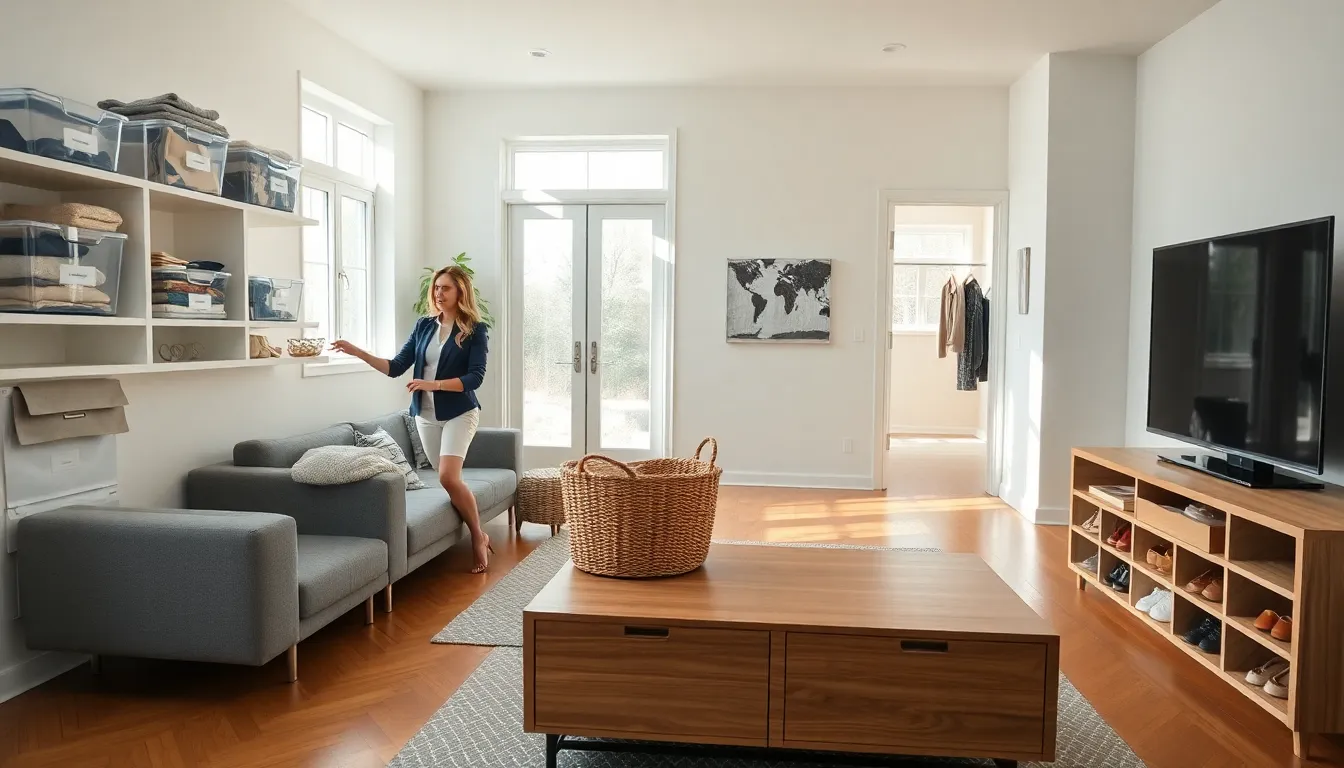

A home organization guide can transform chaotic living spaces into functional, stress-free environments. Clutter builds up faster than most people realize. Junk mail piles on counters, clothes overflow from closets, and kitchen drawers become catch-alls for random items. The result? Wasted time searching for things and constant low-level frustration.
The good news is that getting organized doesn’t require a complete lifestyle overhaul. It takes a clear plan, some practical strategies, and consistent habits. This home organization guide breaks down the process into manageable steps that anyone can follow, no professional organizer required.
Table of Contents
ToggleKey Takeaways
- Start your home organization guide journey by decluttering first—organizing clutter just creates neat-looking clutter.
- Use the four-category sorting method (keep, donate, trash, relocate) and apply the one-year rule for tough decisions.
- Organize each room based on its specific needs, storing items where they’re used and keeping daily essentials easily accessible.
- Measure spaces before buying storage solutions and avoid over-organizing—function matters more than perfection.
- Maintain your organized home with the “one in, one out” rule and daily 10-15 minute reset routines.
- Involve all household members in the organization system to ensure long-term success.
Start With a Decluttering Plan
Every successful home organization guide begins with decluttering. Before buying bins or installing shelves, people need to reduce what they own. Organizing clutter just creates neat-looking clutter.
The first step is to pick a starting point. Many experts recommend beginning with the easiest space, a single drawer, a bathroom cabinet, or a coat closet. Quick wins build momentum and make larger projects feel less overwhelming.
Next, sort items into four categories:
- Keep: Items used regularly or genuinely loved
- Donate: Good-condition items that no longer serve a purpose
- Trash: Broken, expired, or worn-out items
- Relocate: Things that belong in a different room
The “one-year rule” helps with tough decisions. If something hasn’t been used in 12 months, it’s probably safe to let go. Sentimental items get a pass, but be honest, not everything holds real meaning.
Set a realistic timeline for decluttering. Trying to purge an entire house in a weekend leads to burnout. Instead, schedule 15-30 minute sessions daily or tackle one room per week. Consistency beats intensity every time.
Room-by-Room Organization Strategies
A solid home organization guide addresses each space differently. Kitchens have different needs than bedrooms, and closets require different solutions than living rooms.
Kitchen and Pantry
The kitchen sees more daily traffic than any other room. Start by emptying cabinets and drawers completely. Check expiration dates on food, spices, and condiments. Most households discover items that expired years ago.
Group similar items together. Store baking supplies in one area, daily dishes within easy reach, and rarely-used appliances in harder-to-access spots. Vertical dividers keep cutting boards and baking sheets organized. Drawer organizers prevent utensils from becoming a jumbled mess.
For pantry organization, clear containers work better than original packaging. They stack efficiently, show contents at a glance, and keep food fresher. Label everything, it takes seconds and saves minutes of searching later.
Bedrooms and Closets
Bedrooms should feel calm and restful. Remove items that don’t belong there, exercise equipment, work materials, and random storage boxes create visual noise.
Closet organization starts with a clothing purge. Try the hanger trick: turn all hangers backward, then flip them as items get worn. After three months, anything still backward probably isn’t getting used.
Maximize vertical space in closets. Double hanging rods instantly double capacity for shorter items like shirts and jackets. Shelf dividers keep stacked clothes from toppling. Over-door organizers hold shoes, accessories, or cleaning supplies without taking floor space.
Storage Solutions That Actually Work
No home organization guide is complete without addressing storage. But here’s the catch, buying storage products before decluttering wastes money. Organize first, then identify what storage solutions are actually needed.
Effective storage follows three principles:
- Store items where they’re used. Keys belong by the door, not in a bedroom drawer. Cleaning supplies should live on each floor of a multi-story home.
- Make frequently-used items accessible. Daily essentials deserve prime real estate. Seasonal or occasional items can go higher up or in less convenient spots.
- Use containers that fit the space. Measure before buying. A bin that’s two inches too wide becomes useless clutter itself.
Some storage investments pay off quickly. Drawer dividers prevent the “junk drawer” problem from spreading. Under-bed containers maximize unused space in bedrooms. Wall-mounted hooks and racks keep floors clear in entryways and bathrooms.
Avoid the temptation to over-organize. Not everything needs a labeled container. Sometimes a simple basket or box does the job perfectly. The goal is function, not Instagram-worthy perfection.
Maintaining an Organized Home
Getting organized is one thing. Staying organized is another challenge entirely. This home organization guide wouldn’t be complete without maintenance strategies.
The “one in, one out” rule prevents accumulation. For every new item that enters the home, one similar item leaves. Buy a new shirt? Donate an old one. This simple habit keeps closets and storage from overflowing.
Daily reset routines make a huge difference. Spending 10-15 minutes each evening putting things back where they belong prevents small messes from becoming big problems. Some families assign each person a specific area to maintain.
Weekly mini-sessions keep organization on track. Pick one drawer, shelf, or cabinet to review each week. Quick touch-ups prevent the need for major overhauls later.
Paper clutter deserves special attention. Deal with mail immediately, sort it over a recycling bin. Go paperless for bills and statements when possible. Create a simple filing system for documents that must be kept.
Finally, involve everyone in the household. Organization systems only work when all members know them and follow them. Kids can learn to put toys away, partners can maintain shared spaces, and everyone benefits from a calmer home environment.