
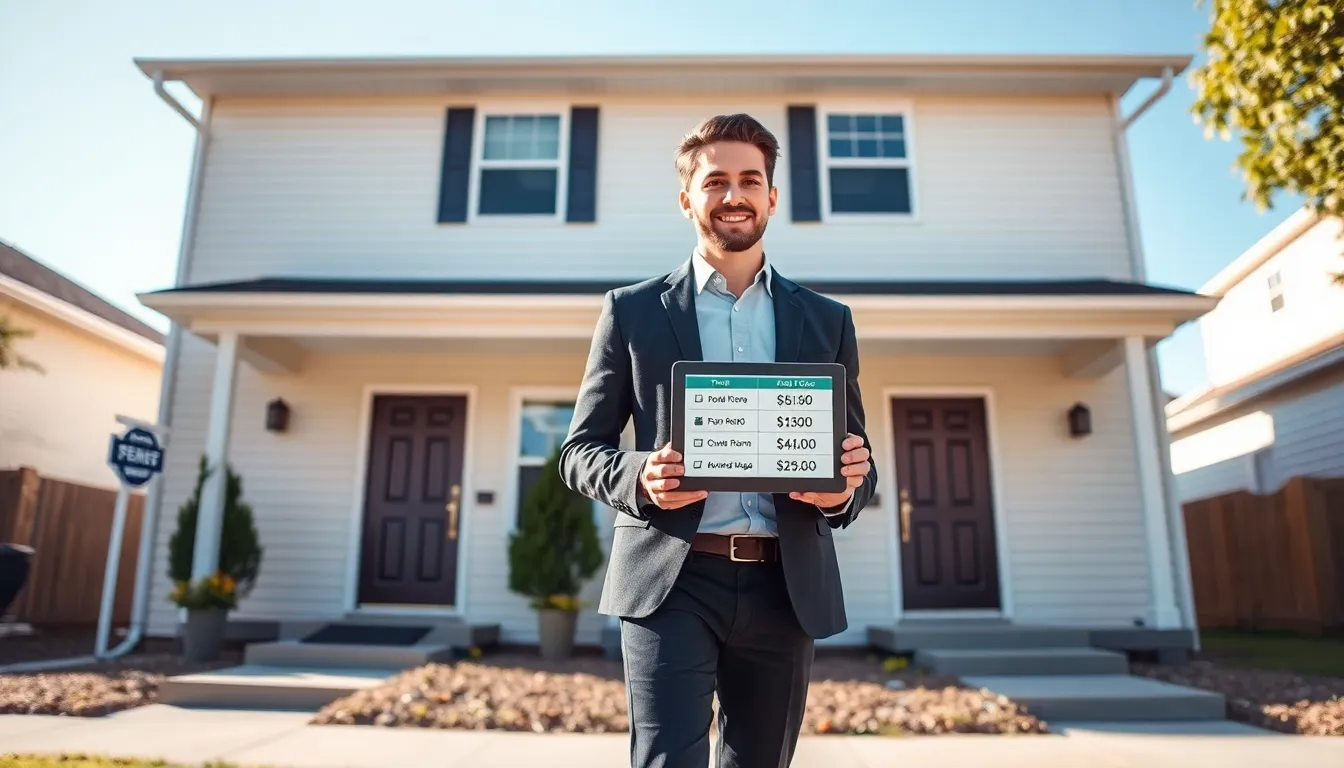
What is house hacking? It’s a real estate strategy that lets property owners offset their mortgage by renting out part of their home. Many beginners use house hacking to reduce living expenses, or eliminate them entirely.
The concept is simple. Buy a property, live in one section, and rent out the rest. Tenants pay rent. That rent covers the mortgage. The owner lives for free, or close to it.
House hacking has gained popularity among first-time buyers and young investors. It provides a path to homeownership without the full financial burden. This guide breaks down how house hacking works, common strategies, benefits, drawbacks, and steps to get started.
Table of Contents
ToggleKey Takeaways
- House hacking is a real estate strategy where property owners offset or eliminate their mortgage by renting out part of their home.
- Common house hacking strategies include buying multi-family properties, renting spare rooms, building ADUs, or listing short-term rentals.
- Owner-occupied financing options like FHA loans allow house hackers to get started with as little as 3.5% down.
- Rental income from house hacking can help you build equity faster while tenants essentially pay down your mortgage.
- Before starting, research local zoning laws, rental regulations, and HOA restrictions that may affect your house hacking plans.
- Successful house hacking requires preparation for landlord duties, including tenant screening, lease management, and maintaining financial reserves for vacancies.
How House Hacking Works
House hacking works by turning a primary residence into an income-producing asset. The owner lives on-site while collecting rent from other units or rooms.
Here’s a typical scenario. Someone buys a duplex for $300,000. They live in one unit and rent the other for $1,500 per month. Their mortgage payment is $1,800. The rental income covers most of the cost. The owner pays just $300 out of pocket.
Some house hackers go further. They rent out multiple rooms or units until rental income exceeds the mortgage. In these cases, the property generates positive cash flow from day one.
The key difference from traditional landlording? The owner lives in the building. This allows access to owner-occupied financing, which often means lower down payments and better interest rates. FHA loans, for example, require just 3.5% down for owner-occupied properties.
House hacking also qualifies owners for certain tax benefits. They can deduct expenses related to the rental portion of their property, things like repairs, insurance, and depreciation.
Common House Hacking Strategies
Several house hacking strategies exist, and the right choice depends on budget, risk tolerance, and lifestyle preferences.
Multi-Family Properties
Buying a duplex, triplex, or fourplex is the most straightforward approach. The owner occupies one unit and rents the others. Properties with two to four units still qualify for residential financing, making them accessible to first-time buyers.
Renting Spare Rooms
Single-family homeowners can rent out extra bedrooms. This strategy works well in areas with high demand from students, young professionals, or traveling workers. Platforms like Roommates.com help connect owners with potential tenants.
Accessory Dwelling Units (ADUs)
An ADU is a secondary living space on a single-family lot. It could be a basement apartment, garage conversion, or backyard cottage. Many cities have relaxed zoning laws to encourage ADU construction. Owners build or convert these spaces, then rent them out.
Short-Term Rentals
Some house hackers use platforms like Airbnb or VRBO. They rent out a room, basement, or detached unit to short-term guests. This approach can generate higher income than traditional leases, but it requires more management and may face local regulations.
Rent-by-the-Room
Instead of renting an entire unit to one tenant, owners rent individual rooms to multiple tenants. This strategy often produces more total income. A four-bedroom house rented at $600 per room brings in $2,400, likely more than a single-family lease would.
Benefits of House Hacking
House hacking offers several financial and lifestyle advantages.
Reduced Housing Costs
The primary benefit is obvious: lower or eliminated housing payments. Rental income directly offsets the mortgage. Many house hackers live rent-free while building equity.
Easier Entry Into Real Estate Investing
House hacking serves as a low-risk introduction to property investment. Owner-occupied loans require smaller down payments. Living on-site makes property management simpler. New investors learn landlord skills without committing to a separate rental property.
Faster Wealth Building
Money saved on housing can go toward investments, emergency funds, or paying down debt. Someone who saves $1,500 per month through house hacking accumulates $18,000 per year. Over five years, that’s $90,000, plus investment returns.
Equity Growth
Tenants essentially pay down the owner’s mortgage. Each payment builds equity. When the owner eventually sells or refinances, they capture that accumulated value.
Tax Advantages
House hackers can deduct rental-related expenses. Mortgage interest, property taxes, repairs, and depreciation all reduce taxable income on the rental portion of the property.
Potential Drawbacks to Consider
House hacking isn’t perfect. Several challenges deserve attention before diving in.
Reduced Privacy
Sharing a property with tenants means less personal space. Noise, shared common areas, and close proximity can create friction. This trade-off bothers some people more than others.
Landlord Responsibilities
Owners become landlords. They handle maintenance requests, collect rent, and address tenant issues. Screening tenants, managing leases, and dealing with vacancies all take time and energy.
Financial Risk
Vacancies happen. If a unit sits empty, the owner covers the full mortgage. Unexpected repairs, a broken furnace or roof leak, can strain budgets. House hackers need reserves to handle these situations.
Tenant Complications
Living next to problem tenants creates stress. Late rent payments, lease violations, or personality conflicts become harder to escape when the owner lives on-site.
Zoning and Legal Restrictions
Some areas restrict rental activities. HOAs may prohibit renting. Local laws might limit short-term rentals or ADUs. Research local regulations before committing to a house hacking strategy.
How to Get Started With House Hacking
Ready to try house hacking? Follow these steps to set yourself up for success.
Step 1: Assess Your Finances
Check credit scores, savings, and debt-to-income ratio. Most lenders want credit scores above 620 for FHA loans. Calculate how much you can afford for a down payment and monthly payments.
Step 2: Research Your Market
Study rental rates in target neighborhoods. Compare multi-family property prices to potential rental income. Look for areas with strong rental demand and reasonable purchase prices.
Step 3: Choose Your Strategy
Decide which house hacking approach fits your situation. Multi-family properties offer clear unit separation. Room rentals require less capital but more shared living. ADUs need construction or renovation budgets.
Step 4: Get Pre-Approved
Speak with lenders about owner-occupied financing options. FHA, VA, and conventional loans each have different requirements and benefits. Pre-approval shows sellers you’re a serious buyer.
Step 5: Find the Right Property
Work with a real estate agent who understands investment properties. Run the numbers on each potential purchase. Calculate expected rental income, expenses, and cash flow.
Step 6: Prepare for Landlord Duties
Learn local landlord-tenant laws. Draft lease agreements. Set up systems for rent collection and maintenance tracking. Consider whether you’ll self-manage or hire a property manager.