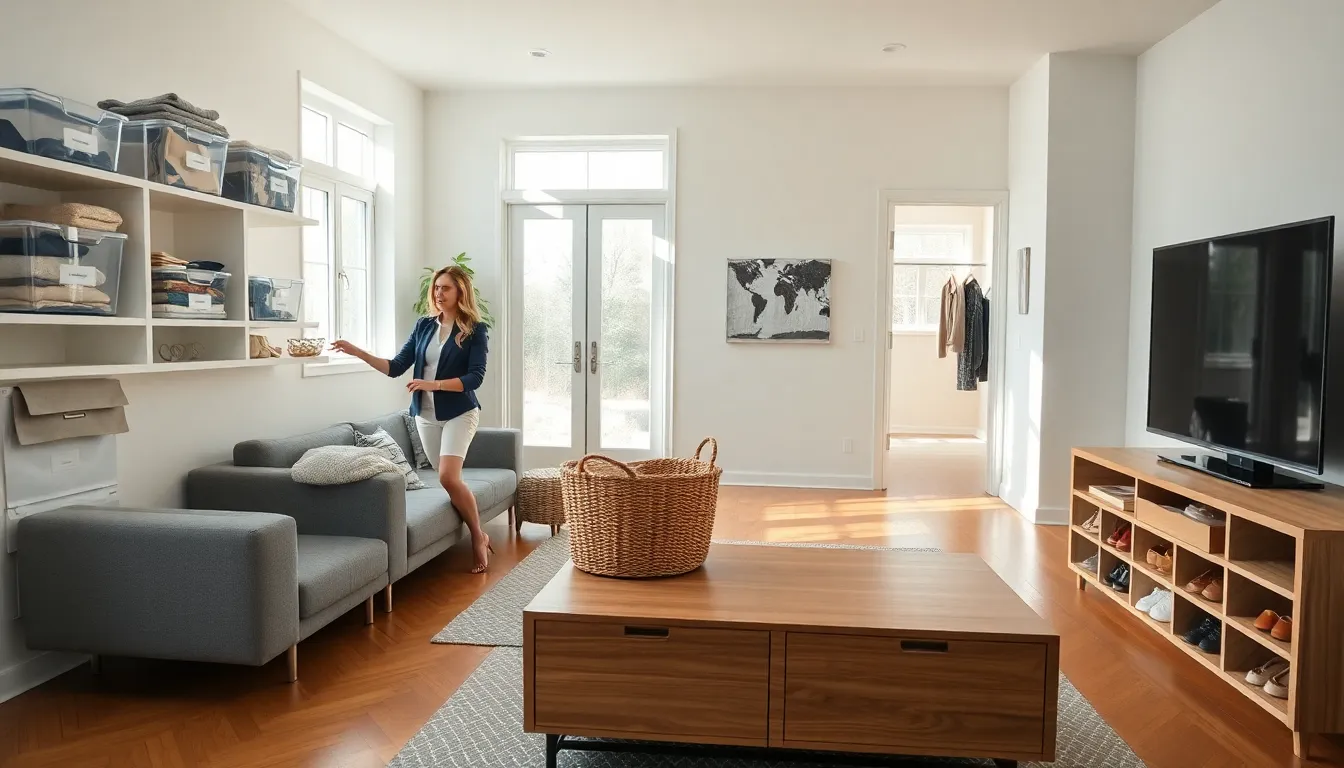
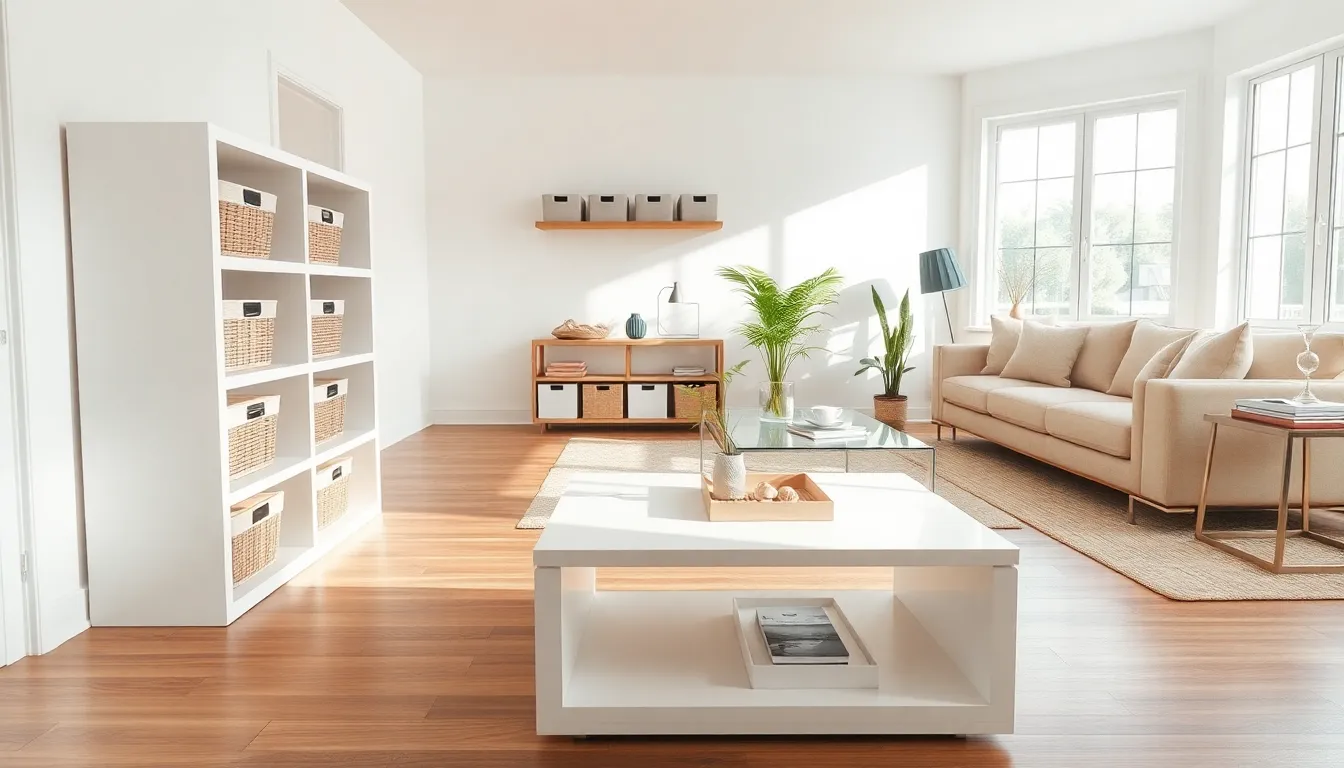
Home organization is the process of arranging, sorting, and storing belongings in a way that creates a functional and clutter-free living space. Many people struggle with disorganized homes, leading to wasted time, increased stress, and lost productivity. A well-organized home makes daily routines easier and improves overall quality of life.
This guide explains what home organization involves, why it matters, and how anyone can start transforming their space. Whether someone lives in a small apartment or a large house, these strategies apply to every situation.
Table of Contents
ToggleKey Takeaways
- Home organization is the intentional process of arranging and storing belongings to create a functional, clutter-free living space.
- An organized home saves time, reduces stress, improves productivity, and prevents wasteful duplicate purchases.
- Always declutter before organizing—sorting items into keep, donate, sell, and trash categories reveals what actually needs storage.
- Assign every item a designated spot and store things near where they’re used most often for easier maintenance.
- Start small with one drawer or shelf, then build momentum with consistent 15-30 minute daily organizing sessions.
- Create maintenance habits like a five-minute evening reset and monthly declutter sessions to keep your home organization systems working long-term.
Understanding Home Organization
Home organization refers to the intentional arrangement of items within a living space. It involves deciding what to keep, what to discard, and where each item belongs. The goal is to create systems that make finding and storing things simple.
Many people confuse home organization with cleaning, but they serve different purposes. Cleaning removes dirt and sanitizes surfaces. Home organization focuses on structure and placement. A clean home can still be disorganized, and an organized home still requires regular cleaning.
Effective home organization considers three main factors:
- Functionality: Items should be stored where they are used most often
- Accessibility: Frequently used items need easy access
- Aesthetics: The arrangement should look pleasant and feel calm
Home organization also adapts to individual lifestyles. A family with young children needs different systems than a single professional. The best approach matches the specific needs of the people living in the space.
Key Benefits of an Organized Home
An organized home offers practical and emotional advantages. Research from the Princeton Neuroscience Institute shows that clutter competes for attention and reduces working memory. When spaces are clear, people focus better and feel less overwhelmed.
Saves Time
The average American spends 2.5 days per year searching for lost items, according to a Pixie survey. Home organization eliminates this problem. When everything has a designated spot, finding keys, documents, or clothes takes seconds instead of minutes.
Reduces Stress
Clutter triggers cortisol production, the body’s stress hormone. A study published in the Personality and Social Psychology Bulletin found that people who described their homes as cluttered were more likely to be depressed and fatigued. Home organization creates calm environments that support mental well-being.
Improves Productivity
Organized spaces help people complete tasks faster. They spend less time looking for supplies and more time doing actual work. This applies to home offices, kitchens, and any area where activities happen.
Saves Money
Disorganization leads to duplicate purchases. People buy items they already own because they can’t find them. Home organization prevents this waste and helps households track what they have.
Core Principles of Effective Home Organization
Successful home organization follows several proven principles. These concepts apply regardless of home size or budget.
Declutter First
Organizing clutter just creates organized clutter. The first step always involves reducing possessions. Most organizing experts recommend sorting items into four categories: keep, donate, sell, and trash. This process reveals what actually needs storage space.
One In, One Out
This rule prevents future clutter buildup. Every time a new item enters the home, an old item leaves. It maintains balance and stops the gradual accumulation that leads to disorganization.
Assign Everything a Home
Every single item needs a designated storage location. This principle forms the foundation of home organization. When items don’t have assigned spots, they end up on counters, floors, and random surfaces.
Store Items Near Their Use Point
Pot holders belong near the stove. Cleaning supplies belong near areas that need cleaning. This principle reduces steps and makes maintaining organization easier.
Use Vertical Space
Walls, door backs, and cabinet interiors offer storage opportunities. Shelves, hooks, and over-door organizers maximize space without expanding floor footprint. Many homes underutilize vertical storage potential.
Room-by-Room Organization Strategies
Each room presents unique home organization challenges. These strategies address common problem areas.
Kitchen
Kitchens contain many small items that need accessible storage. Group similar items together, baking supplies in one area, spices in another. Use drawer dividers for utensils and clear containers for dry goods. Empty the refrigerator weekly to prevent expired food buildup.
Bedroom
Clothes and accessories dominate bedroom organization. Rotate seasonal wardrobes to free closet space. Use under-bed storage for items needed less frequently. Keep nightstands minimal, a lamp, book, and phone charger usually suffice.
Bathroom
Bathrooms have limited space and high humidity. Use waterproof containers and avoid cardboard storage. Group toiletries by person or function. Regularly discard expired medications and old cosmetics.
Living Room
This room serves multiple purposes, entertainment, relaxation, and socializing. Use baskets and ottomans with hidden storage. Create zones for different activities. Keep surfaces clear except for intentional decorative items.
Home Office
Papers represent the biggest home office challenge. Establish a filing system and process documents immediately rather than creating piles. Use cable management solutions to reduce visual clutter. Position frequently used supplies within arm’s reach.
How to Get Started With Home Organization
Starting home organization can feel overwhelming, but a strategic approach makes it manageable.
Start Small
Begin with a single drawer, shelf, or small closet. Completing one area builds momentum and confidence. Attempting to organize an entire home at once leads to burnout and abandoned projects.
Set a Timer
Dedicate 15-30 minutes daily to home organization rather than marathon sessions. Consistent short efforts produce better long-term results than exhausting weekend projects.
Gather Supplies First
Before starting, collect trash bags, boxes for donations, labels, and any storage containers needed. Having supplies ready prevents interruptions and excuses.
Create Maintenance Habits
Home organization isn’t a one-time event. Daily habits maintain systems over time. Spend five minutes each evening returning items to their homes. Do a quick declutter session monthly.
Ask for Help When Needed
Professional organizers assist people who feel stuck. They provide objective perspectives and proven systems. Friends and family can also help, sometimes an outside view identifies solutions the homeowner missed.