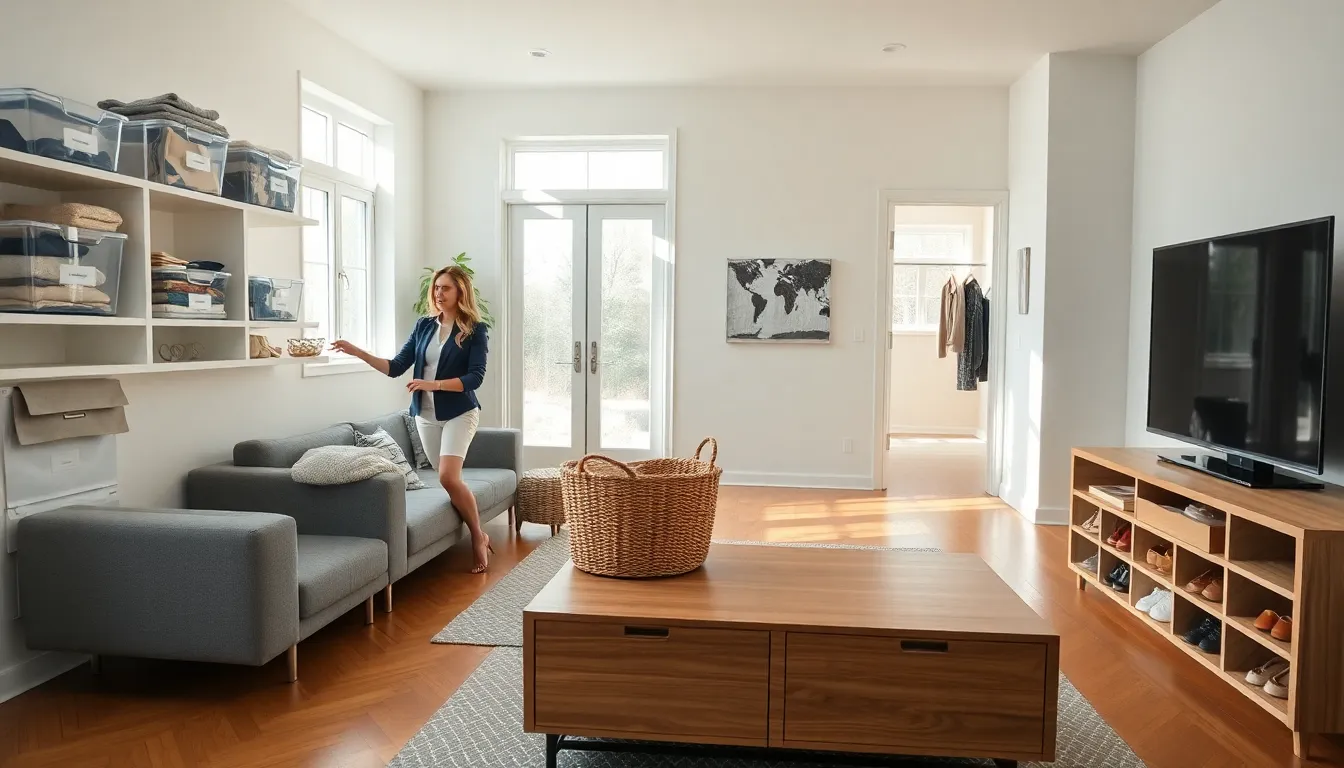
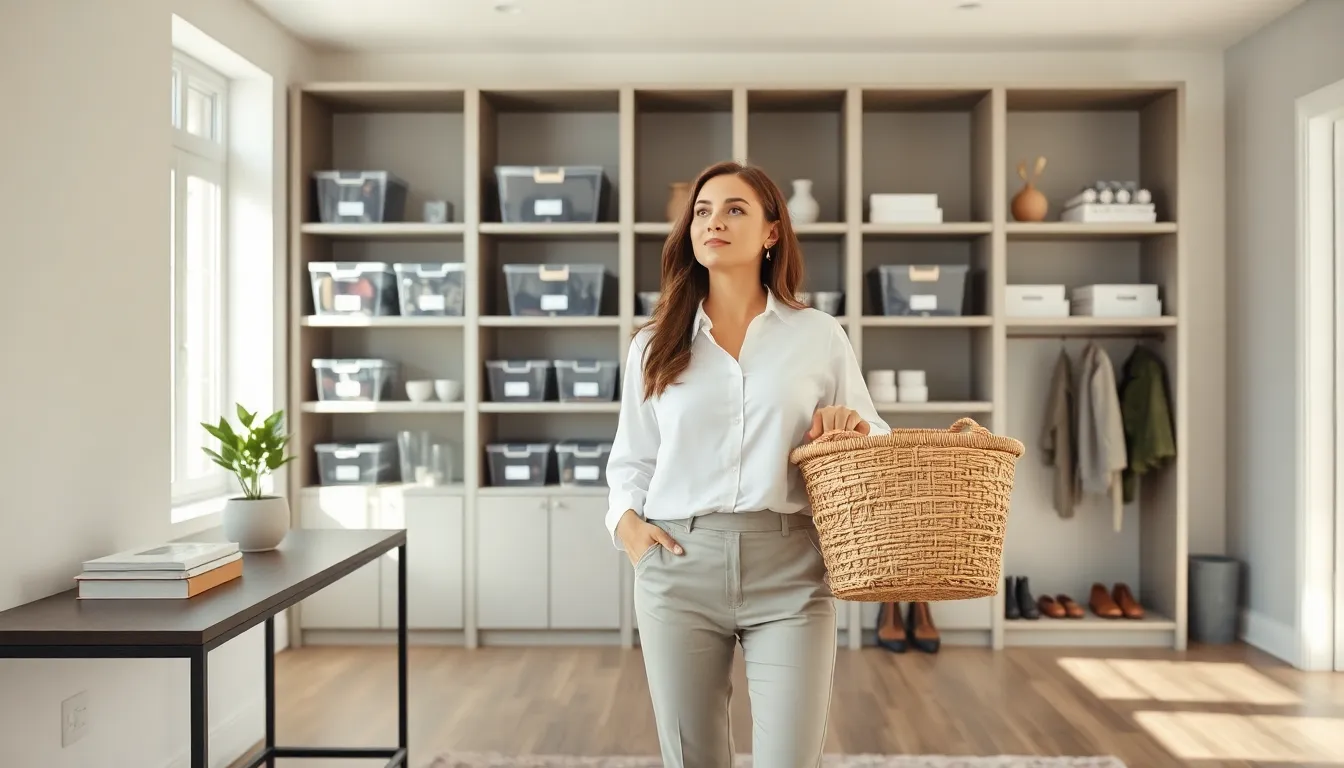
Top home organization doesn’t require a complete lifestyle overhaul or an expensive professional organizer. It starts with practical strategies that fit real life. A cluttered home creates stress, wastes time, and makes daily routines harder than they need to be. The average American spends 2.5 days per year searching for lost items, that’s time better spent elsewhere.
This guide covers proven decluttering methods, room-specific solutions, essential storage tools, and habit-building techniques. Whether someone wants to tackle a chaotic closet or completely transform their living space, these top home organization tips deliver real results.
Table of Contents
ToggleKey Takeaways
- Top home organization starts with decluttering using proven methods like the Four-Box technique and the 90/90 Rule to make decisive choices about what stays.
- Start small with a single drawer or shelf to build momentum—weekend marathons often lead to burnout and unfinished projects.
- Zone each room by activity and use clear, labeled containers to create visual systems that everyone in the household can follow.
- Essential storage tools like shelf dividers, over-door organizers, and lazy Susans maximize space without breaking the budget.
- Build sustainable habits with a daily 10-15 minute reset and the “Don’t Put It Down, Put It Away” rule to prevent clutter from returning.
- Get the whole household involved in maintaining organization systems—when everyone contributes, top home organization becomes a lasting lifestyle change.
Decluttering Strategies That Actually Work
Decluttering forms the foundation of any successful home organization project. Without removing excess items first, organizing becomes a game of rearranging clutter.
The Four-Box Method
This classic approach works because it forces decisions. Grab four boxes and label them: Keep, Donate, Trash, and Relocate. Pick one area, a drawer, shelf, or corner, and sort every item into a box. No “maybe” pile allowed. That hesitation usually means the item should go.
The 90/90 Rule
Ask two questions about each item: “Have I used this in the last 90 days?” and “Will I use it in the next 90 days?” If both answers are no, the item probably doesn’t deserve space in the home. This rule cuts through emotional attachment and focuses on actual use.
Start Small, Build Momentum
Many people fail at top home organization because they tackle too much at once. A weekend marathon often leads to burnout and unfinished projects. Instead, start with a single drawer or one shelf. Complete it fully. That sense of accomplishment fuels motivation for bigger areas.
The One-In-One-Out Rule
Once decluttering is complete, maintain progress with this simple boundary: for every new item that enters the home, one similar item leaves. Bought a new sweater? Donate an old one. This prevents clutter from rebuilding over time.
Room-by-Room Organization Solutions
Different spaces need different approaches. What works in a bedroom won’t necessarily work in a kitchen. Here’s how to apply top home organization principles to specific rooms.
Kitchen and Pantry
Kitchens see heavy daily traffic, so organization here makes an immediate difference in quality of life.
Clear containers transform pantry chaos into a visual system. Decant dry goods like pasta, rice, and cereal into uniform containers. Labels help everyone in the household find (and return) items properly.
Vertical space often goes unused. Add shelf risers inside cabinets to double storage capacity. Mount hooks inside cabinet doors for measuring cups, pot lids, or cleaning supplies.
Zone your kitchen by activity. Keep coffee mugs near the coffee maker. Store cutting boards near prep areas. Place everyday dishes within easy reach and rarely-used items up high. This reduces movement and speeds up cooking.
The pantry FIFO method (First In, First Out) prevents food waste. When restocking, move older items to the front and place new purchases in the back. Grocery stores use this system, it works at home too.
Closets and Bedrooms
Closets often become dumping grounds for “I’ll deal with it later” items. Reclaiming this space brings calm to the entire bedroom.
Matching hangers instantly elevate closet appearance and function. Slim velvet hangers create more space than plastic ones and prevent clothes from slipping. Color-code or organize by category for quick outfit selection.
Drawer dividers turn jumbled chaos into organized sections. Assign specific spots for socks, underwear, accessories, and folded items. When everything has a designated home, putting things away takes seconds.
Under-bed storage captures valuable square footage. Use flat bins for off-season clothing, extra bedding, or shoes. Vacuum storage bags compress bulky items like winter coats or comforters.
Nightstand minimalism improves sleep quality. Limit bedside items to essentials: a lamp, phone charger, current book, and perhaps a small plant. Clutter near the bed creates visual noise that disrupts relaxation.
Essential Storage Tools and Systems
The right tools make home organization easier to achieve and maintain. Investing in quality storage solutions pays off through years of use.
Clear bins with labels work in almost every room. Visibility matters, people actually use what they can see. Label makers or simple masking tape and marker keep everyone on the same system.
Shelf dividers prevent stacks from toppling in closets and linen cupboards. They’re especially useful for separating purses, clutches, or folded sweaters.
Over-door organizers add storage without taking floor space. Use them for shoes, accessories, cleaning supplies, or toiletries. The back of almost any door represents unused real estate.
Drawer organizers come in expandable versions that fit various drawer sizes. Bamboo options look clean and last longer than plastic alternatives.
Lazy Susans solve corner cabinet problems. They work great for spices, condiments, cleaning supplies, or bathroom products. A quick spin reveals everything, no more digging through dark cabinet corners.
Vertical file organizers aren’t just for offices. Use them in kitchens for cutting boards and baking sheets, or in bathrooms for hair tools. They keep flat items accessible without stacking.
Top home organization doesn’t require spending hundreds on fancy systems. Dollar stores and thrift shops often have basic bins and containers that function identically to premium brands.
Building Sustainable Organization Habits
Organization isn’t a one-time project, it’s an ongoing practice. Without maintenance habits, even the most organized space returns to chaos within months.
The Daily Reset
Spend 10-15 minutes each evening returning items to their homes. This prevents small messes from becoming overwhelming problems. Put it on the calendar like any other appointment until it becomes automatic.
Weekly Maintenance Sessions
Pick one day per week for a quick review of problem areas. Maybe it’s straightening the pantry on Sundays or reorganizing the entryway on Fridays. Consistent small efforts beat occasional marathon sessions.
The “Don’t Put It Down, Put It Away” Rule
This simple phrase changes behavior fast. Instead of dropping mail on the counter, walk it to the designated spot. Instead of leaving shoes by the door, take the extra 30 seconds to put them in the closet. These micro-decisions compound over time.
Monthly Declutter Check-Ins
Set a monthly reminder to scan each room for items that have accumulated or no longer serve a purpose. A quick 15-minute sweep each month prevents the need for major decluttering sessions later.
Get the Whole Household Involved
Top home organization fails when only one person maintains the system. Hold a family meeting to assign responsibilities and explain where things belong. Kids can participate with age-appropriate tasks. When everyone contributes, the system sustains itself.