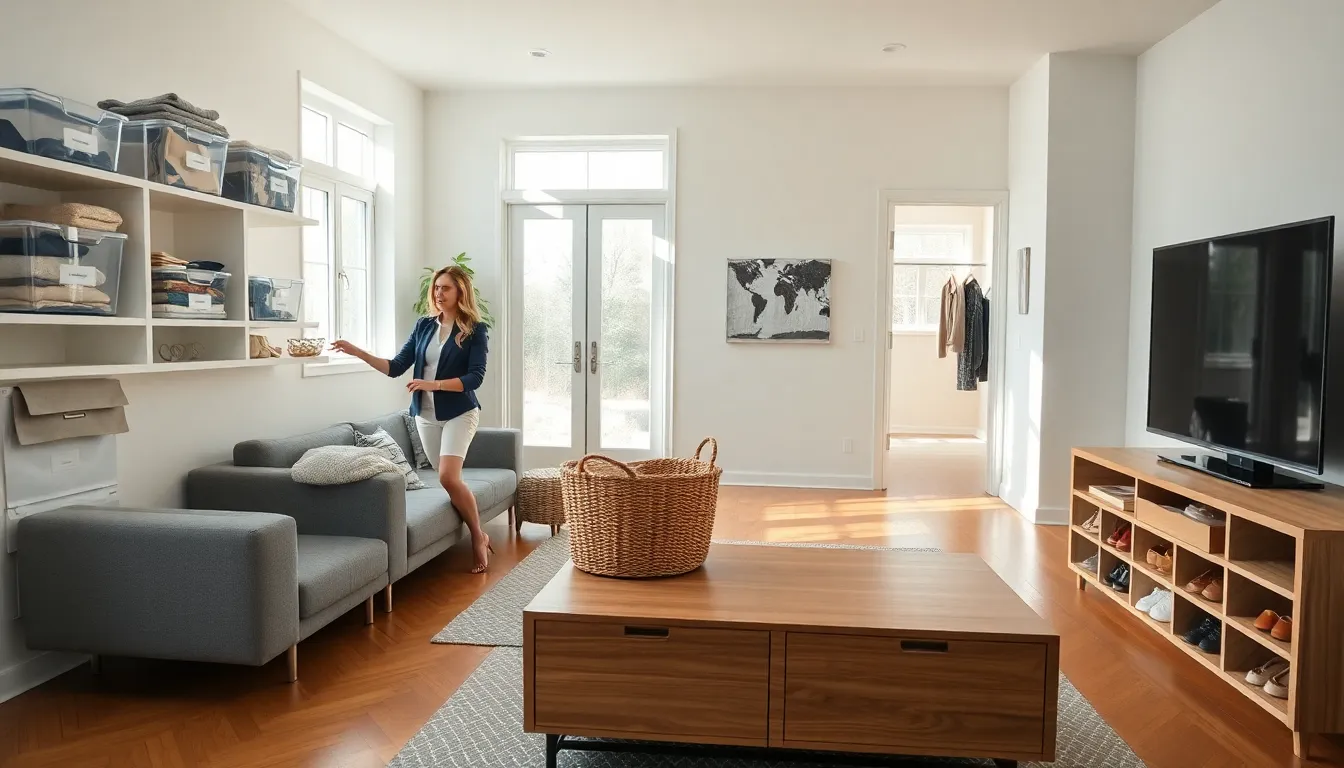

Learning how to home organization works can transform a cluttered space into a functional, stress-free environment. Many people struggle with disorganized homes, but the solution doesn’t require expensive consultants or weekend-long overhauls. It requires a systematic approach and the willingness to make lasting changes.
This guide breaks down home organization into manageable steps. Readers will learn how to create a plan, declutter effectively, choose storage solutions, and build habits that keep spaces tidy long-term. Whether someone faces overflowing closets, chaotic kitchens, or general household disorder, these strategies offer practical solutions that work.
Table of Contents
ToggleKey Takeaways
- Successful home organization starts with a clear plan, specific goals, and dedicated time blocked on your calendar.
- Focus on one room or zone at a time to avoid overwhelm and maintain momentum throughout the process.
- Declutter before organizing—use the four-box method (Keep, Donate, Trash, Relocate) to reduce items before finding storage solutions.
- Choose storage solutions that prioritize visibility, vertical space, and match your daily usage patterns.
- Build maintenance habits like a 10-minute daily reset and the “one in, one out” rule to keep your home organization systems working long-term.
- Involve your entire household by assigning responsibilities and keeping systems simple so everyone can participate.
Start With a Clear Plan and Realistic Goals
Every successful home organization project starts with a plan. Without one, people often jump from task to task, never finishing anything completely. This leads to frustration and abandoned efforts.
First, identify the problem areas. Walk through the home and note which spaces cause the most stress. Is it the overflowing garage? The bedroom closet that won’t close? The kitchen counters buried under appliances? Write these down.
Next, set specific, measurable goals. “Get organized” is too vague. Instead, try goals like “Clear out the hall closet by Saturday” or “Reduce kitchen drawer contents by 50%.” These targets give clear direction and a sense of accomplishment when completed.
Consider the time available. Home organization takes longer than most people expect. A single closet might need two to three hours. A garage could take an entire weekend. Block out dedicated time on the calendar, treating it like any other important appointment.
Finally, gather supplies before starting. Basic items include trash bags, donation boxes, labels, and cleaning supplies. Having everything ready prevents interruptions that derail momentum.
Tackle One Room at a Time
The biggest mistake in home organization is trying to do everything at once. This approach overwhelms and exhausts. Instead, focus on one room, or even one section of a room, at a time.
Start with a space that will make the biggest impact. For some, that’s the entryway because they see it every day. For others, it’s the bedroom because a calm sleeping space improves rest. Choose the area that will provide the most motivation to continue.
Within each room, break the work into zones. In a kitchen, this might mean tackling the pantry first, then the cabinets under the sink, then the junk drawer. In a bedroom, start with the nightstand, move to the dresser, then address the closet.
Set a timer for 30-minute sessions. This technique, sometimes called “power organizing,” keeps energy high and prevents burnout. After each session, take a short break before continuing.
Document progress with photos. Before-and-after pictures serve as powerful motivation. They show how much has been accomplished and encourage continued effort on future home organization projects.
Declutter Before You Organize
Here’s a truth many people miss: organizing clutter is just rearranging clutter. True home organization requires reducing the volume of stuff first.
Use the four-box method for decluttering. Label four boxes or bags: Keep, Donate, Trash, and Relocate. Every single item must go into one of these categories. No exceptions. No “maybe” piles.
Ask honest questions about each item. Has it been used in the past year? Does it serve a current purpose? Would it be replaced if lost? If the answers are no, it’s time to let go.
Sentimental items present the hardest challenge. One effective strategy is limiting these to a single container. A memory box can hold photos, ticket stubs, and small keepsakes without taking over entire closets.
Don’t let donations pile up. Schedule a pickup or drop-off within 48 hours of filling a donation bag. Items left sitting tend to migrate back into the home.
Be ruthless with duplicates. Most households don’t need four can openers, seven half-empty bottles of lotion, or twelve mismatched food storage containers. Keep the best, donate or discard the rest.
Choose the Right Storage Solutions
After decluttering, the remaining items need proper homes. The right storage solutions make home organization sustainable.
Measure spaces before buying anything. That attractive basket on sale won’t help if it doesn’t fit the shelf. Bring measurements to the store or keep them saved on a phone.
Prioritize visibility. Clear containers let people see contents without opening them. This works especially well for pantries, craft supplies, and seasonal items in closets.
Use vertical space. Wall-mounted shelves, over-door organizers, and stackable bins multiply storage capacity without taking floor space. This proves particularly valuable in small homes or apartments.
Match storage to usage patterns. Items used daily should be at eye level and within easy reach. Seasonal items can go high or low. Rarely used items belong in attics, basements, or the backs of closets.
Labeling makes systems work for everyone in the household. A label maker or simple masking tape ensures family members return items to their designated spots.
Avoid over-buying storage products. This common mistake actually creates more clutter. Buy only what’s needed for the current project. Additional containers can come later if necessary.
Create Systems to Maintain Organization
Home organization isn’t a one-time event. It’s an ongoing practice. Without maintenance systems, clutter returns within weeks.
Establish daily reset routines. A 10-minute evening tidy-up keeps spaces from spiraling into chaos. During this time, put items back in their homes, clear flat surfaces, and prepare for the next day.
Follow the “one in, one out” rule. For every new item entering the home, one similar item leaves. This prevents accumulation and forces thoughtful purchasing decisions.
Create designated spots for problem items. Mail, keys, chargers, and bags need specific landing zones. When everything has a place, there’s no excuse for leaving it somewhere random.
Schedule regular maintenance sessions. A monthly 30-minute review of one area catches small problems before they become big ones. Quarterly deeper sessions keep home organization systems running smoothly.
Involve the whole household. Systems only work when everyone participates. Hold a family meeting to explain the new organization approach. Assign age-appropriate responsibilities. Make it easy for everyone to succeed by keeping systems simple and logical.