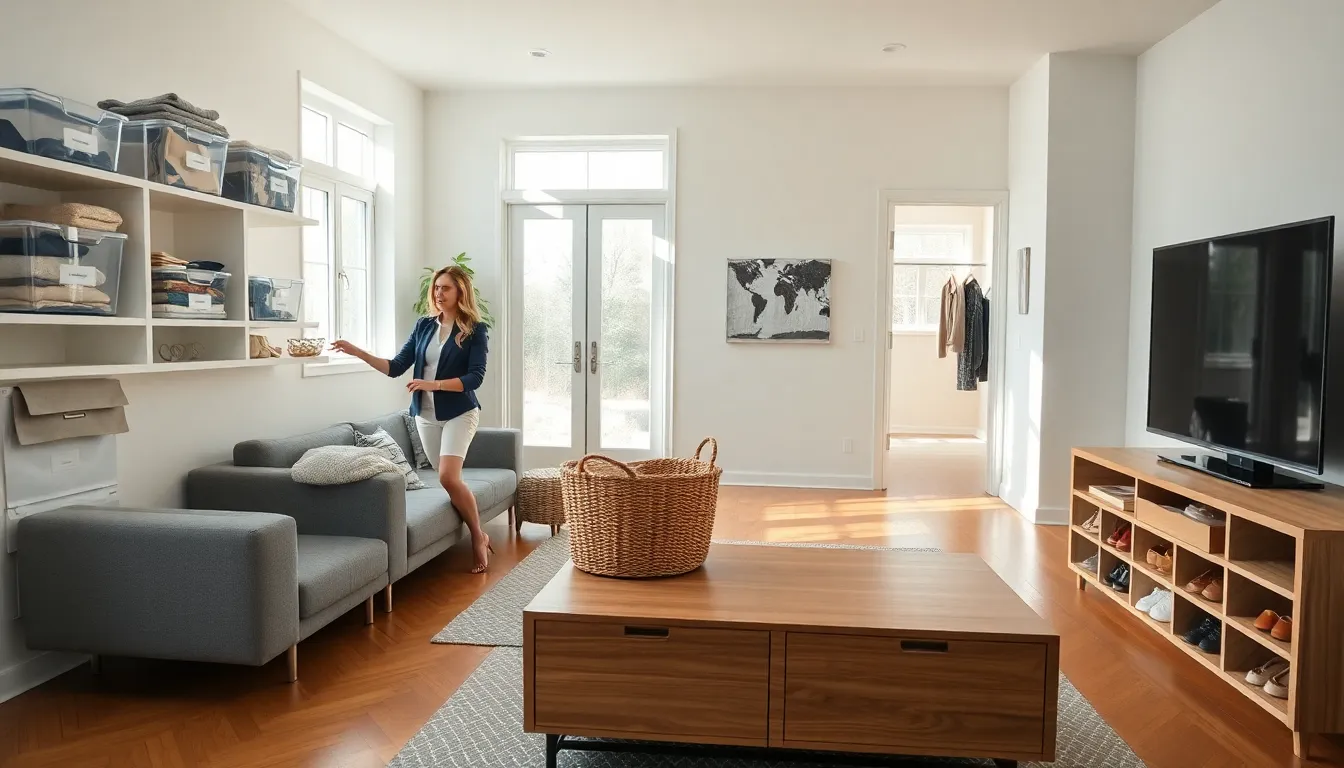

Home organization vs. professional organizing, it’s a decision many people face when clutter starts taking over their living spaces. Some homeowners prefer the hands-on DIY route, while others find value in hiring an expert. Both approaches have clear advantages, and the right choice depends on budget, time, and the scope of the project. This guide breaks down the key differences between home organization and professional organizing services, helping readers determine which method fits their situation best.
Table of Contents
ToggleKey Takeaways
- Home organization vs. professional organizing comes down to budget, time, and project scope—there’s no one-size-fits-all answer.
- DIY home organization costs less upfront ($50–$1,000 in supplies) but requires significant time investment that busy homeowners may not have.
- Professional organizers charge $50–$150 per hour and deliver faster results with custom systems designed around your actual habits.
- Choose DIY when dealing with small projects, tight budgets, or manageable clutter you feel motivated to tackle.
- Hire a professional when clutter feels overwhelming, previous attempts have failed, or you’re facing a major life transition like moving or downsizing.
- A hybrid approach—combining professional guidance with independent maintenance—offers the best of both worlds for many homeowners.
Understanding DIY Home Organization
DIY home organization puts the homeowner in full control of the decluttering process. This approach works well for people who enjoy hands-on projects and have the time to invest in sorting, purging, and arranging their belongings.
The DIY method typically starts with identifying problem areas. Closets, kitchens, garages, and home offices are common targets. Once a space is selected, the homeowner sorts items into categories: keep, donate, sell, or trash. Storage solutions like bins, shelves, and drawer organizers help maintain the new system.
Pros of DIY Home Organization
- Lower cost: The main expense involves storage products and containers.
- Flexible timeline: Homeowners can work at their own pace without scheduling appointments.
- Personal satisfaction: Completing a project independently feels rewarding.
- Privacy: No outside person needs access to personal belongings.
Cons of DIY Home Organization
- Time-intensive: Large projects can take weeks or months to complete.
- Emotional difficulty: Letting go of sentimental items proves challenging without outside perspective.
- Lack of expertise: Without professional training, homeowners may create systems that don’t last.
- Motivation gaps: It’s easy to start strong and lose steam halfway through.
Home organization requires patience and consistency. People who succeed with this approach usually set small, achievable goals. Tackling one drawer or one shelf at a time prevents overwhelm and builds momentum.
Benefits of Hiring a Professional Organizer
Professional organizers bring expertise, objectivity, and efficiency to home organization projects. They assess spaces quickly and create systems that match each client’s lifestyle and habits.
A professional organizer typically starts with a consultation. During this meeting, they evaluate the space, discuss goals, and outline a plan. Some organizers specialize in specific areas, closets, kitchens, home offices, or entire-home transformations. Others focus on particular situations like downsizing, moving, or managing hoarding tendencies.
Key Advantages of Professional Services
Speed and efficiency: What might take a homeowner several weekends can often be completed in a day or two with professional help. Organizers work systematically and stay focused on results.
Objective perspective: Emotional attachment to items clouds judgment. A professional provides neutral guidance, making it easier to part with things that no longer serve a purpose.
Custom systems: Professionals design organization systems based on how people actually use their spaces. These systems tend to stick because they’re built around real habits.
Accountability: Having an appointment on the calendar creates commitment. The presence of another person also reduces procrastination during the session.
Product knowledge: Professional organizers know which storage products work best for different situations. They save clients from buying items that won’t fit or function properly.
Professional organizing services benefit people who feel stuck, lack time, or want lasting results. The investment often pays off through reduced stress and improved daily function.
Cost Comparison: DIY vs. Professional Services
Cost plays a major role in the home organization vs. professional organizing decision. Understanding the true expenses of each option helps homeowners budget appropriately.
DIY Home Organization Costs
The DIY approach primarily involves purchasing storage products. Here’s a typical breakdown:
| Item | Estimated Cost |
|---|---|
| Plastic storage bins | $5–$30 each |
| Drawer organizers | $10–$50 |
| Closet systems | $50–$500 |
| Shelving units | $30–$200 |
| Labels and supplies | $10–$30 |
A single-room DIY project might cost $50–$200 in supplies. Whole-home organization could run $300–$1,000 or more, depending on the storage solutions selected.
The hidden cost? Time. Someone earning $30 per hour who spends 20 hours on a project effectively invests $600 worth of time.
Professional Organizing Costs
Professional organizers charge in several ways:
- Hourly rates: $50–$150 per hour, with most falling between $75–$100
- Day rates: $400–$800 for a full day of organizing
- Package deals: $500–$3,000 for multi-room or whole-home projects
These rates typically cover labor only. Storage products and supplies may be additional expenses.
The value equation shifts when factoring in results. Professional organizers complete projects faster and create systems with higher success rates. For busy professionals, the time savings alone can justify the cost.
When to Choose Each Approach
The best choice between home organization and professional organizing depends on individual circumstances. Here’s how to decide.
Choose DIY Home Organization When:
- Budget is tight: Limited funds make professional services impractical.
- The project is small: A single closet or drawer doesn’t warrant hiring help.
- Time is available: Homeowners with flexible schedules can spread work over several sessions.
- Strong motivation exists: Self-starters who enjoy organizing often succeed independently.
- The mess is manageable: Mild clutter responds well to basic sorting and storage solutions.
Choose Professional Organizing When:
- Time is scarce: Busy schedules make DIY projects drag on indefinitely.
- The clutter feels overwhelming: Large accumulations benefit from expert intervention.
- Previous attempts failed: Repeated unsuccessful efforts suggest a need for professional guidance.
- A major life change is happening: Moving, downsizing, or combining households creates complex organizing challenges.
- Emotional blocks exist: Difficulty parting with items requires objective support.
- Fast results matter: Upcoming events or home sales create deadlines.
The Hybrid Approach
Many people combine both methods successfully. They might hire a professional for an initial consultation and one organizing session, then maintain the system independently. Others tackle simple spaces on their own while bringing in help for problem areas like garages or basements.
This middle-ground approach balances cost savings with professional expertise. It also teaches homeowners organizing skills they can apply throughout their homes.