
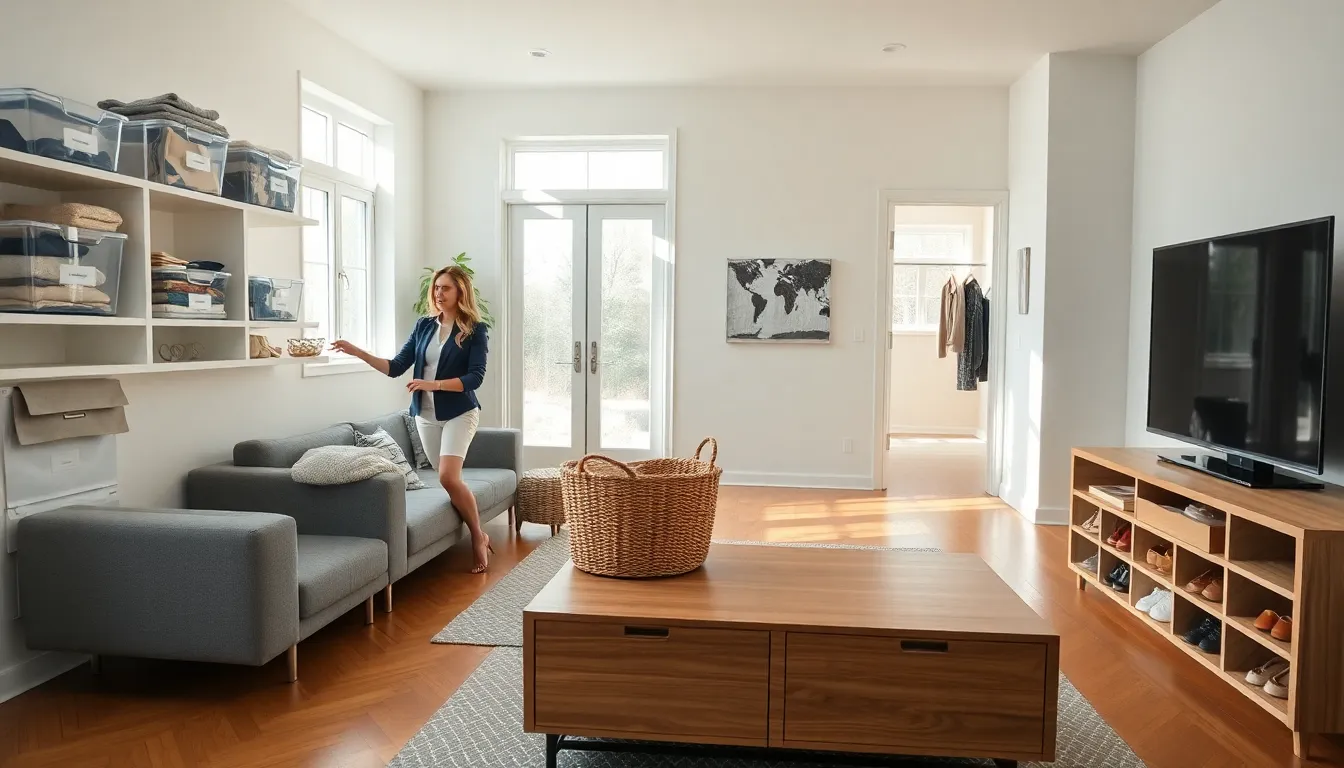
Home organization tips can transform a chaotic living space into a calm, functional home. Clutter builds up fast. Mail stacks on counters. Closets overflow. Drawers become catch-alls for random items nobody uses. The good news? Getting organized doesn’t require a complete lifestyle overhaul or expensive storage systems. It requires a plan, some practical habits, and a room-by-room approach that actually sticks. This guide covers proven strategies to declutter, maximize storage, and create daily routines that keep every room in order.
Table of Contents
ToggleKey Takeaways
- Start every home organization project by decluttering first using the four-box method: Keep, Donate, Trash, and Relocate.
- Maximize storage by thinking vertically with floating shelves, using hidden spaces like under-bed containers, and investing in multipurpose furniture.
- Build daily habits like the one-in, one-out rule and nightly 10-15 minute resets to prevent clutter from accumulating.
- Assign a designated home for every item so tidying becomes automatic and searching for lost belongings becomes rare.
- Tackle home organization room by room to make the process manageable and build momentum with visible progress.
- Label storage bins and containers to help everyone in the household return items to their correct spots.
Start With a Decluttering Plan
Every successful organization project starts with decluttering. Before buying bins or shelf organizers, people need to remove what they don’t need. A decluttering plan provides structure and prevents the process from feeling overwhelming.
Set Clear Goals
Define what “organized” looks like for each space. A kitchen might need clear countertops and accessible cookware. A bedroom might need a functional closet and nightstands free of clutter. Write these goals down. They serve as a roadmap throughout the process.
Use the Four-Box Method
Grab four boxes or bags and label them: Keep, Donate, Trash, and Relocate. Go through items one by one. Make quick decisions. If something hasn’t been used in a year, it’s time to let it go. The relocate box holds items that belong in other rooms, they’ll find their proper homes later.
Schedule Dedicated Time
Decluttering takes time. Block out specific hours on the calendar. Some people prefer tackling one room per weekend. Others do 15-minute sessions daily. Consistency matters more than speed. A realistic schedule prevents burnout and keeps momentum going.
Home organization tips work best when decluttering comes first. Organizing clutter just creates organized clutter, it doesn’t solve the problem.
Maximize Storage in Every Room
Once the excess is gone, smart storage solutions make remaining items accessible and tidy. The key is using vertical space, hidden areas, and multipurpose furniture.
Think Vertically
Walls hold untapped storage potential. Floating shelves display books and decor while freeing floor space. Over-the-door organizers work in closets, bathrooms, and pantries. Tall bookcases and stacking bins use height rather than sprawling outward.
Use Hidden Spaces
Under-bed storage containers hold seasonal clothing, extra linens, or shoes. Ottoman benches open to reveal blanket storage. The space beneath bathroom sinks fits tiered organizers for toiletries and cleaning supplies. These hidden spots keep items out of sight but within reach.
Invest in Multipurpose Furniture
A coffee table with drawers stores remotes, magazines, and coasters. A bed frame with built-in drawers eliminates the need for a separate dresser in small bedrooms. Entryway benches with cubbies hold shoes and bags. Every piece of furniture can pull double duty with the right selection.
Label Everything
Labels remove guesswork. They help everyone in the household return items to their correct spots. Clear bins with labels work well in pantries, playrooms, and garages. A label maker is a small investment that pays off in long-term organization.
Create Daily Habits That Maintain Order
Organization isn’t a one-time event. It’s a series of small habits practiced daily. These routines prevent clutter from building back up.
Follow the One-In, One-Out Rule
For every new item that enters the home, one similar item leaves. Buy a new shirt? Donate an old one. Get a new kitchen gadget? Remove one that collects dust. This rule keeps possessions at a manageable level and forces intentional purchasing.
Do a Nightly Reset
Spend 10-15 minutes each evening returning items to their designated spots. Put dishes in the dishwasher. Hang up coats. Clear the coffee table. Waking up to a tidy space sets a positive tone for the day and prevents small messes from snowballing.
Process Mail and Papers Immediately
Paper clutter accumulates fast. Sort mail the moment it arrives. Recycle junk mail right away. File important documents immediately. Pay bills promptly or set them in a designated spot. A “no piling” rule for papers keeps surfaces clear.
Assign a Home for Every Item
Keys go in a bowl by the door. Scissors stay in the desk drawer. Remotes live in a basket on the coffee table. When every item has a designated spot, tidying becomes automatic. Family members learn where things belong, and searching for lost items becomes rare.
These home organization tips work because they’re sustainable. Small daily actions prevent the need for major decluttering sessions later.
Organize Room by Room for Lasting Results
A whole-house overhaul feels daunting. Breaking the project into individual rooms makes it manageable and delivers visible progress along the way.
Kitchen
Start with the pantry. Group similar items together: baking supplies, canned goods, snacks, breakfast items. Use clear containers for dry goods like pasta, rice, and cereal. In cabinets, stack plates and bowls by size. Store frequently used items at eye level. Drawer dividers keep utensils separated and easy to find.
Bedroom
The closet deserves primary attention. Sort clothing by category: shirts, pants, dresses, jackets. Donate items that no longer fit or haven’t been worn recently. Use matching hangers for a clean look. Shelf dividers keep folded items from toppling. Nightstands should hold only essentials, a lamp, a book, maybe a phone charger.
Bathroom
Clear countertops create a spa-like feel. Store daily essentials in a small tray or basket. Use drawer organizers for makeup, hair tools, and grooming items. Under-sink storage with stackable bins maximizes cabinet space. Toss expired medications and products regularly.
Living Room
This high-traffic area needs smart storage for remotes, blankets, and media. A media console with closed storage hides cables and gaming equipment. Decorative baskets corral throw blankets. Built-in or freestanding bookcases display items while keeping them orderly.
Home Office
Paperwork requires a filing system, physical or digital. Desktop organizers hold pens, sticky notes, and supplies. Cable management solutions tame cord tangles. A clean desk surface promotes focus and productivity.
Tackling one room at a time builds confidence and creates momentum. Each organized space motivates progress in the next.