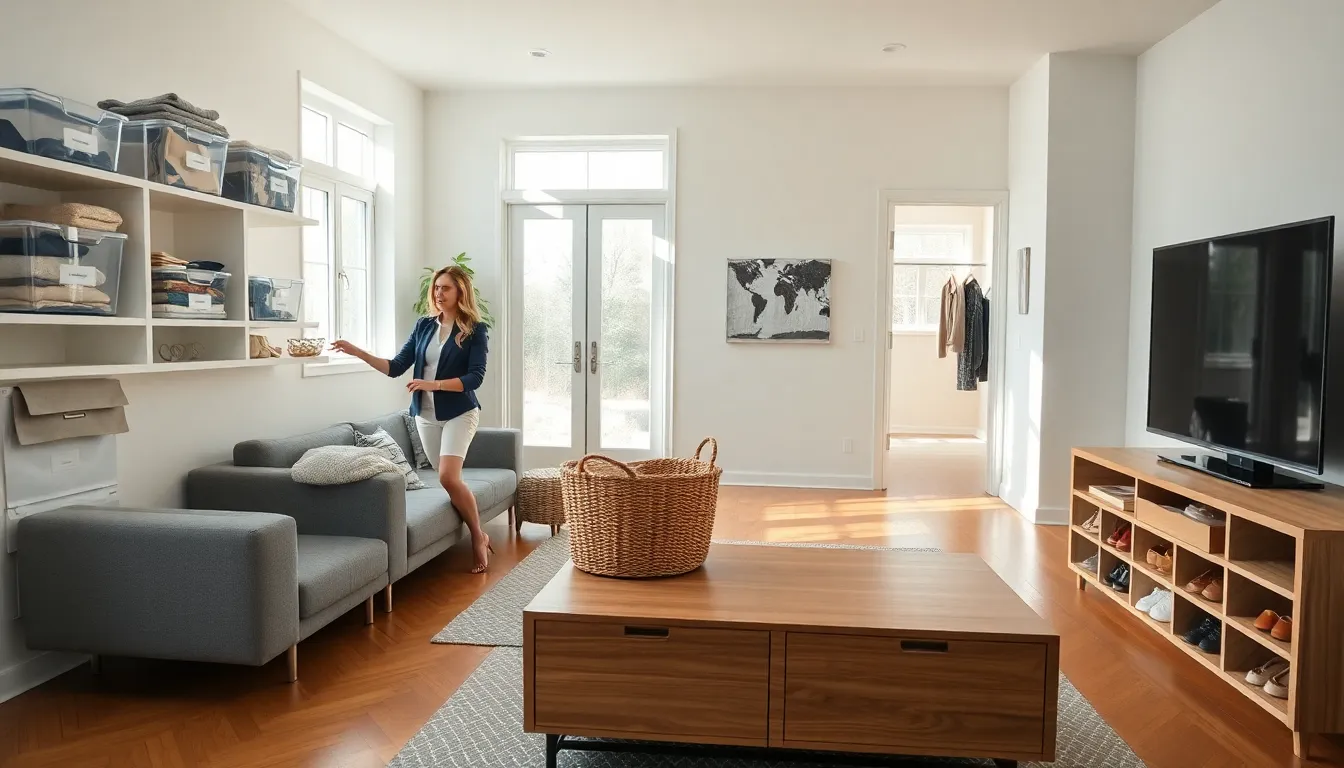

Clutter has a way of creeping into every corner. One day the kitchen counter is clear, and the next it’s buried under mail, keys, and random gadgets. Home organization techniques offer a practical path out of the chaos, and they don’t require a complete lifestyle overhaul.
The key is knowing where to start. Whether someone is dealing with overflowing closets, a garage that hasn’t seen a car in years, or a home office drowning in paperwork, the right approach makes all the difference. This guide breaks down proven home organization techniques that actually work, from room-by-room strategies to daily habits that keep spaces tidy for good.
Table of Contents
ToggleKey Takeaways
- Use the four-box method (Keep, Donate, Trash, Relocate) to make quick decluttering decisions room by room.
- Maximize storage by thinking vertical—floating shelves, pegboards, and over-the-door organizers free up valuable floor space.
- Apply the one-in-one-out rule to prevent clutter from accumulating after you organize.
- Establish a 10-15 minute nightly reset routine to maintain your home organization techniques long-term.
- Target common problem areas like entryways, junk drawers, and closet floors with designated storage solutions.
- Clear containers and labels ensure everyone in the household knows where items belong and can easily find them.
Start With a Room-by-Room Decluttering Plan
Trying to organize an entire home at once leads to burnout fast. A room-by-room approach keeps the process manageable and delivers visible results that build momentum.
The first step is picking one room to tackle. Many experts recommend starting with a high-traffic area like the living room or kitchen. These spaces see daily use, so improvements feel immediate and rewarding.
The Four-Box Method
One of the most effective home organization techniques is the four-box method. Grab four boxes or bins and label them: Keep, Donate, Trash, and Relocate. Every item in the room goes into one of these categories.
This method forces quick decisions. That bread maker from 2018 that’s never been used? Donate. The stack of old magazines? Trash. The screwdriver that belongs in the garage? Relocate.
Set a Timer
Decluttering sessions work best in short bursts. Setting a 30-minute timer prevents fatigue and keeps focus sharp. Even dedicating 20 minutes per day adds up to hours of progress each week.
Once one room is complete, move to the next. Bedrooms, bathrooms, and closets each present unique challenges, but the same principles apply: sort, decide, and act.
Maximize Storage With Smart Solutions
Decluttering only solves half the problem. Without proper storage, items quickly pile up again. Smart storage solutions turn unused space into functional organization zones.
Think Vertical
Floor space is limited, but walls are often underused. Floating shelves, pegboards, and over-the-door organizers add storage without taking up square footage. In kitchens, wall-mounted spice racks and hanging pot holders free up cabinet space.
Closets benefit from vertical thinking too. Double hanging rods instantly double clothing capacity. Shelf dividers keep stacks of sweaters from toppling over.
Use Clear Containers
Opaque bins hide contents, which leads to forgotten items and duplicate purchases. Clear containers solve this problem. They let people see exactly what’s inside at a glance.
Labeling takes home organization techniques to the next level. A label maker or simple masking tape ensures everyone in the household knows where things belong, and where to put them back.
Invest in Multi-Functional Furniture
Ottomans with hidden storage, bed frames with built-in drawers, and coffee tables with shelving do double duty. These pieces work especially well in small apartments or rooms where every inch counts.
The goal is giving every item a designated home. When everything has a place, maintaining order becomes second nature.
Establish Daily Habits for Long-Term Organization
Home organization techniques fail without consistent habits. A perfectly organized space can return to chaos within weeks if no maintenance systems exist.
The One-In-One-Out Rule
This simple principle prevents accumulation. For every new item that enters the home, one similar item leaves. Buy a new shirt? Donate an old one. Get a new kitchen gadget? Remove one that’s gathering dust.
The rule sounds strict, but it quickly becomes automatic. It forces mindful purchasing and keeps belongings at a manageable level.
Nightly Reset Routine
Spending 10-15 minutes each evening putting things back in their place prevents small messes from becoming big problems. This might include:
- Clearing the kitchen counters
- Putting away shoes and bags
- Sorting mail and tossing junk
- Returning stray items to their rooms
A nightly reset means waking up to a clean slate each morning. It’s one of the most impactful home organization techniques for busy households.
Weekly Touch-Ups
Once per week, spend 20-30 minutes doing a quick sweep of problem areas. Check the junk drawer, tidy the entryway, and assess any piles that have formed. Catching clutter early stops it from spreading.
Tackle Common Problem Areas in Your Home
Some spots attract clutter like magnets. These problem areas need targeted strategies.
The Entryway
Keys, shoes, jackets, bags, entryways collect everything that enters the home. A designated landing zone solves this. Hooks for coats, a tray for keys, and a shoe rack create instant order.
For families, assigning each person their own hook or bin prevents mix-ups and arguments.
The Junk Drawer
Every home has one. The trick isn’t eliminating the junk drawer but organizing it. Small dividers or trays keep batteries, tape, scissors, and pens separated. Toss anything broken, expired, or unidentifiable.
Revisit the junk drawer monthly. These home organization techniques prevent the drawer from becoming a black hole of forgotten items.
The Closet Floor
Shoes, bags, and random items pile up on closet floors. Shoe racks, bins, and baskets transform this dead space into organized storage. Hanging shoe organizers work well for small closets with limited floor room.
Kids’ Rooms
Children generate clutter at impressive rates. Low bins, labeled baskets, and picture labels (for younger kids) make cleanup easy. Regular toy purges, ideally before birthdays and holidays, keep collections from overwhelming the space.