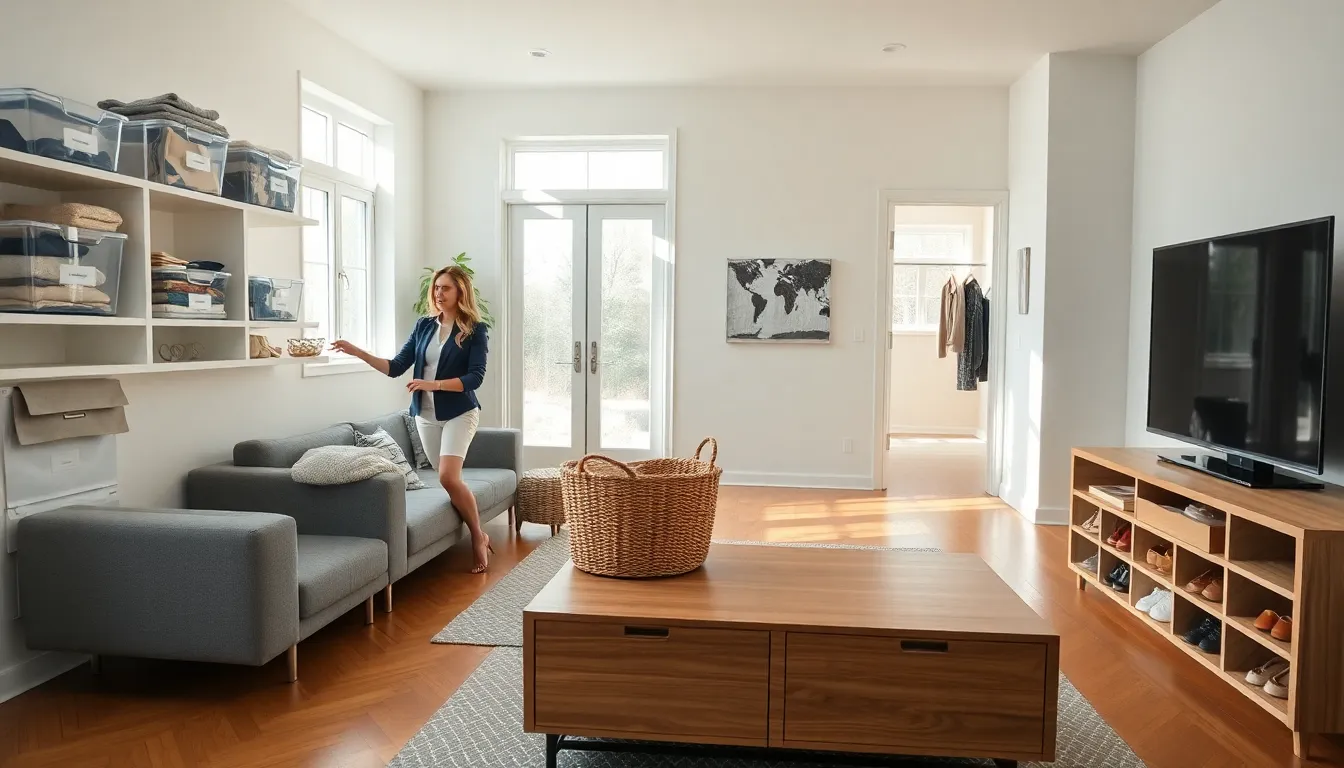

Home organization for beginners starts with one simple truth: clutter accumulates faster than anyone expects. Drawers fill up. Counters disappear under piles. Closets become danger zones. The good news? Getting organized doesn’t require a complete lifestyle overhaul or expensive systems. It requires a clear plan and consistent action. This guide breaks down the process into practical steps that anyone can follow. Whether someone is tackling a messy apartment or bringing order to a chaotic family home, these strategies deliver real results.
Table of Contents
ToggleKey Takeaways
- Home organization for beginners works best when you start small—tackle one drawer or shelf before attempting entire rooms.
- Always declutter before organizing; use the four-box method (keep, donate, trash, relocate) to reduce possessions by 25-40%.
- An organized home saves time, money, and stress—Americans spend 2.5 days per year searching for lost items.
- Match storage solutions to your specific needs: clear containers for pantries, velvet hangers for closets, and drawer organizers for bathrooms.
- Build lasting habits with daily 5-10 minute resets and the “one in, one out” rule to prevent clutter from returning.
- Get your entire household involved with simple systems and age-appropriate tasks to make home organization sustainable.
Why Home Organization Matters
A cluttered home creates stress. Studies show that visual clutter increases cortisol levels and reduces the brain’s ability to focus. People who live in organized spaces report better sleep, improved productivity, and lower anxiety.
Home organization also saves time. The average American spends 2.5 days per year looking for lost items. That’s time better spent on hobbies, family, or rest. An organized space means everything has a designated spot. Keys go in the same bowl. Important documents live in the same folder. This predictability eliminates daily frustrations.
Money savings follow organization too. People buy duplicates when they can’t find what they already own. They forget about food in the back of the pantry. They miss bill payments buried under paper stacks. Getting organized stops these costly habits.
For beginners, home organization offers an immediate sense of accomplishment. Clearing one countertop or organizing one drawer creates momentum. That momentum builds into lasting change.
Start Small With One Room or Area
The biggest mistake beginners make is trying to organize the entire house at once. This approach leads to burnout, half-finished projects, and discouragement. Instead, pick one room or even one small area to start.
Good starting points include:
- A single drawer (junk drawer, utensil drawer, sock drawer)
- One closet shelf
- The bathroom counter
- A nightstand
These small spaces take 15-30 minutes to complete. That quick win builds confidence and motivation for larger projects.
When choosing where to start, consider which area causes the most daily frustration. If mornings feel chaotic because clothes are everywhere, start with the bedroom closet. If cooking feels stressful, tackle one kitchen cabinet. Solving a real pain point makes home organization feel worthwhile rather than like a chore.
Set a timer for the first session. Twenty minutes works well for beginners. When the timer ends, stop. This prevents overwhelm and keeps the process manageable. Regular short sessions beat occasional marathon cleaning days.
Declutter Before You Organize
Organizing clutter is a waste of time. Before buying any bins or containers, remove items that don’t belong in the space, or in the home at all.
Use the four-box method for decluttering:
- Keep – Items used regularly and loved
- Donate – Good-condition items someone else could use
- Trash – Broken, expired, or worn-out items
- Relocate – Items that belong in a different room
Be honest during this process. If something hasn’t been used in a year, it probably won’t be used next year either. Sentimental items deserve consideration, but not everything needs to be kept. Take photos of meaningful objects before letting them go.
Home organization becomes much easier with fewer possessions. Less stuff means less to maintain, clean, and put away. Many beginners find they can eliminate 25-40% of items in any given space.
Don’t skip the donation or trash step. Bags sitting in the garage or car trunk don’t count as decluttered. Schedule a donation drop-off within 48 hours of sorting. This prevents items from creeping back into the home.
Essential Storage Solutions for Every Room
Once the decluttering phase ends, the right storage solutions make home organization sustainable. The key is matching containers to the specific items and space.
Kitchen
Clear containers work best for pantry items like flour, rice, and pasta. They show contents at a glance and stack efficiently. Drawer dividers keep utensils separated. Lazy Susans maximize corner cabinet space. Under-shelf baskets add storage without renovation.
Bedroom and Closet
Slim velvet hangers save closet space and prevent clothes from slipping. Shelf dividers keep folded items in neat stacks. Over-the-door organizers hold shoes, accessories, or scarves. Under-bed storage containers work well for seasonal items.
Bathroom
Drawer organizers separate makeup, medications, and toiletries. Shower caddies keep products off the tub edges. Cabinet risers double the usable shelf space. Medicine cabinets with adjustable shelving adapt to different-sized items.
General Tips
Label everything. Labels remove guesswork and help everyone in the household maintain the system. Measure spaces before purchasing containers, eyeballing leads to returns. Choose transparent or matching containers for a clean look.
Start with basic storage solutions before investing in expensive systems. Many beginners find that simple bins and boxes from dollar stores work perfectly well for home organization.
Building Habits to Stay Organized
Organization isn’t a one-time event. It’s a set of daily habits that maintain order over time.
The “one in, one out” rule prevents future clutter. Every time a new item enters the home, a similar item leaves. Buy a new shirt? Donate an old one. Receive a gift? Make room by releasing something else.
Daily resets take five to ten minutes and keep spaces from reverting to chaos. Before bed, do a quick walkthrough. Put items back where they belong. Wipe down counters. Handle mail immediately, trash junk, file important documents, pay bills online.
Weekly maintenance prevents small messes from becoming big problems. Pick one day to:
- Clear out the refrigerator
- Sort through incoming papers
- Return items that have migrated to wrong rooms
- Empty donation bags accumulating in closets
Home organization becomes automatic with repetition. After a few weeks, putting things away feels natural rather than effortful. The home stays cleaner with less thought and less work.
Get the whole household involved. Assign age-appropriate tasks to children. Create simple systems that everyone can follow. Shared responsibility makes organization sustainable long-term.