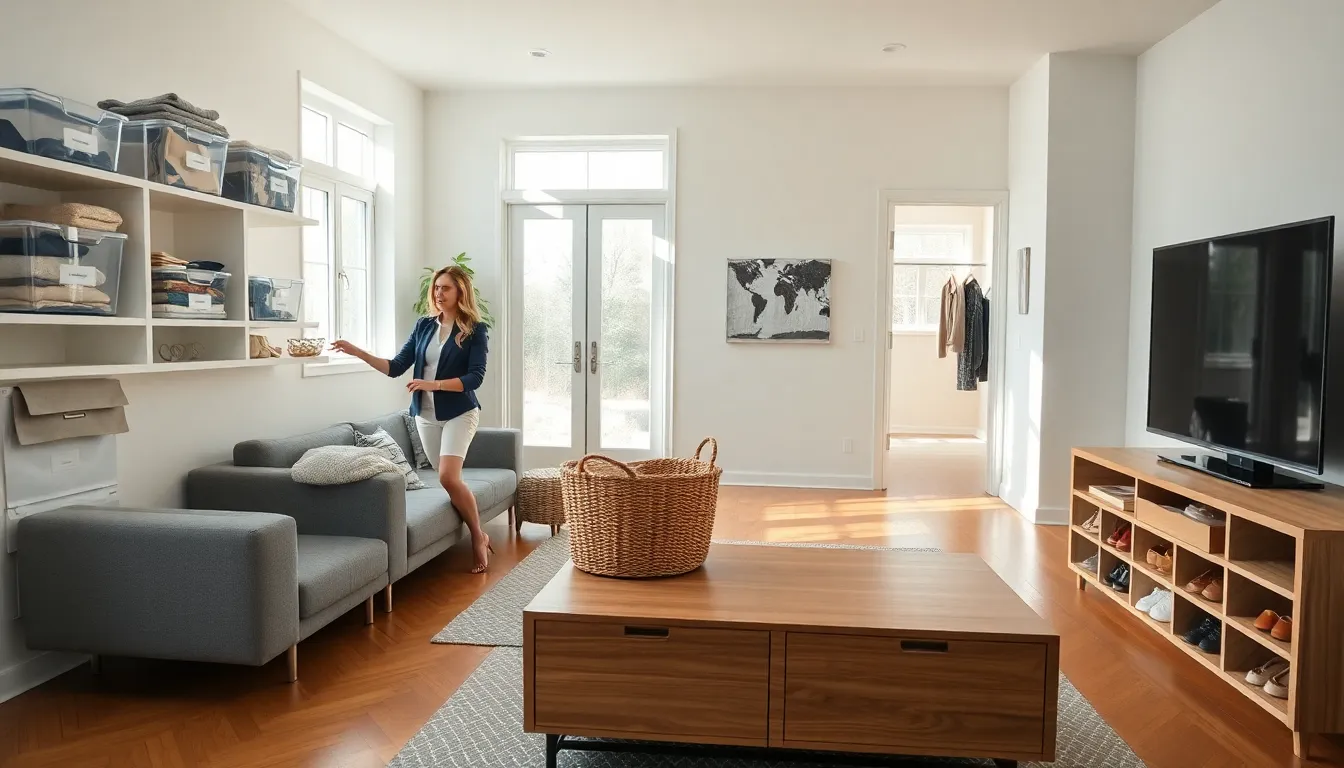
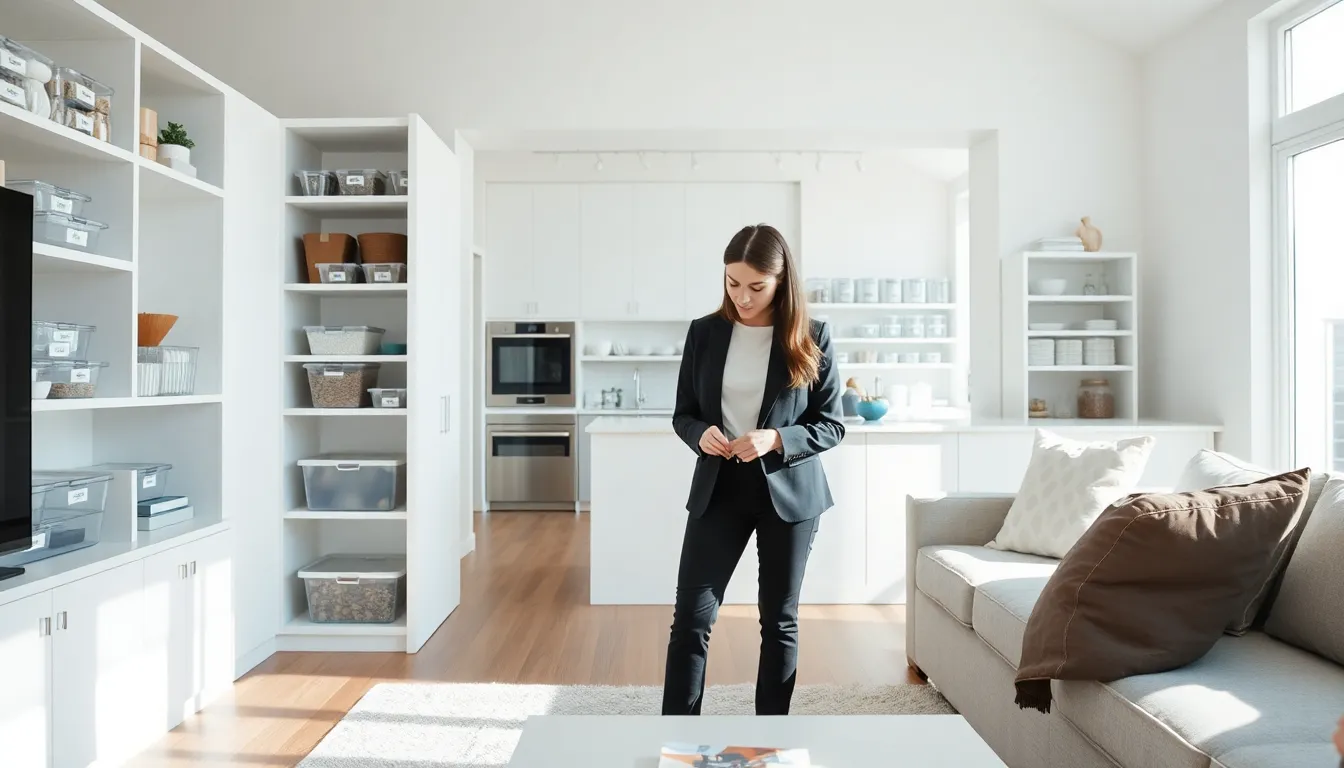
Home organization transforms chaotic living spaces into functional, stress-free environments. A cluttered home affects more than just appearances, it drains mental energy, wastes time, and creates daily frustration. The good news? Getting organized doesn’t require a complete lifestyle overhaul or expensive storage systems.
This guide breaks down practical home organization strategies that anyone can carry out. From quick decluttering methods to room-specific tips, these approaches help create lasting order without overwhelming effort.
Table of Contents
ToggleKey Takeaways
- Home organization reduces stress, saves time, and prevents unnecessary expenses from lost or duplicate items.
- Start decluttering with the four-box method (Keep, Donate, Trash, Relocate) and commit to small daily sessions rather than overwhelming weekend marathons.
- Use clear containers, vertical storage, and the “first in, first out” principle to maximize kitchen and pantry organization.
- Apply the “one in, one out” rule to prevent clutter from accumulating and maintain long-term home organization.
- Daily five-minute resets and weekly maintenance of problem areas keep your organized spaces functional without major cleanouts.
- Involve the entire household in organization systems to create sustainable habits that everyone can follow.
Why Home Organization Matters
Effective home organization delivers benefits that extend far beyond a tidy appearance. Research shows that cluttered spaces increase cortisol levels, contributing to chronic stress. People who describe their homes as “cluttered” or “disorganized” report higher rates of fatigue and depression.
Home organization also saves significant time. The average American spends 2.5 days per year searching for misplaced items. That’s time better spent on work, hobbies, or family. An organized home means knowing exactly where things belong.
Financial benefits matter too. Disorganized households often buy duplicate items because they can’t find what they already own. They also face late fees from lost bills and damaged belongings stored improperly. Good home organization prevents these unnecessary expenses.
Beyond the practical advantages, an organized space supports better decision-making. Visual clutter competes for attention, reducing the brain’s ability to focus. Clean, organized environments help people think more clearly and feel more in control of their daily lives.
Getting Started With Decluttering
Decluttering forms the foundation of any home organization project. Before buying storage containers or organizing products, reducing the total number of possessions makes everything easier.
Start with the “four-box method.” Label four boxes: Keep, Donate, Trash, and Relocate. Work through one area at a time, placing every item into a box. This system forces quick decisions and prevents the endless shuffling of stuff from one spot to another.
The “one-year rule” helps with tough choices. If an item hasn’t been used in twelve months, it probably won’t be used in the next twelve either. Exceptions exist for seasonal items, sentimental pieces, and emergency supplies, but most forgotten possessions simply take up space.
Avoid the temptation to declutter the entire house in one weekend. This approach leads to burnout and half-finished projects. Instead, commit to 15-30 minutes daily or tackle one drawer, shelf, or cabinet per session. Small, consistent efforts produce lasting results.
Don’t save decluttering for “someday.” Schedule donation pickups or drop-offs immediately after sorting. Bags of items sitting in the garage tend to migrate back into the house.
Room-by-Room Organization Tips
Different spaces present unique home organization challenges. These targeted strategies address the most common problem areas.
Kitchen and Pantry
Kitchens see heavy daily use, making organization essential. Start by grouping similar items together: baking supplies in one cabinet, breakfast items in another, everyday dishes within easy reach.
Clear containers transform pantry organization. They show contents at a glance, stack efficiently, and keep dry goods fresh longer. Label everything, even obvious items, to maintain the system over time.
The “first in, first out” principle prevents food waste. Place newer groceries behind older ones so nothing expires forgotten in the back of the pantry. Check expiration dates monthly and discard anything past its prime.
Vertical space often goes unused in kitchens. Shelf risers double cabinet capacity. Hooks on the inside of cabinet doors hold measuring cups or pot lids. A magnetic strip on the wall stores knives safely while freeing drawer space.
Closets and Bedrooms
Closet organization starts with honest evaluation. Most people wear 20% of their clothing 80% of the time. Items that don’t fit, haven’t been worn in years, or no longer match personal style deserve a new home.
Uniform hangers create visual calm and maximize space. Slim velvet hangers hold more items than bulky plastic ones and prevent garments from slipping to the floor.
Bedroom surfaces attract clutter quickly. A simple rule helps: the nightstand holds only current essentials, a lamp, phone charger, maybe a book. Everything else goes in a drawer or elsewhere.
Under-bed storage works well for seasonal items, extra bedding, or rarely used belongings. Flat containers with wheels make access easy without disrupting the room’s appearance.
Building Habits to Stay Organized
Home organization isn’t a one-time project. Lasting order requires habits that prevent clutter from accumulating again.
The “one in, one out” rule provides a simple framework. For every new item entering the home, one similar item leaves. This practice maintains equilibrium and prevents the slow creep of excess possessions.
Daily resets take just five to ten minutes but make a significant difference. Before bed, walk through main living areas and return items to their designated spots. This small routine prevents small messes from becoming overwhelming chaos.
Weekly maintenance keeps home organization on track. Pick one day for a quick review of problem areas, mail piles, kitchen counters, bathroom drawers. Catching clutter early requires less effort than major cleanouts.
Involve the whole household in organization systems. Assign zones, create clear expectations, and make storage solutions accessible for everyone. Children can maintain organized spaces when systems match their abilities.
Finally, accept that perfection isn’t the goal. Life happens. Some weeks the house will be messier than others. What matters is having systems in place that make recovery quick and straightforward.